NATO Hybrid Threats
US Ambassador Warns NATO Members Against Deliberate Russian Hybrid Warfare
Anonymous

Key Points
1
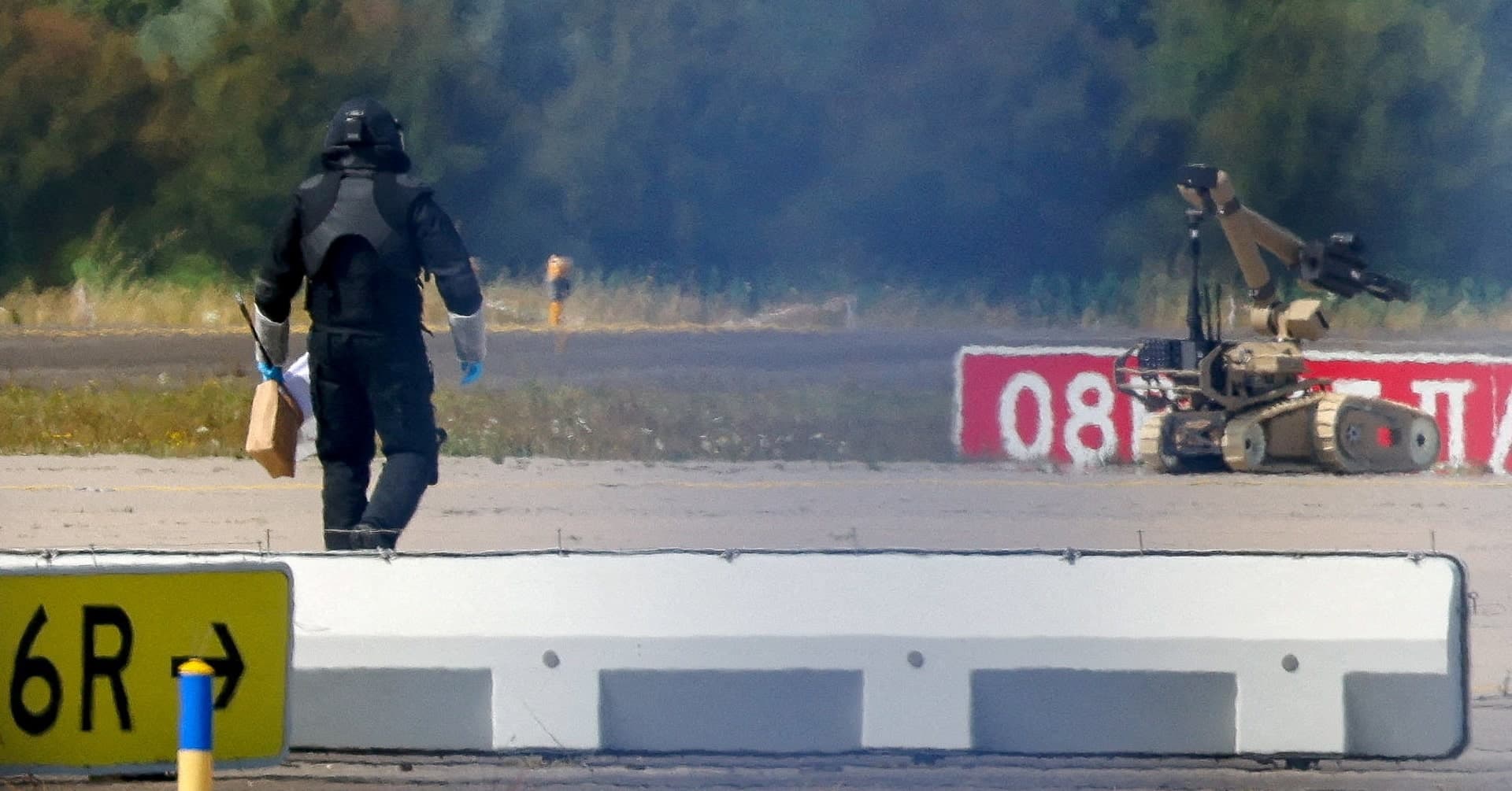
At the beginning of August, a drone equipped with a detonator was found near a Ukrainian Antonov aircraft at Leipzig/Halle Airport.
2
German authorities investigated the Leipzig airport incident as possible sabotage, while Germany’s interior minister described it as a hybrid attack.
3
U.S. intelligence determined that the drone found near the Ukrainian An-124 aircraft belonged to Russia, according to the report; Germany subsequently accused Russia of organizing the Aug. 5 attack and said it would tighten border controls for Russian citizens entering the country.
U.S. Ambassador to NATO Matthew Whitaker warned alliance members to reject hybrid attacks and promised American support for targeted nations. AvaPress reported that Whitaker specifically flagged an attempted drone strike at Germany's Leipzig/Halle Airport in August—blamed on Russia—as more worrisome than stray Russian drones accidentally entering NATO airspace while attacking Ukraine.
The incident at Leipzig involved a drone with a detonator found near a Ukrainian cargo aircraft. TRT World reported that Germany accused Russia of organizing the August 5 attack and said it would tighten border controls for Russian citizens entering the country.
The Leipzig Airport Incident Raises Alarm
In early August, German authorities discovered a drone equipped with a detonator near a Ukrainian Antonov cargo plane at Leipzig/Halle Airport. NTD reported that investigators treated the finding as possible sabotage. Germany's interior minister called it a deliberate hybrid attack—a mix of military and non-military tactics meant to destabilize the nation.
U.S. intelligence determined the drone belonged to Russia. TRT World noted that Berlin subsequently accused Moscow of organizing the strike and announced stricter border controls on Russian citizens, signaling Germany views this as an escalation requiring a direct response.
NATO Allies Must Stay Vigilant Against Sabotage
Whitaker emphasized that NATO members should identify those responsible for hybrid attacks and send a unified message. AvaPress reported that he warned critical infrastructure—energy facilities especially—could become targets. Each country would lead its own response, but the U.S. pledged backing for nations facing such incidents.
The U.S. envoy cited incidents in Poland alongside the German case, showing the threat is spreading across the alliance. TRT World reported that Whitaker stressed NATO must not tolerate deliberate hybrid-warfare actions, marking a sharp shift from accidental drone incursions that NATO has largely overlooked.
Distinguishing Sabotage From Accidental Violations
Whitaker drew a clear line between intentional attacks and Russian drones that stray into NATO airspace by accident while striking targets in Ukraine. The accidental violations have been routine but relatively low-risk. Deliberate hybrid attacks like the Leipzig incident, however, signal a new and more dangerous strategy aimed at weakening the alliance from within.
Sentiment
Mostly NegativeNEGATIVENEUTRALPOSITIVE
Publishers
13
Articles
99
Reach
112
A
AnonymousAuthor