Survivor Lawsuit Over Boat Injury
Survivor Greece Contestant Sues Producers For Over 100 Million Following Severe Boat Injury
Anonymous
Key Points
1
According to the lawsuit, fellow contestant Emmanouil Malliaros saw the approaching boat and shouted for Floros to move out of the way, but the vessel still struck both of his legs; the boat was carrying about 20 tourists.
2
The filing alleges that contestants’ phones were confiscated, leaving them unable to independently call for help or protect themselves during an emergency and placing a heightened duty on production to supervise and rescue them.
3
Floros’s lawsuit argues that spearfishing was not merely optional: contestants were given minimal rations and were required, incentivized and expected to fish or forage to supplement their food as part of the show’s core format.
4
The lawsuit says Floros was 22 years old and spent 61 days hospitalized in Miami, rather than simply describing the stay as approximately two months.
5
The lawsuit seeks both compensatory and punitive damages exceeding $100 million, including compensation for past and future pain and suffering, mental anguish and the loss of capacity to enjoy life.
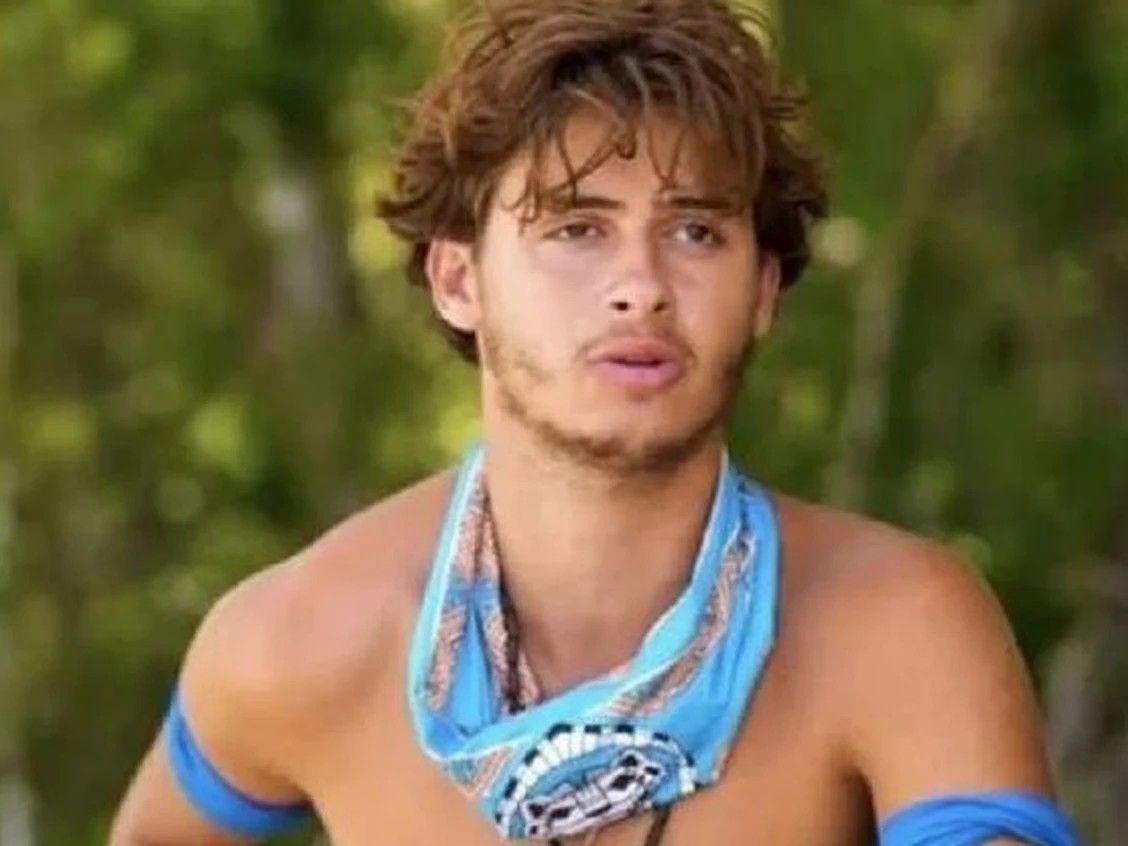
Stavros Floros, a 22-year-old contestant on Survivor Greece, is suing producer AcunMedya and broadcaster Skai TV for over $100 million after a May 2026 boating accident in the Dominican Republic left him with his left leg amputated above the knee and severe injuries to his right leg ABA Journal. Floros alleges that producers required contestants to spearfish for food in heavily trafficked tourist waters without safety boats, spotters, or protected zones — a practice he claims violated basic duty of care and directly led to his catastrophic injuries Calgary Sun.
How the Accident Occurred in Open Water
Floros was spearfishing for food when a tourist boat carrying about 20 passengers entered the area and struck him with its propeller UNILAD. Fellow contestant Emmanouil Malliaros saw the boat approaching and shouted for Floros to move, but the vessel still struck both of his legs ABA Journal. A passenger aboard the boat applied a tourniquet that helped save Floros's life.
Floros spent 61 days hospitalized in Miami undergoing multiple surgeries Toronto Sun. AcunMedya contends the incident occurred outside the show's competitive process while Floros was diving without a surface marker buoy. The broadcaster immediately suspended production while authorities investigated the circumstances.
Producers' Alleged Control Over Dangerous Activities
The lawsuit argues that spearfishing was not optional. Contestants received minimal rations and were required, incentivized, and expected to fish or forage to survive — a core part of the show's format Calgary Sun. This means producers directly encouraged contestants into the dangerous waters where the accident occurred, the lawsuit claims Edmonton Sun.
The filing also alleges that production confiscated contestants' phones, leaving them unable to independently call for help during emergencies ABA Journal. With phones removed and rescue capacity entirely dependent on producers, the lawsuit argues that the show bore heightened responsibility to supervise and protect contestants from foreseeable risks.
Lack of Safety Measures in Tourist-Heavy Waters
Floros alleges that production never established a marked exclusion zone, warning buoys, dedicated safety boats, or spotters to protect contestants fishing in the Dominican Republic's heavily trafficked waters ABA Journal. The lawsuit cites previous close calls and an earlier fatality, suggesting producers knew the risk but failed to implement basic protections.
The dispute hinges on a key question: whether responsibility extends beyond the boat operator to the show's producers. Because production controlled where contestants worked, what activities they performed, and their access to communications, the lawsuit argues producers designed and created the dangerous conditions that led to Floros's traumatic amputation Toronto Sun.
The $100 Million Claim for Pain and Lost Quality of Life
Floros seeks both compensatory and punitive damages exceeding $100 million Calgary Sun. The claim covers past and future pain and suffering, mental anguish, and the permanent loss of capacity to enjoy life following the amputation and extensive surgery. The case raises broader questions about reality-TV producers' duty of care toward contestants who accept unusual risks but cannot independently protect themselves.
Sentiment
Mostly NegativeNEGATIVENEUTRALPOSITIVE
Publishers
15
Articles
11
Reach
26
A
AnonymousAuthor


