Ramaphosa Inquiry Paused
Western Cape Court Pauses Ramaphosa Impeachment Proceedings Amid Phala Phala Review
Anonymous
Key Points
1
The interdict was issued by a three-judge full bench (André le Grange, Matthew Francis, Diane Davis) and bars the Impeachment Committee from proceeding until Ramaphosa's review of the independent panel report is heard in September.
2
The Constitutional Court ruled in May that Parliament acted irrationally when it voted not to adopt the panel's report and directed Parliament to institute an inquiry, providing constitutional context for the impeachment process.
3
A separate court challenge concerns the panel's conclusions about possible misconduct related to cash stolen from Ramaphosa's Phala Phala farm, specifically about $580,000 allegedly hidden in a sofa.
4
Opposition parties, including the EFF, ATM, MK, and UAT, argued the interdict application was a delaying tactic aimed at avoiding accountability.
5
The ruling involved three judgments, with the majority upholding a limited-duration interim interdict; the September hearing will determine the next steps in the impeachment process.
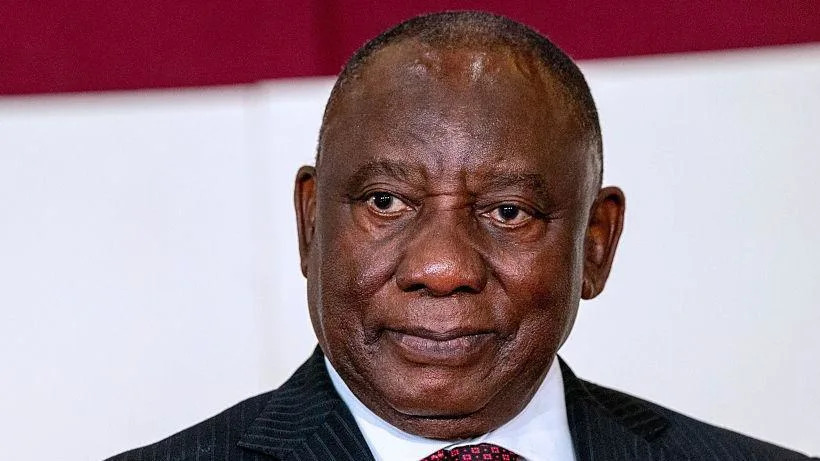
South Africa's President Cyril Ramaphosa has won a court order temporarily halting Parliament's impeachment inquiry against him over the 'Farmgate' scandal, according to BBC. The Western Cape High Court granted the interim interdict, pausing the Section 89 process while Ramaphosa's legal challenge to the independent panel's findings is heard in September.
The panel had concluded that Ramaphosa may have a case to answer over $580,000 in cash allegedly hidden in a sofa at his Phala Phala game farm. The ruling buys the president time — but does not clear him of any wrongdoing.
Three Judges Pause the Impeachment Committee's Work
A full bench of three judges — André le Grange, Matthew Francis, and Diane Davis — issued the interdict, Market Screener reported. The majority upheld a limited-duration interim order. It bars the Impeachment Committee from taking any further steps until September, when a full review hearing will decide what happens next.
Ramaphosa's lawyers argued it would be unjust to subject the president to a public trial based on a report that is still being legally challenged. The court agreed — for now. The interdict is temporary, not a final ruling on the merits of the case.
How the Farmgate Scandal Reached This Point
The scandal centres on $580,000 found hidden in furniture at Ramaphosa's Phala Phala farm. Critics say the money was concealed and that the incident was not reported to the proper authorities. An independent panel was set up to examine the allegations.
The Constitutional Court ruled in May that Parliament acted irrationally when it voted not to adopt the panel's report. The court ordered Parliament to launch a formal inquiry. That directive set the impeachment process in motion — and is now on hold pending the September hearing, according to Yahoo News.
Opposition Parties Call the Interdict a Delay Tactic
Four opposition parties — the EFF, ATM, MK, and UAT — fought the interdict in court. They argued Ramaphosa was using legal tools to dodge accountability, Market Screener reported. The parties say every delay protects the president while ordinary South Africans wait for answers.
The ANC, which controls Parliament, has backed Ramaphosa throughout the process. That political support has been key to his survival so far. But with a court review still ahead, the pressure on Ramaphosa is far from over.
September Hearing Will Shape the President's Political Future
The September court date is now the key moment to watch. Judges will hear Ramaphosa's full legal challenge to the independent panel's conclusions. If the review fails, the impeachment inquiry could restart quickly. If it succeeds, the process may stall further or collapse entirely.
For now, the ruling preserves Ramaphosa's position. It does not resolve the underlying allegations about the cash at Phala Phala. Market Screener noted that the interdict is a pause — not a final resolution — leaving South Africa's political uncertainty firmly in place.
Sentiment
Mostly NegativeNEGATIVENEUTRALPOSITIVE
Publishers
32
Articles
141
Reach
173
Topics
A
AnonymousAuthor


