German Business Sentiment
Germany's IFO Business Sentiment Improves for Third Month Despite Persistent Economic Headwinds
Anonymous
Key Points
1
July's IFO Current Assessment stood at 86.5, underscoring an ongoing contraction in Germany's economy based on around 9,000 surveyed firms; a reading below 100 signals contraction and this level is near the highs seen during the energy crisis of 2022–2023.
2
Key headwinds remain persistent: high energy costs, a downturn in manufacturing (especially automotive and chemicals), and weakening export orders from China and the United States, with the services sector cooling as well.
3
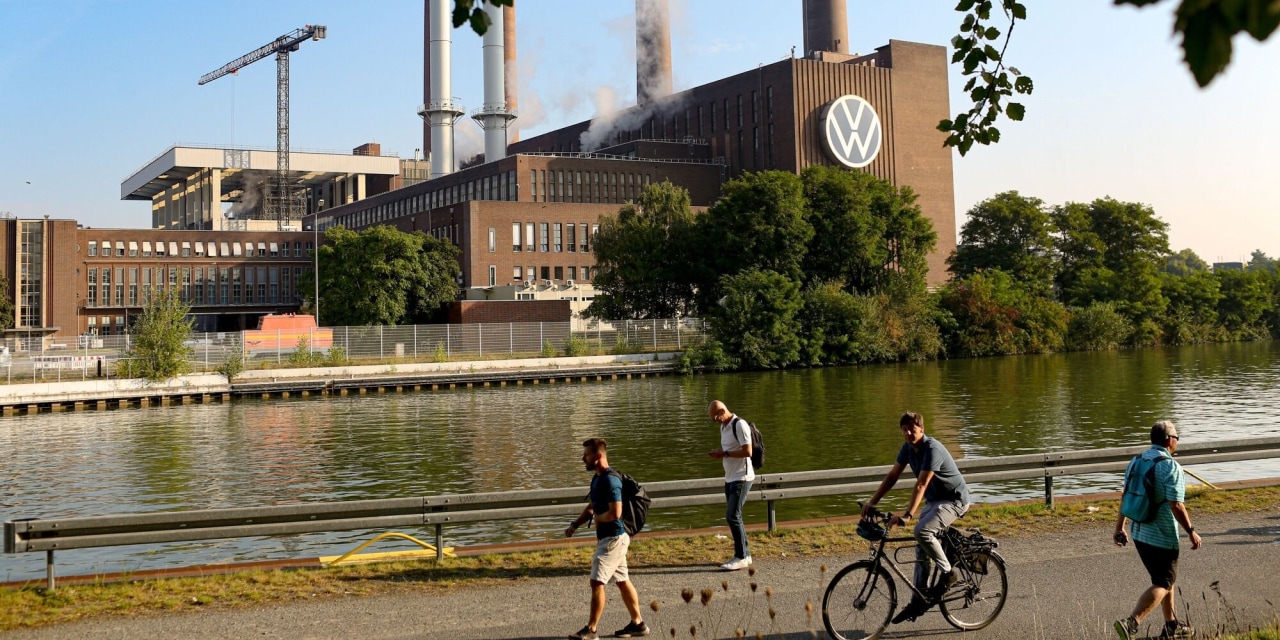
Weather-driven logistics risk is rising, as warm and dry summer conditions have pushed water levels on Germany's main transport waterways to record lows, potentially disrupting industrial supply chains and construction activity.
4
The euro reaction remains modest and there is no immediate euro impulse from the data; EUR/USD was around 1.1397, reflecting Germany's central role in the euro area and its influence on euro confidence.
5
DevDiscourse reports that the IFO business climate rose to 86.6 in July and that expectations climbed to 86.7 (from 84.3), beating forecasts and signaling improved sentiment despite ongoing current weakness.
German business sentiment rose for a third straight month in July, with the Ifo Business Climate index climbing to 86.6 from 85.7 in June, beating analyst forecasts, according to Yahoo Finance. The reading marks a quiet but steady recovery in confidence, even as Germany's economy stays under real pressure from high energy costs and weak demand.
The expectations component jumped sharply — from 84.3 to 86.7 — signaling that German firms are growing more hopeful about the months ahead, DevDiscourse reported. Still, the Current Assessment held at just 86.5, a level that signals the economy is still contracting.
Three Months of Rising Confidence But Still Contracting
The Ifo survey covers around 9,000 German businesses each month. A reading below 100 means contraction. July's 86.6 overall score is the highest in several months, but it still sits near levels last seen during the 2022–2023 energy crisis, according to The Wall Street Journal. Three straight monthly gains suggest a floor may be forming — but a full recovery has not arrived.
Business expectations led the improvement, rising to 86.7 in July from 84.3 in June. That gap between weak current conditions and improving expectations is a key signal. Firms believe things will get better. They are just not feeling it yet in day-to-day business.
Energy Costs and Weak Exports Keep Factories Under Pressure
Germany's manufacturing sector remains the soft spot. High energy costs continue to weigh on automotive and chemical producers. Export orders from China and the United States have slowed. These two sectors together make up a large share of Germany's industrial output, and both are struggling.
The services sector is cooling too, removing one of the economy's recent bright spots. Yahoo Finance noted that despite the headline beat, the underlying data still reflect an economy that is not growing. Analysts say affordable energy and stronger foreign demand are needed before a real rebound can take hold.
Dry Waterways Add a New Supply Chain Risk
A less-discussed threat is building quietly. Warm and dry summer conditions have pushed water levels on Germany's key inland rivers to near-record lows. Germany moves a large share of its industrial goods — including chemicals, coal, and steel — by river barge. Low water levels force barges to carry lighter loads, raising costs and slowing deliveries.
This logistics risk is especially sharp for factories already running lean. Construction activity could also face disruptions if building materials are delayed. The risk adds another layer of uncertainty on top of energy prices and trade headwinds heading into the second half of 2025.
Euro Holds Steady as ECB Watches Germany's Next Move
The euro showed little reaction to the Ifo data. EUR/USD was trading near 1.1397 after the release. Markets had already priced in a modest improvement, so the beat did not trigger a big move. Germany's economic performance carries heavy weight in euro area policy decisions because it is the bloc's largest economy.
The European Central Bank watches Ifo readings closely when setting interest rates. A sustained improvement in German sentiment could reduce pressure on the ECB to cut rates further. But with current conditions still well below 100, the data do not yet give the ECB reason to change course, according to The Wall Street Journal.
Sentiment
Mostly PositiveNEGATIVENEUTRALPOSITIVE
Publishers
21
Articles
137
Reach
158
A
AnonymousAuthor


