Clancy Jury Deliberations Continue
Judge Tells Lindsay Clancy Jury to Keep Deliberating After Reaching Impasse
Anonymous
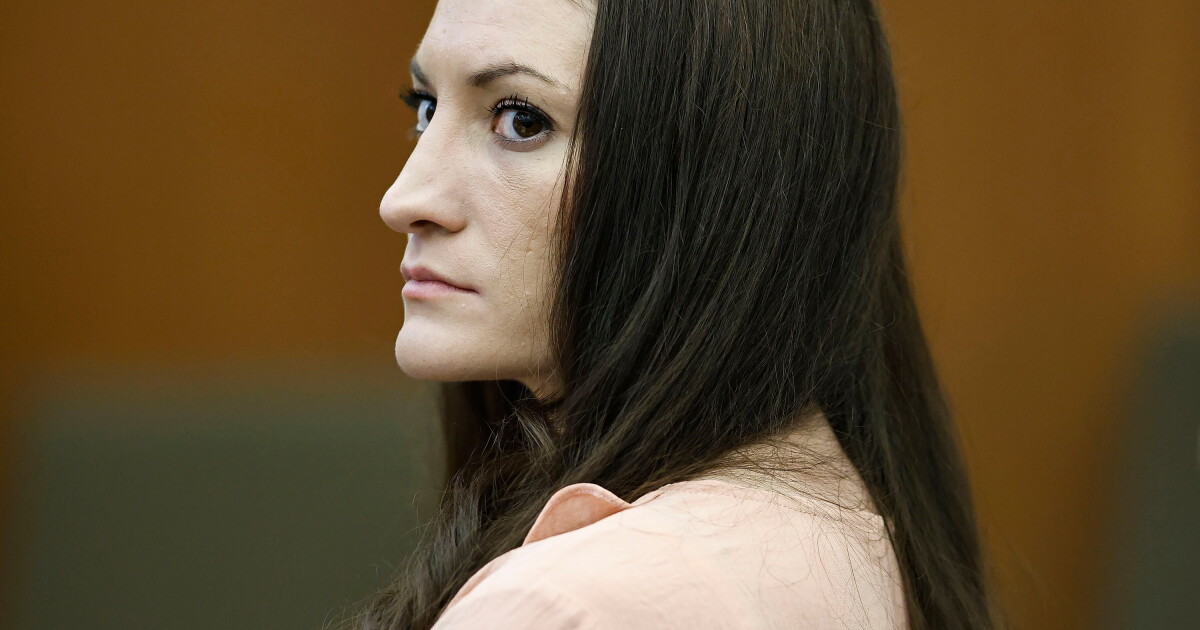
A jury in the Lindsay Clancy murder trial has hit a deadlock, signaling they cannot unanimously agree on whether the Massachusetts mother is guilty of killing her three young children in 2023. WDRB reported that the judge ordered jurors back to the deliberation room to continue their work. Clancy, a former labor and delivery nurse, denies all charges and claims postpartum psychosis drove her to commit the killings.
The case carries enormous stakes. KOAA noted that if convicted of murder or manslaughter, Clancy faces a potential life sentence. If acquitted, a judge could still order her confined to a mental health facility if doctors determine she poses a danger to the public.
Jury Signals Disagreement on Clancy's Guilt
This deadlock marks the first public sign that jurors cannot reach unanimous agreement on Clancy's fate. KTVQ reported the jury notified the judge of their inability to decide unanimously, prompting the judge to send them back to continue deliberating. Such an impasse is not uncommon in high-stakes cases involving complex legal and medical questions.
The jury's split decision raises questions about the strength of evidence on both sides. Some jurors may believe Clancy's mental health defense, while others may hold her criminally responsible despite her psychological state. The judge's instruction to keep deliberating is standard procedure called a "Allen charge" in many jurisdictions.
Postpartum Psychosis Defense Centers Clancy's Case
Clancy's legal team argues that postpartum psychosis—a severe mental illness that can occur after childbirth—explains her actions. 3newsnow indicated this psychiatric condition is central to her defense. If jurors believe she experienced psychosis, they may find her not guilty by reason of insanity rather than guilty of intentional murder.
Postpartum psychosis differs from postpartum depression or "baby blues." It involves hallucinations, delusions, and loss of touch with reality. The jury must weigh whether this condition prevented Clancy from knowing right from wrong at the time of the killings.
What Happens If Jurors Remain Divided
If the jury continues to deadlock after more deliberation, the judge may declare a mistrial. WKBW and other outlets reported that prosecutors would then face a choice: retry the case or accept a plea deal. A mistrial means no verdict is reached, and Clancy would remain in legal limbo pending the state's next move.
Meanwhile, Clancy's mental health remains a factor regardless of the verdict. Even if acquitted of criminal charges, civil commitment hearings could still confine her to a psychiatric facility. The outcome will depend on medical evaluations of whether she continues to pose a danger to herself or others.
Sentiment
NeutralNEGATIVENEUTRALPOSITIVE
Publishers
9
Articles
9
Reach
9
Topics
A
AnonymousAuthor


