New US Army Base
US and Poland Make Major Progress Toward Establishing Permanent Army Base
Anonymous
Key Points
1
If realized, the base would represent a shift from the current rotational U.S. military presence in Poland toward a more permanent American establishment in Eastern Europe.
2
Poland’s geographic and strategic importance is a central factor in the proposed base’s significance for the broader U.S.-Polish alliance.
3
Prediction-market pricing cited in one report indicated that the development could reduce the perceived likelihood of a Ukraine-Russia peace deal before 2027, though this reflects market expectations rather than a confirmed policy assessment.
4
The announcement was posted by President Donald Trump on Truth Social on Thursday, rather than being presented as a finalized agreement or formal Pentagon announcement.
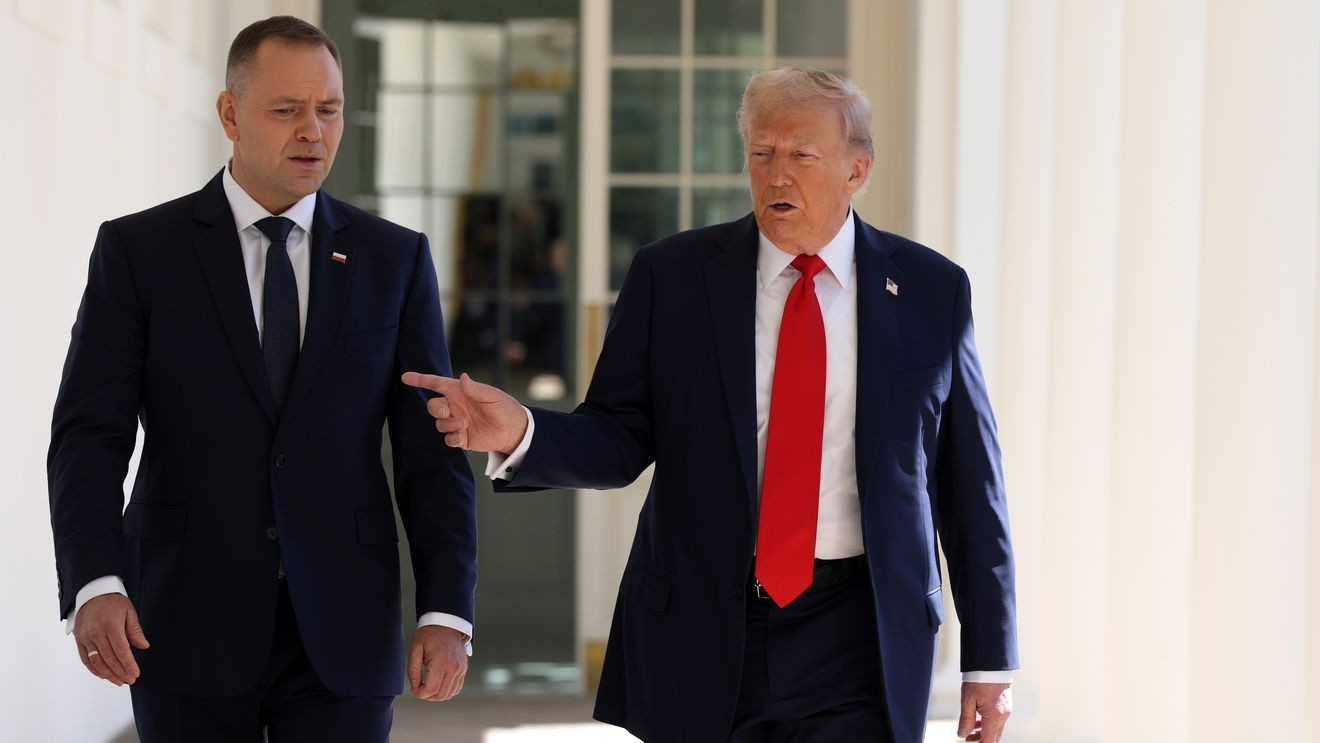
President Donald Trump announced Reuters that the United States and Poland are making "major progress" toward establishing a permanent U.S. Army base in Poland, with the location to be revealed "very soon." Trump credited Polish President Karol Nawrocki's leadership and called the move "a historic step for our Great U.S./Polish Alliance," marking a shift from rotational military deployments to a permanent American presence on NATO's eastern flank.
The proposed base would expand U.S. military power near Ukraine and Russia, addressing Poland's years-long push for stronger allied support amid Moscow's war. South China Morning Post reported that Polish Defense Minister Władysław Kosiniak-Kamysz formally presented the proposal to U.S. Defense Secretary Pete Hegseth in June 2026, followed by President Nawrocki's July visit to Washington to lobby for the permanent commitment.
Poland's Push for Permanent U.S. Protection
For over a decade, Poland has sought a permanent U.S. military base on its soil. Reuters noted that Polish leadership across multiple administrations pushed for the concept informally called "Fort Trump" during Trump's first term. Poland's urgency intensified after Russia's 2022 invasion of Ukraine. Sitting on NATO's eastern border with Ukraine, Belarus, and Russian-controlled Kaliningrad, Poland views permanent U.S. troops as the ultimate guard against Russian attack.
Poland demonstrates its security commitment through spending. South China Morning Post reported that Poland allocates roughly 5% of its gross domestic product to defense—the highest share of any NATO member state. President Nawrocki stated: "I stand and will continue to stand guard over the Polish-American alliance—a vital pillar of security for every Polish home and for all of Europe."
From Rotating Troops to Permanent Garrison
The announcement marks a major shift in U.S. military strategy in Europe. Currently, American forces rotate through Poland in temporary deployments. A permanent base would change that entirely, embedding U.S. troops long-term on NATO's frontier. Reuters confirmed that the U.S. authorized the deployment of an additional 5,000 American personnel to Poland in July 2026, laying groundwork for the permanent installation.
Polish officials now await formal Pentagon confirmation and details about the base location. South China Morning Post reported that the project is expected to involve major infrastructure investments co-funded by Warsaw. The base would represent the deepest military commitment between the two nations since Poland joined NATO in 1999.
Market Signals a Prolonged Europe-Russia Standoff
Financial prediction markets reacted sharply to the announcement. Following Trump's September 17 Truth Social post, traders signaled a decreased likelihood of a Russia-Ukraine peace deal before 2027. Market pricing reflected expectations of long-term militarization across Eastern Europe rather than near-term diplomatic resolution between Moscow and Kyiv.
Differing Signals From Washington and the Pentagon
Trump presented the base as nearly finalized, driven by his personal rapport with Nawrocki. However, Reuters indicated the Department of Defense maintains a broader formal review of all U.S. military deployments across Europe, avoiding premature public commitments. This gap between executive enthusiasm and Pentagon caution reflects different timelines for finalizing the deal. Polish Foreign Minister Radosław Sikorski warned that Russia's confrontation with Europe is becoming increasingly "kinetic," citing recent drone and missile incidents near NATO borders.
Sentiment
Mostly PositiveNEGATIVENEUTRALPOSITIVE
Publishers
47
Articles
377
Reach
424
A
AnonymousAuthor


