City Budget Approvals
Major Cities Approve New Budgets Amid Property Tax Hikes and Service Cuts
Anonymous
Key Points
1
San Antonio’s new tax rate will rise by two cents to slightly more than 56 cents per $100 of assessed value. The increase and nearly $40 million in cuts are intended to eliminate a projected $158 million deficit over the next two years.
2
San Antonio’s adopted budget will close the city’s former diversity, equity and inclusion office and eliminate nearly 100 staff positions, in addition to reducing nonprofit grants, overtime and senior nutrition services.
3
Dallas increased its budget from City Manager Kimberly Bizor Tolbert’s proposed $5.6 billion plan to $6 billion partly by drawing on reserve funds to preserve some services; the council also searched for savings in areas such as laundry, furniture and outside legal services.
4
Fort Worth’s $3.33 billion operating budget represents a 10.81% increase. The city restored the Alliance PetSmart Charities Adoption Center, employee positions needed to avoid service disruptions and 4%-to-4.5% performance-based pay increases scheduled for April 2027, at a combined cost of $4.09 million.
5
Fort Wayne’s gasoline contract covers 865,000 gallons at $3 per gallon through 31 Lassus locations, allowing emergency vehicles and other city vehicles to refuel closer to their work sites rather than traveling to the city’s Lafayette Street station. The city can carry unused gallons into the following year at a reduced price.
Major cities across Texas and beyond approved fiscal 2027 budgets this September, with most raising property taxes to close structural deficits caused by declining home values and slower sales-tax growth. Star-Telegram reported that San Antonio narrowly passed its first property-tax rate increase in more than 30 years, raising the average homesteaded homeowner's annual bill by about $35 while cutting nearly $40 million in spending. Dallas adopted a record $6 billion budget by a 10-5 vote, while Fort Worth approved a $4.35 billion package with a 5.26% tax-rate increase approved 7-4. Meanwhile, smaller communities like Arlington kept tax rates flat, and tribal councils including the Cherokee Nation approved administrative and land-trust measures.
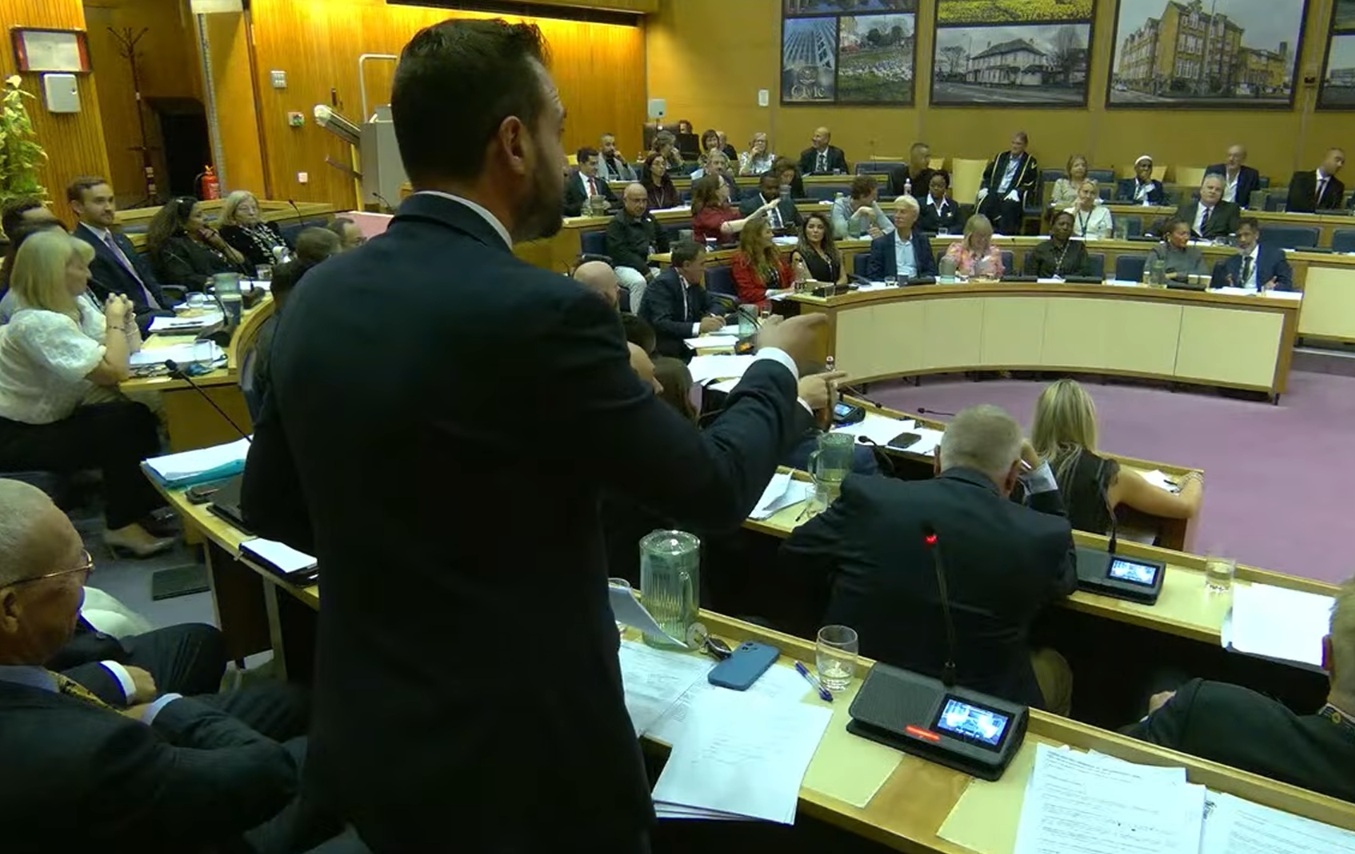
The budget season revealed sharp divisions over who bears the cost of municipal services. San Antonio's council split along socioeconomic lines, with conservative members pushing for across-the-board spending cuts while lower-income district representatives warned that cuts would devastate vulnerable populations. Dallas Mayor Eric Johnson criticized the council's lengthy deliberations as "political theater," while San Antonio Mayor Gina Ortiz Jones voted against the tax increase but acknowledged it was necessary to prevent deeper service cuts.
San Antonio Faces First Tax Hike in Three Decades
San Antonio's City Council voted 7-4 on September 17 to adopt a $4.4 billion budget and raise its property-tax rate by two cents to slightly more than 56 cents per $100 of assessed value. Star-Telegram reported the increase is intended to eliminate a projected $158 million deficit over two years. Despite the hike, the city is cutting nearly $40 million in spending, including nonprofit grants, employee overtime, and senior nutrition services.
The narrow vote exposed council divisions. Councilman Edward Mungia defended the increase, saying "The bottom will fall out of this city" without continued funding for vulnerable populations. But Mayor Gina Ortiz Jones voted no, stating she hoped the city would "capitalize on opportunities we left on the table." The budget also closes the city's Diversity, Equity, and Inclusion office and eliminates nearly 100 staff positions.
Dallas Pushes Record $6 Billion Budget With Reserve Drawdowns
Dallas City Council adopted a record $6 billion budget on September 16 by a 10-5 vote, exceeding City Manager Kimberly Bizor Tolbert's proposed $5.6 billion plan. The city drew on reserve funds to preserve some services while prioritizing police and fire services and increasing street maintenance funding. Council members also searched for savings in areas such as laundry, furniture, and outside legal services to offset the higher spending.
Mayor Eric Johnson criticized the budget process as "political theater," arguing council members were unwilling to make necessary spending reductions. Opposing council members resisted cuts to social safety nets and eviction-prevention programs. Despite approving a small paper tax-rate cut of 0.5 cents per $100 valuation, rising property valuations mean many Dallas residents will face higher overall tax bills.
Fort Worth Restores Services While Raising Tax Rate
Fort Worth City Council voted 7-4 on September 15 to approve a $4.35 billion fiscal 2027 budget with a 5.26% tax-rate increase. The city's $3.33 billion operating budget represents a 10.81% increase. Despite the rate hike, lower property valuations are expected to reduce the average residential tax bill by about $8 annually. The city restored $4.09 million in costs, including employee positions, 4% to 4.5% performance-based pay increases scheduled for April 2027, and the Alliance PetSmart Charities Adoption Center.
The increase reflects Fort Worth's effort to balance structural pressures with service restoration. Declining taxable values—down an average of $13,616 per residential property—offset the tax-rate hike's impact on typical homeowners. The council prioritized staffing to avoid service disruptions while maintaining core city functions across all departments.
Smaller Communities Navigate Tax Debates Amid Declining Values
Arlington adopted a $786.2 million fiscal 2027 operating budget while keeping its property-tax rate unchanged, avoiding a rate increase despite budget pressures. Liberty Hill approved a $138 million growth-focused budget and raised its tax rate, but declining median taxable values are projected to lower the typical household tax bill by about $6. Meanwhile, the Cherokee Nation Council approved placing nearly 54 acres into trust, limiting school-board holdover service to six months, and electing Joshua Sam as secretary while modifying the fiscal 2026 budget. Officials cited steady gaming performance and potential federal-contracting pressures.
The pattern across jurisdictions reveals how falling residential valuations create a paradox: communities that raise tax rates may still deliver lower actual tax bills to homeowners because the tax base has shrunk. Fort Wayne approved $2.5 million in gasoline contracts covering 865,000 gallons at $3 per gallon across 31 Lassus locations, allowing emergency vehicles to refuel closer to work sites rather than traveling to a central depot. The city also approved $340,000 in diesel fuel contracts.
Sentiment
Mostly NegativeNEGATIVENEUTRALPOSITIVE
Publishers
25
Articles
9
Reach
34
A
AnonymousAuthor


