EU-China Trade Talks
EU and China launch high-stakes trade talks in Beijing to address rising economic tensions.
Anonymous
Key Points
1
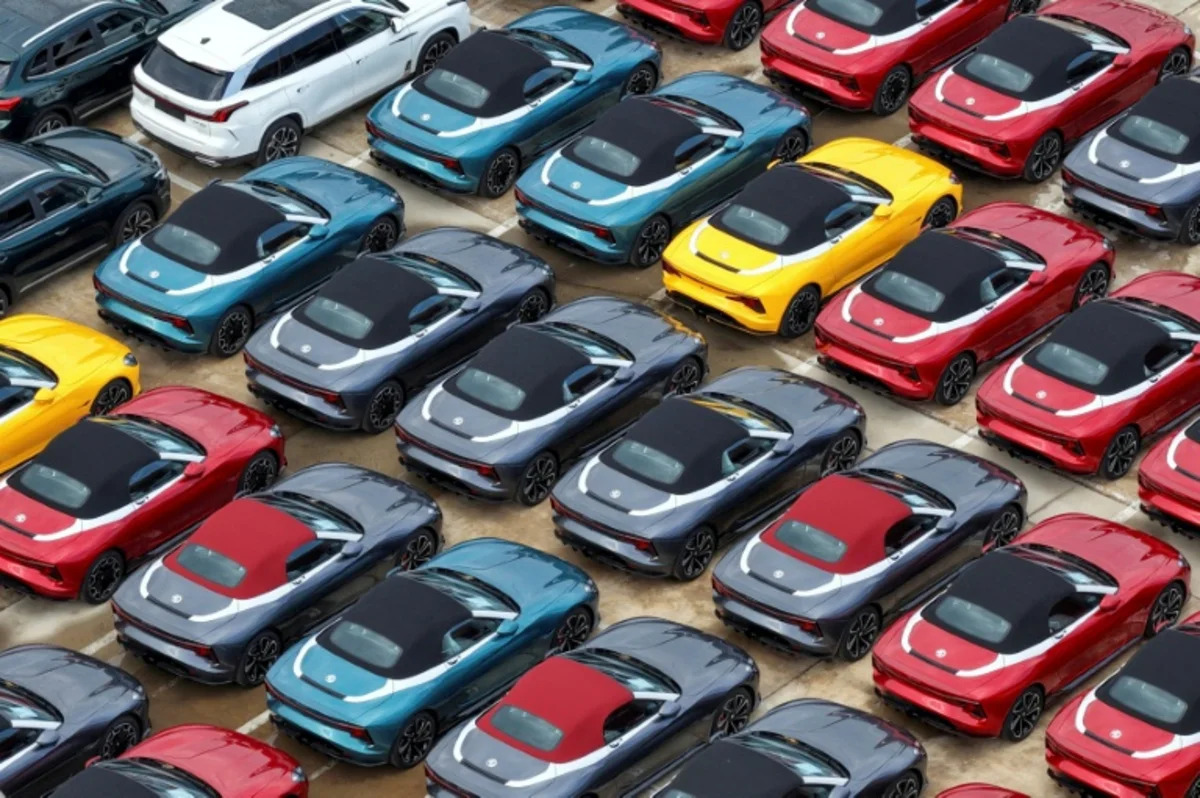
The EU’s 2024 tariffs on Chinese electric cars range from 7.8% to 35.3%, depending on the manufacturer, but do not cover hybrids. Chinese hybrid exports to the EU rose from 3,800 vehicles in October 2024 to about 50,000 in July 2026.
2
Following a June meeting in Brussels, the EU and China established working groups on the trade balance, export controls, intellectual property and WTO reform. China had also assured Šefčovič that existing rare-earth and permanent-magnet controls would not disrupt EU supply chains.
3
The European Commission is considering a diversification measure that would require companies in some sectors to have at least three suppliers across several countries, as well as a solidarity fund for firms affected by trade-war retaliation.
4
German companies have reportedly been stockpiling rare earths in case the talks fail and China imposes new export controls in response to the EU’s ‘Made in Europe’ plan.
EU Trade Commissioner Maroš Šefčovič is heading to Beijing for two days of talks with Chinese Commerce Minister Wang Wentao, aiming to defuse escalating trade tensions between the blocs. Forbes reports the October 8-9 meetings will focus on the EU's shrinking access to Chinese markets and China's surging exports to Europe, where the trade deficit hit €360 billion in 2025.
The talks represent a critical moment as both sides threaten retaliation. Yahoo Finance notes the discussions aim to prevent an outright trade war, though observers expect limited breakthroughs rather than a comprehensive deal.
Chinese Hybrids Flood EU Market Despite Tariffs
The EU slapped tariffs on Chinese electric cars ranging from 7.8% to 35.3% in 2024, but left hybrids unprotected. Chinese hybrid exports exploited this gap, surging from just 3,800 vehicles in October 2024 to roughly 50,000 by July 2026. Weekly Blitz highlights how this flood of vehicles exposes Brussels' widening trade deficit and industrial competitiveness concerns.
Working Groups Fall Short on Rare-Earth Guarantees
A June meeting in Brussels produced working groups focused on trade balance, export controls, intellectual property, and WTO reform. Kashmir Reader reports China pledged that existing rare-earth and permanent-magnet restrictions wouldn't disrupt EU supply chains. But German companies are stockpiling rare earths anyway, betting the Beijing talks will fail and trigger Chinese retaliation.
EU Preparing Backup Defenses as China Threatens Countermeasures
Brussels is designing protective measures in case diplomacy collapses. The European Commission is weighing a rule requiring companies in some sectors to source from at least three suppliers across multiple countries. A solidarity fund would compensate firms hit by Chinese retaliation. Forbes confirms these steps signal the EU's readiness for escalation if Beijing refuses meaningful concessions.
Sentiment
Mostly NegativeNEGATIVENEUTRALPOSITIVE
Publishers
14
Articles
45
Reach
59
A
AnonymousAuthor