Iran Sanctions Broaden
European Union Sanctions Iranian Judges and Cyber Leaders for Human Rights Abuses
Anonymous
Key Points
1
In addition to the five judges and Nima Salehi, the EU’s March 16, 2026 package sanctioned 16 individuals and 3 entities, including an IT company linked to deploying surveillance tools used during the January 2026 protests; the whole regime was renewed on March 30, 2026, extending the sanctions to April 13, 2027.
2
Nima Salehi, founder of the Ashiyane cyber group, is targeted in the sanctions; Ashiyane is described as cooperating closely with the EU-listed Cyber Police (FATA) and the Islamic Revolutionary Guard Corps, while the names of the five sanctioned judges were not disclosed.
3
The EU’s Iran sanctions tally has reached 269 individuals and 53 entities to date, reflecting the bloc’s broadening use of targeted measures against judiciary members and cyber-related actors.
4
The package underscores the cyber dimension of repression, with an IT company linked to deploying surveillance tools during protests illustrating how digital tools are integrated into Tehran’s crackdown.
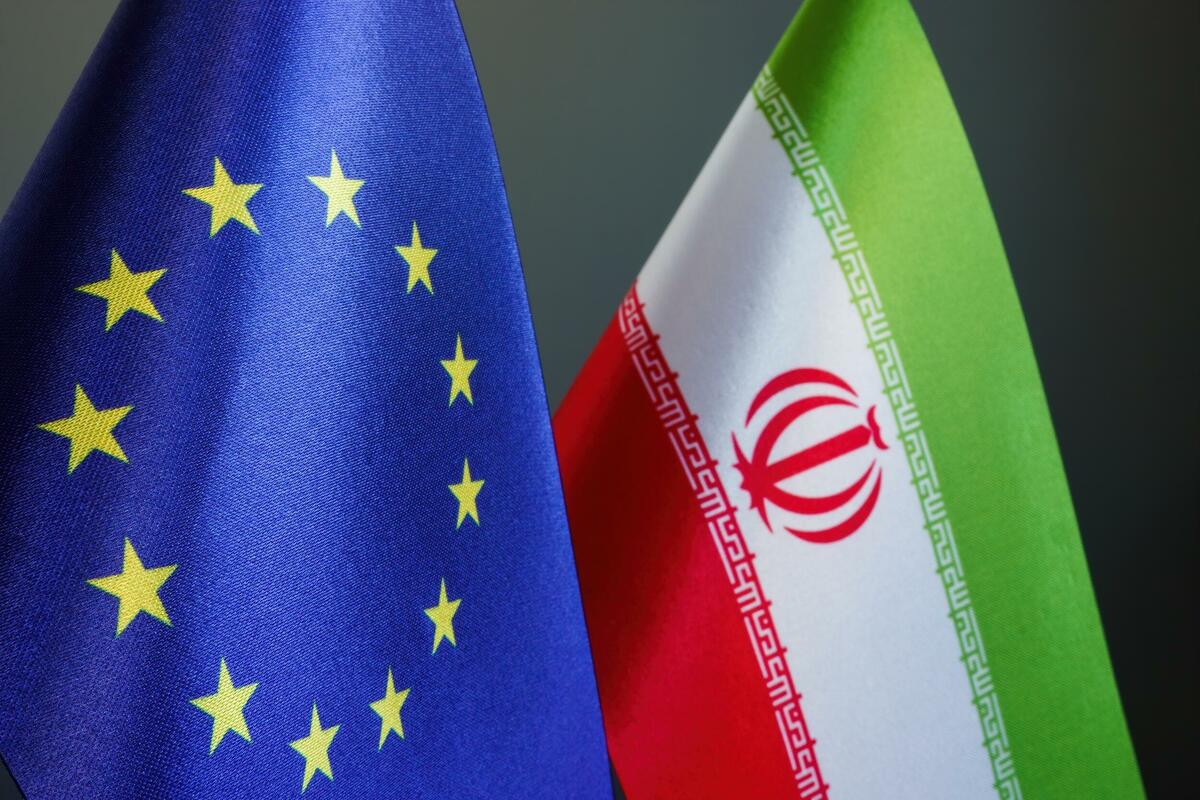
The European Union has sanctioned five Iranian judges and Nima Salehi, the founder of the Ashiyane cyber group, over serious human rights violations, according to IranWire and Times of Israel. The measures include asset freezes and travel bans targeting both judicial and digital enforcers of Tehran's crackdown.
EU top diplomat Kaja Kallas said the sanctions are meant to hold those responsible to account as Iran widens its domestic repression. The move brings the EU's total Iran sanctions tally to 269 individuals and 53 entities, per IranWire.
Judges and a Hacker Added to EU Blacklist
The five judges targeted sit on Iran's Revolutionary Courts, which handle cases tied to national security and religious offenses, according to Vijesti. Their names were not made public. Alongside them, Nima Salehi was listed for his role leading the Ashiyane cyber group, which the EU links to efforts to silence protesters online.
Ashiyane is described as working closely with Iran's Cyber Police, known as FATA, and the Islamic Revolutionary Guard Corps, per Crypto Briefing. Salehi's group represents the clearest sign yet that the EU is treating digital repression as seriously as physical abuse.
March 2026 Package Targets Surveillance Tools Used in Protests
The broader March 16, 2026 sanctions package covered 16 individuals and 3 entities, including an IT company tied to deploying surveillance tools during the January 2026 protests, according to Crypto Briefing. The full regime was renewed on March 30, 2026, extending all measures through April 13, 2027.
The package also includes export restrictions on equipment used for internal repression. This shows how digital tools have become central to Tehran's crackdown strategy, going far beyond riot police and prisons.
EU Iran Sanctions Have Grown Since Mahsa Amini's Death
The EU first imposed Iran sanctions in 2011. They grew sharply after the 2022 death of Mahsa Amini, a young woman who died in police custody after being arrested over her headscarf. Her death sparked mass protests and a brutal government response.
Since then, the EU has steadily widened its target list. The bloc now covers 269 individuals and 53 entities, per IranWire. Judges, security officials, and now cyber operatives are all in scope — a sign Europe plans to keep expanding its reach.
Kallas Calls Sanctions a Tool of Accountability
EU foreign policy chief Kaja Kallas said the measures are a direct response to Iran's widening repression at home, according to Times of Israel. She framed the sanctions not as symbolic gestures but as a real mechanism to hold specific people responsible.
Critics have long questioned whether targeted sanctions change behavior in closed regimes. But the EU's move to include a cyber group founder signals a shift — officials are now treating online censorship and surveillance as tools of repression, not just background noise.
Sentiment
Mostly NegativeNEGATIVENEUTRALPOSITIVE
Publishers
13
Articles
79
Reach
92
A
AnonymousAuthor


