India Semiconductor Push
India Launches Semiconductor Mission 2.0 to Expand Domestic Manufacturing and Research
Anonymous

Key Points
1
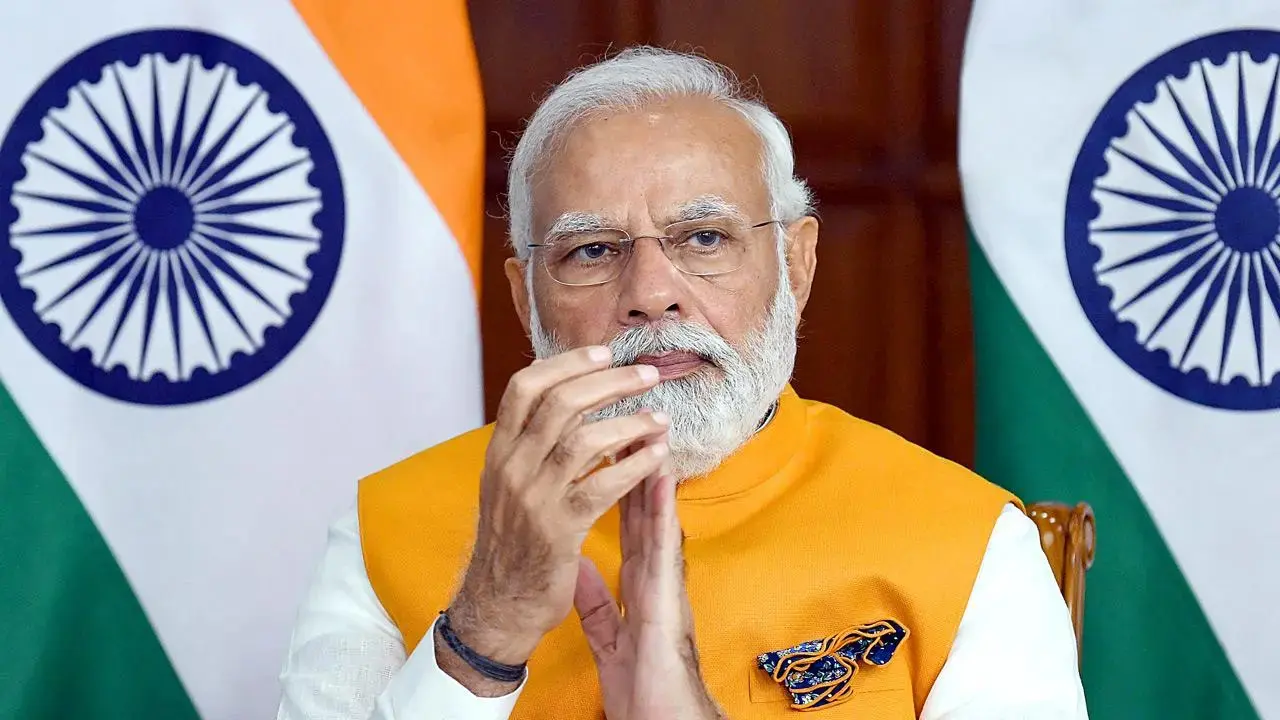
Prime Minister Narendra Modi referred to the government’s target of training one crore people in artificial intelligence and called for greater semiconductor-industry participation in building the skills needed for emerging technologies.
2
SEMI president and CEO Ajit Manocha said government-to-government partnerships could simplify taxation, regulation and other cross-border transactions, making it easier for international semiconductor companies to establish operations in India. He said such cooperation could help India serve as a bridge among the semiconductor ecosystems of the United States, Japan, Europe, Taiwan and South Korea.
3
Delhi’s draft policy proposes reversing the migration of semiconductor talent by encouraging professionals and alumni of IIT Delhi, IIIT Delhi, Delhi Technological University and Netaji Subhas University of Technology to return to the city.
4
The proposed Delhi policy includes specific environmental measures for semiconductor operations, including green-water infrastructure, zero-liquid-discharge requirements and electronic-waste recycling, alongside plans for testing and reliability centres.
India is doubling down on its semiconductor ambitions with a ₹1.27 lakh crore ($15 billion) expansion of its chip industry. Press Information Bureau reports that Prime Minister Narendra Modi met with global executives from Micron, Intel, AMD, ASML, and Foxconn on September 16, 2026, urging them to invest in local research, design, and talent development. Electronics production in India has surged sevenfold since 2014, jumping from ₹1.9 lakh crore to ₹13.11 lakh crore in 2025–26, yet pandemic supply shocks exposed the country's heavy reliance on imported chips.
Under India Semiconductor Mission 2.0, the government is shifting strategy away from massive wafer factories toward design, advanced packaging, testing, and specialty compound semiconductors. SEMI, the global chip-industry trade body, projects the worldwide semiconductor market will reach $2 trillion by 2030. However, SEMI Chief Ajit Manocha warned that India still imports over 90% of critical inputs like wafers and specialty gases, making local supply chains a major hurdle over the next three to five years.
Modi's Push Brings Micron, Intel, and Foxconn to the Table
On September 16, Prime Minister Modi hosted a CEO roundtable at Seva Teerth in New Delhi with top semiconductor leaders, pledging a "predictable and responsive policy environment." etvbharat.com reported that Micron CEO Sanjay Mehrotra said India's semiconductor push gave the industry "a solid foundation" and that the nation moved from "vision to execution." Modi urged companies to help train one crore (10 million) people in artificial intelligence and participate in emerging technologies like quantum computing.
Existing incentives—including subsidies covering up to 70% of facility capital costs—have already attracted projects like Micron's assembly and testing plant in Gujarat. newsable.asianetnews.com noted that global firms and academic institutions are showing strong interest in India's growing ecosystem, with companies eager to tap the domestic market and support supply-chain growth.
Delhi's Green-Focused Chip Policy Avoids Water-Hungry Mega-Fabs
Rather than pursue large, water-intensive wafer fabrication plants, Delhi's draft semiconductor policy focuses on design, research, testing, advanced packaging, and specialized compound semiconductors. The city aims to commercialize at least two locally designed chips annually and has set strict environmental rules: mandatory zero-liquid-discharge systems, green-water infrastructure, and electronic-waste recycling. These measures reflect India's push to build a sustainable chip hub aligned with climate goals.
To reverse brain drain, Delhi targets alumni from IIT Delhi, IIIT Delhi, Delhi Technological University, and Netaji Subhas University of Technology to return and contribute. The policy also establishes testing and reliability centers, positioning the city as a hub for advanced packaging and specialized materials—work that doesn't require the massive infrastructure and water consumption of full-scale wafer fabs.
Global Partnerships Critical as Import Dependence Remains Severe
India's semiconductor sector remains heavily dependent on imports. Over 90% of critical inputs—silicon wafers, specialty gases, manufacturing equipment, and finished chips—come from abroad. SEMI Chief Ajit Manocha called for stronger government-to-government partnerships with the U.S., Japan, Europe, Taiwan, and South Korea to simplify taxation, regulation, and cross-border transactions. Such cooperation could help India serve as a bridge among competing semiconductor ecosystems and unlock faster expansion.
Industry experts say India must develop local suppliers and strengthen its materials, equipment, logistics, and advanced-packaging infrastructure to become truly resilient. awazthevoice.in reported that global companies and academic institutions are increasingly engaged in India's chip ecosystem, signaling confidence in the long-term vision. But experts warn that execution will be harder than policy announcements—building manufacturing capabilities is expected to be a major challenge.
SEMICON 2026 Conference Kicks Off India's Next Growth Phase
Prime Minister Modi inaugurated the three-day SEMICON India 2026 conference on September 17 at Yashobhoomi in New Delhi, themed "Silicon to Systems: Building the Ecosystem." businessviewpointmagazine.com reported that over 600 companies and around 50,000 visitors from 52 countries are attending. The event showcases India's ambitions to compete globally and attract long-term commitments from chip design, research, and manufacturing leaders.
Sentiment
Mostly PositiveNEGATIVENEUTRALPOSITIVE
Publishers
126
Articles
117
Reach
243
A
AnonymousAuthor