Iranian Education Protests
Iranian students protest controversial exam rule across 20 provinces, leading to arrests and intimidation
Anonymous

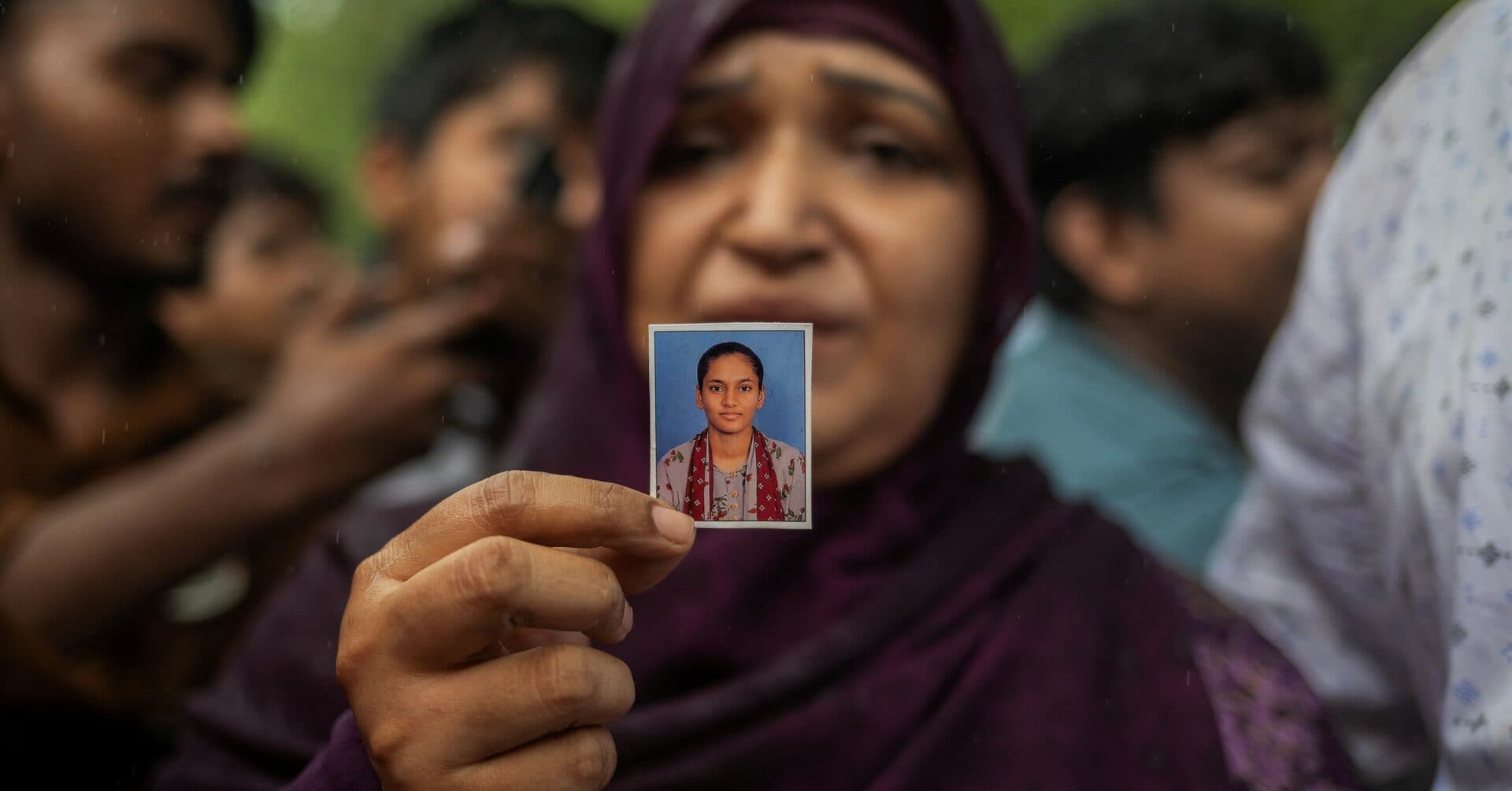
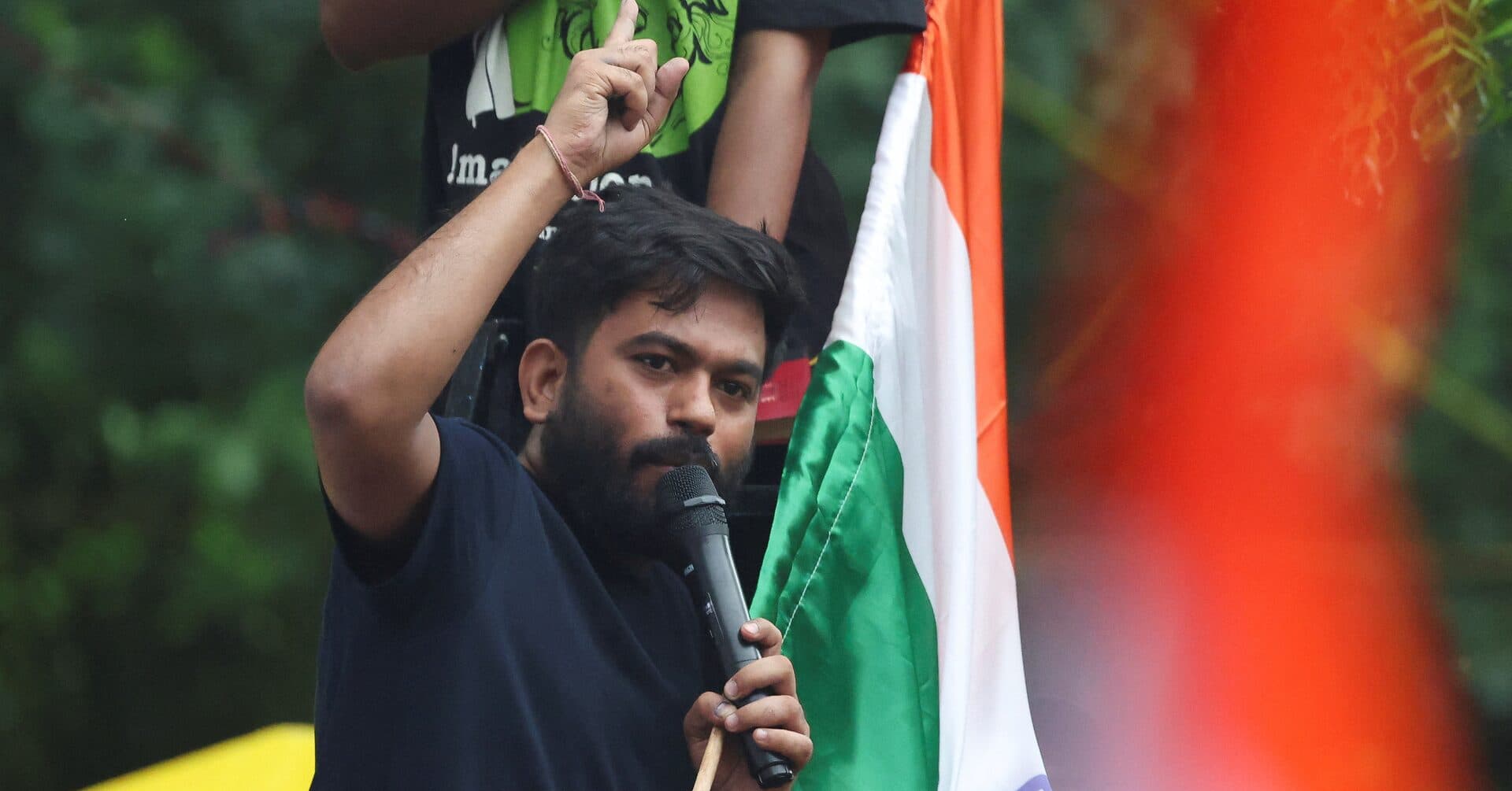
Iranian high school students have staged mass protests across around 20 provinces since late May, with demonstrations reported in cities including Tehran, Isfahan, and Qom. Opposition-aligned reporting says the unrest is driven by anger over changes to exam scheduling and rules that students fear will harm university admission prospects, with some rallies turning violent and leading to injuries and arrests. Protest videos described crowds gathering outside government buildings and chanting for justice and education. Other coverage and statements from the Iranian opposition characterize the demonstrations as broader rejection of perceived discrimination in the education system, including policies they say disadvantage lower-income students. The protests reportedly expanded to dozens of cities and featured sit-ins targeting education-related authorities, while security forces responded with heavy intimidation and detentions.
Key Points
1
Iran International’s report said the unrest did not appear linked to the anti-regime protests that erupted in January, and described the demonstrations as the first sign of dissent since Iran began lifting its months-long internet shutdown at the end of the previous month.
2
One report said the protests were driven by a specific exam rule: a controversial law making high-school grade point averages mandatory at 60% of the score for Iran’s highly competitive national university entrance exam.
3
According to EuropeSays, in Mashhad officials led protesting students inside a department of education compound and then locked the exit doors behind them; special forces then demanded national identification cards and blocked attempts to film the incident, with several students arrested.
4
EuropeSays also reported that in Qom security forces separated male and female students and threatened them—saying they would be “stuffed into gunny sacks” if they did not disperse.
5
A statement from NCRI said students were protesting discrimination in the education system under the Supreme Council of the Cultural Revolution, naming Supreme Council secretary Abdul-Hossein Khosropanah and stating that he was blacklisted by the EU, the UK, and the US in 2023 for “gross human rights violations.”
Sentiment
Mostly NegativeNEGATIVENEUTRALPOSITIVE
Publishers
11
Articles
6
Reach
17
A
AnonymousAuthor