McKee Murder Acquittals
Belfast Court Clears Three Men of Journalist Lyra McKee's 2019 Murder
Anonymous
Key Points
1
The case was heard in Belfast Crown Court as a non-jury trial.
2
The defence argued that much of the prosecution's case rested on 'pure speculation'.
3
In February, Justice Patricia Smyth rejected a defence application that there was no case to answer.
4
The defence claimed police investigators 'strayed outside of their duties,' with lines crossed and expert witnesses compromised.
5
A police witness described McKee being taken to hospital in a police Land Rover after a five-minute journey through burning vehicles, during which CPR was performed.
Three men accused of murdering journalist Lyra McKee have been found not guilty by a Belfast Crown Court judge. Paul McIntyre, Peter Cavanagh, and Jordan Gareth Devine were cleared of all charges, more than six years after McKee was shot dead during rioting in Londonderry in April 2019. Mirror reported all three faced a joint enterprise murder charge, meaning prosecutors argued they helped a lone gunman carry out the killing.
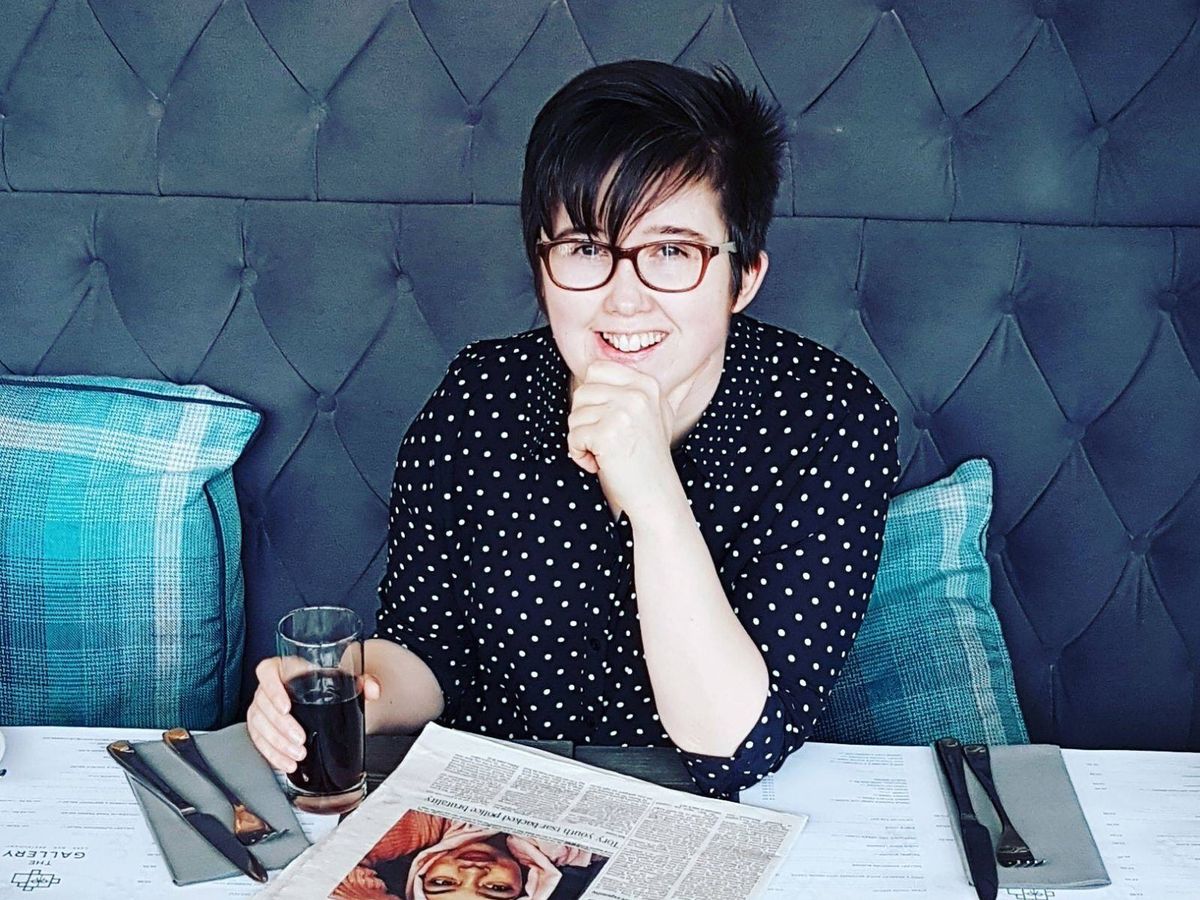
McKee was 29 years old when she was shot. She had been observing unrest in the Creggan area of Londonderry when she was struck by a bullet. A police officer drove her to hospital in a Land Rover through burning vehicles, performing CPR along the way — but she did not survive. The New IRA, a dissident republican group, later claimed responsibility for her death, according to The Desk.
A Two-Year Trial Built on Circumstantial Evidence
The case was heard without a jury — a special arrangement used in Northern Ireland for serious paramilitary-linked crimes. Prosecutors argued the three men accompanied the gunman to the firing point and supported him. But the defence pushed back hard, calling much of the case "pure speculation." Justice Patricia Smyth had rejected a defence bid to throw out the case in February, ruling there was enough to proceed to a full verdict.
In the end, the judge found the prosecution had not proven its case beyond reasonable doubt. Head Topics reported the verdicts sparked immediate criticism. McKee's family and supporters expressed deep frustration at the outcome, calling it a failure of justice for a woman whose death drew widespread grief across Ireland and the UK.
Defence Accused Police of Crossing Investigative Lines
The defence did not just challenge the evidence — they attacked how it was gathered. Defence lawyers argued that some police investigators "strayed outside of their duties" and that lines had been crossed. They also claimed expert witnesses had been compromised during the investigation, raising questions about the integrity of key parts of the prosecution's case.
These allegations added a layer of controversy to an already difficult case. The Desk noted the verdict leaves no one convicted for McKee's murder, despite the New IRA's public admission of responsibility. Under the law, an organisation claiming responsibility does not automatically lead to criminal convictions for individuals.
The Night Lyra McKee Was Shot Dead
McKee was killed on April 18, 2019, during serious disorder in the Creggan area of Londonderry, also known as Derry. Rioters threw petrol bombs at police and set a car on fire. A gunman opened fire during the chaos. McKee, who was standing near police lines observing the scene, was struck by a bullet. She was not a target — she was covering the events as a journalist.
A police officer loaded McKee into a Land Rover and rushed her toward the hospital. The five-minute journey passed through burning vehicles while another officer performed CPR. She was pronounced dead at the hospital. The New IRA issued a statement saying its members had fired the shot, calling it an "accident," according to Head Topics.
No One Convicted Six Years After Journalist's Killing
With these three acquittals, no one has been convicted for Lyra McKee's murder. The New IRA's claim of responsibility has never translated into a courtroom conviction. McKee was a rising journalist known for her work on LGBTQ+ issues and post-conflict Northern Ireland. Her death prompted soul-searching across the political and security establishment.
Mirror noted the case drew attention to the ongoing challenge of prosecuting paramilitary-linked crimes in Northern Ireland, where witness intimidation and a lack of forensic evidence remain persistent obstacles. The verdicts close this chapter of the legal case, but McKee's murder remains, in practice, unsolved in the eyes of the law.
Sentiment
Mostly NegativeNEGATIVENEUTRALPOSITIVE
Publishers
14
Articles
116
Reach
130
A
AnonymousAuthor


