Remembering Gloria Steinem
Feminist Icon and Trailblazing Journalist Gloria Steinem Passes Away at Age 92
Anonymous
Key Points
1
Elizabeth Renzetti’s discussion of Steinem emphasizes that she used journalism to champion labor and workers’ rights while rejecting the idea that journalism must be completely nonpartisan or detached.
2
Steinem’s early life included caring for her mother, who experienced mental illness; because of those responsibilities, she did not complete a full year of school until sixth grade before later graduating Phi Beta Kappa from Smith College.
3
Steinem co-founded Ms. magazine in 1971 with Dorothy Pitman Hughes and worked alongside activists including Bella Abzug, Fannie Lou Hamer and Eleanor Holmes Norton, illustrating the breadth of her organizing alliances.
4
Steinem extended her commitment to face-to-face activism into her private life, often turning her Upper East Side apartment into a feminist salon; she said that being together in a room engages “all five senses” in a way that print and screens cannot.
5
A religiously conservative critic specifically attributes Steinem’s childlessness and career choices to an abortion at age 22, arguing that second-wave feminism and the sexual revolution undermined Christian society and contributed to social and sexual harms; the column also links a local National Organization for Women chapter to the later creation of a rape-victim support service.
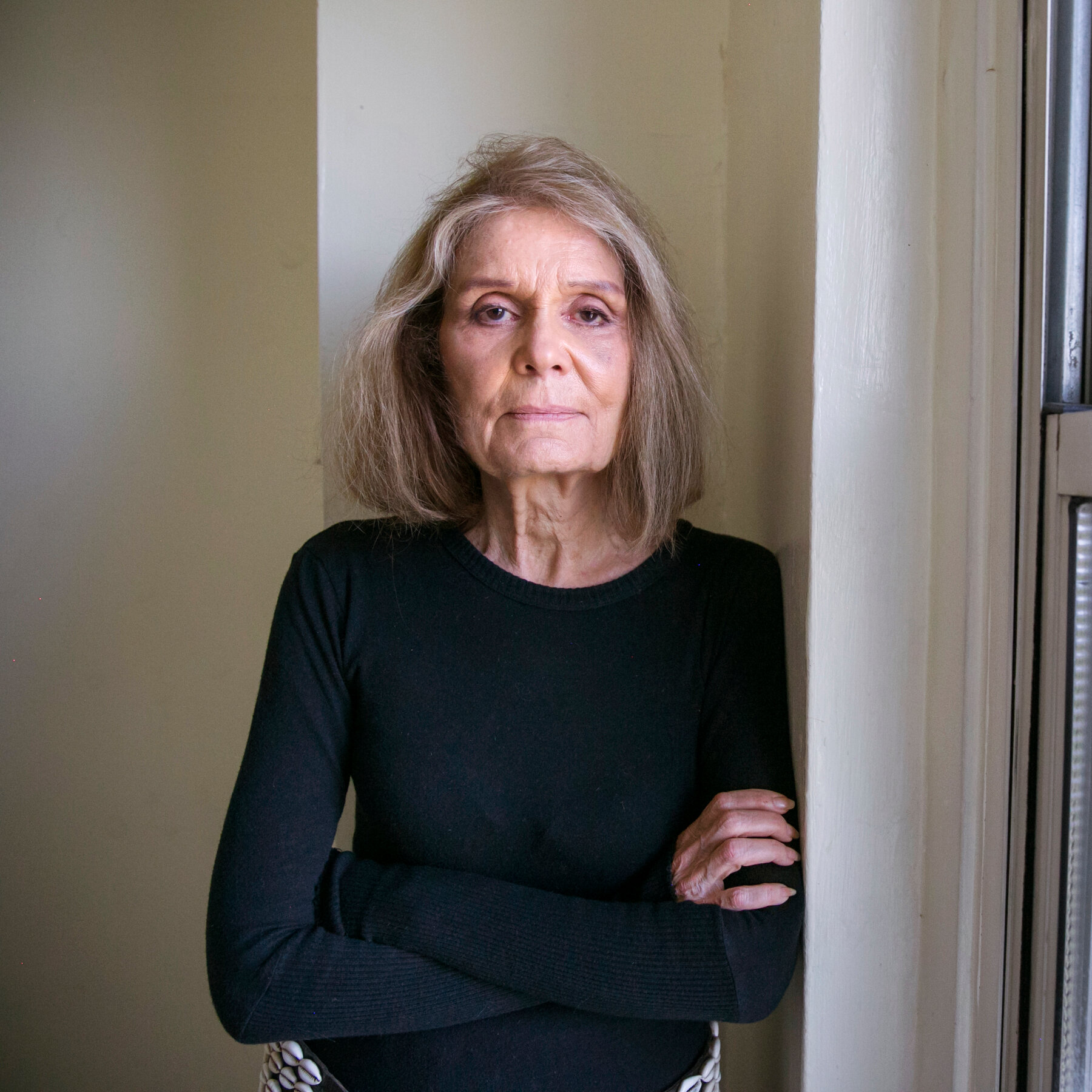
Gloria Steinem, the feminist pioneer who transformed journalism into a weapon for women's rights and built a global movement for gender equality, died at 92. Michigan News reported that her work paved the way for women in business and activism across diverse backgrounds. Her death has prompted worldwide tributes from human rights lawyers, activists and journalists who credit her with reshaping how women see themselves and their place in society.
Steinem's legacy rests on decades of work: exposing labor abuse at Playboy Clubs, co-founding Ms. magazine in 1971, and organizing campaigns for reproductive rights, workplace equality and protection from domestic violence. Arkansas Online noted that she began her career when abortion was illegal and fought to expand women's economic independence. Her approach—combining investigative journalism with face-to-face activism—shaped second-wave feminism and created lasting networks connecting women across racial and social lines.
From Playboy Exposé to Ms. Magazine
Steinem's early journalism revealed hidden truths about women's lives. She worked undercover at Playboy Clubs to expose working conditions and the way women were treated as objects. This investigative work shaped her belief that journalism could champion workers' rights and women's dignity—not by pretending to be neutral, but by choosing which stories matter. Jennifer Renzetti emphasized that Steinem rejected the idea that journalists must stay detached from the causes they cover.
In 1971, Steinem co-founded Ms. magazine with Dorothy Pitham Hughes, creating a platform that spoke directly to women's experiences. The magazine became a hub for feminist organizing and connected activists including Bella Abzug, Fannie Lou Hamer and Eleanor Holmes Norton. Ms. proved feminism could build intersectional networks—uniting women across different races, classes and regions in a shared cause.
Personal Sacrifice and Political Awakening
Steinem's childhood shaped her commitment to equality. She cared for her mother, who struggled with mental illness, and because of those responsibilities, she didn't complete a full school year until sixth grade. She later graduated Phi Beta Kappa from Smith College—a trajectory that taught her early how caregiving work could limit women's options. A two-year trip to India in the 1950s, in her 20s, deepened her political engagement and global perspective on women's rights.
Building Feminism One Room at a Time
Steinem insisted that face-to-face organizing mattered most. She transformed her Upper East Side apartment into a feminist salon where activists gathered in person. She believed that sitting together in a room engaged all five senses in ways print and screens could not. This commitment to in-person connection remains especially relevant today, as online polarization and renewed backlash against gender equality dominate public discourse.
Steinem's insistence on solidarity and empathy across borders inspired activists worldwide. Nasrin Sotoudeh, an Iranian human rights lawyer, described Steinem as a source of strength for activists everywhere and praised her commitment to inclusion and collective action. Her work proved that feminism could be both deeply personal—rooted in women's lived experiences—and fundamentally global.
A Legacy Under Contested Interpretation
Not all reflections on Steinem are celebratory. Some religiously conservative critics blame second-wave feminism and the sexual revolution for social and sexual harms they see in American life. These commentators argue that Steinem's advocacy for reproductive rights and her own childlessness represent a departure from traditional values. They link early feminist organizing to later social changes, viewing the movement's emphasis on individual choice as destabilizing to family and religious life.
Yet across ideological divides, Steinem's impact on journalism, labor organizing and women's political power remains undeniable. She demonstrated that a woman could be a respected writer, organizer and public figure without apology. Her work continues to influence how women's movements operate, from the campaigns she championed decades ago to the organizing strategies activists use today.
Sentiment
Mostly NegativeNEGATIVENEUTRALPOSITIVE
Publishers
14
Articles
28
Reach
42
A
AnonymousAuthor