Indigenous Equity Fund.
Alberta government earns praise for Indigenous partnership model, offering project equity through AIOC.
Anonymous
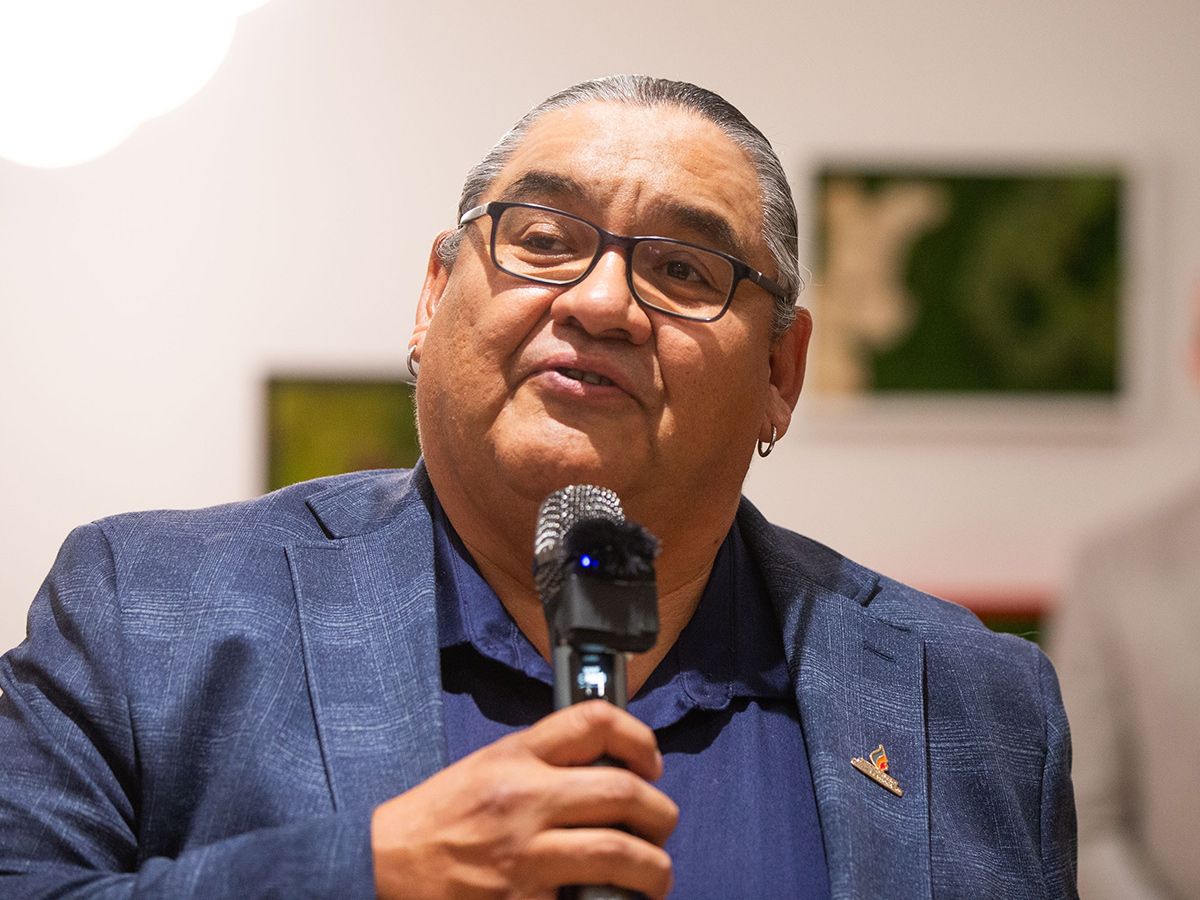
Alberta is drawing national praise for putting Indigenous partnership at the centre of a new West Coast oil pipeline plan. Calgary Herald reported that Alberta Premier Danielle Smith and Prime Minister Mark Carney jointly announced a new pipeline that would run from Bruderheim, Alta., to the Roberts Bank terminal near Vancouver, with Indigenous support built in from the start.
Karen Restoule, director of Indigenous affairs at the Canadian Association of Petroleum Producers, praised the province for making Indigenous inclusion a clear priority during the announcement, according to Leader-Post. Stephen Buffalo, president of the Indian Resource Council, called the approach an example of "reconciliation meeting action."
How Alberta Backs Indigenous Groups With Loan Guarantees
The key tool behind Alberta's approach is the Alberta Indigenous Opportunities Corporation, or AIOC. Ottawa Citizen explained that AIOC is a provincial Crown corporation — a government-owned body — that gives Indigenous groups access to large government-backed loans. Those loans let Nations buy equity stakes, or ownership shares, in major resource projects.
The AIOC exists because of a federal barrier. The Indian Act blocks band members from using reserve land as collateral — that is, as security — when applying for loans. AIOC was built to work around that restriction. As of late 2025, it has provided over $745 million in loan guarantees, helping 43 Nations buy into nine major projects, Ottawa Citizen reported.
Indigenous Leaders Praise Province's Hands-On Involvement
Stephen Buffalo did not just welcome the pipeline plan — he pointed to it as a model. He said the province's work showed that reconciliation does not have to stay in the language of policy documents. It can show up as real economic opportunity. He also highlighted untapped potential in northern B.C. and northwestern Alberta, according to Vancouver Sun.
Restoule echoed that view. She told Leader-Post that the emphasis on Indigenous support during the federal-provincial announcement stood out. Having Indigenous partnership mentioned prominently — not as an afterthought — marked a shift in how these projects are being presented and structured.
Pipeline Route and What Comes Next
The proposed pipeline would stretch from Bruderheim, Alta., to Roberts Bank near Vancouver. The Province reported that Alberta had previously pushed for better pipeline access to tidewater — meaning ocean ports — so that Canadian oil can reach global markets. This new project is part of that broader push.
The announcement came from both the federal and Alberta governments, signalling cross-government alignment on the project. Brantford Expositor noted that Premier Smith's role in securing Indigenous support was specifically called out as a strength of the plan. Exact timelines and construction details have not yet been released.
Why Indigenous Equity Ownership Changes the Calculus
Equity ownership is different from consultation. When Nations own a share of a project, they get a cut of the revenue — not just a seat at the table during planning. That financial stake gives communities a long-term interest in a project's success. It also gives them more leverage in shaping how projects are run.
The AIOC model has now been used across nine projects, showing it can scale. Buffalo's comments suggest Indigenous leaders see the pipeline not just as infrastructure but as an economic opening for communities in remote regions of northern B.C. and Alberta. Whether the federal government adopts similar tools nationally remains to be seen, according to Ottawa Citizen.
Sentiment
NeutralNEGATIVENEUTRALPOSITIVE
Publishers
15
Articles
14
Reach
15
A
AnonymousAuthor


