Drainpipe Tragedy in Australia
Nine-Year-Old Boy Dies After Entering Drainpipe at Australian Nature Reserve
Anonymous
Key Points
1
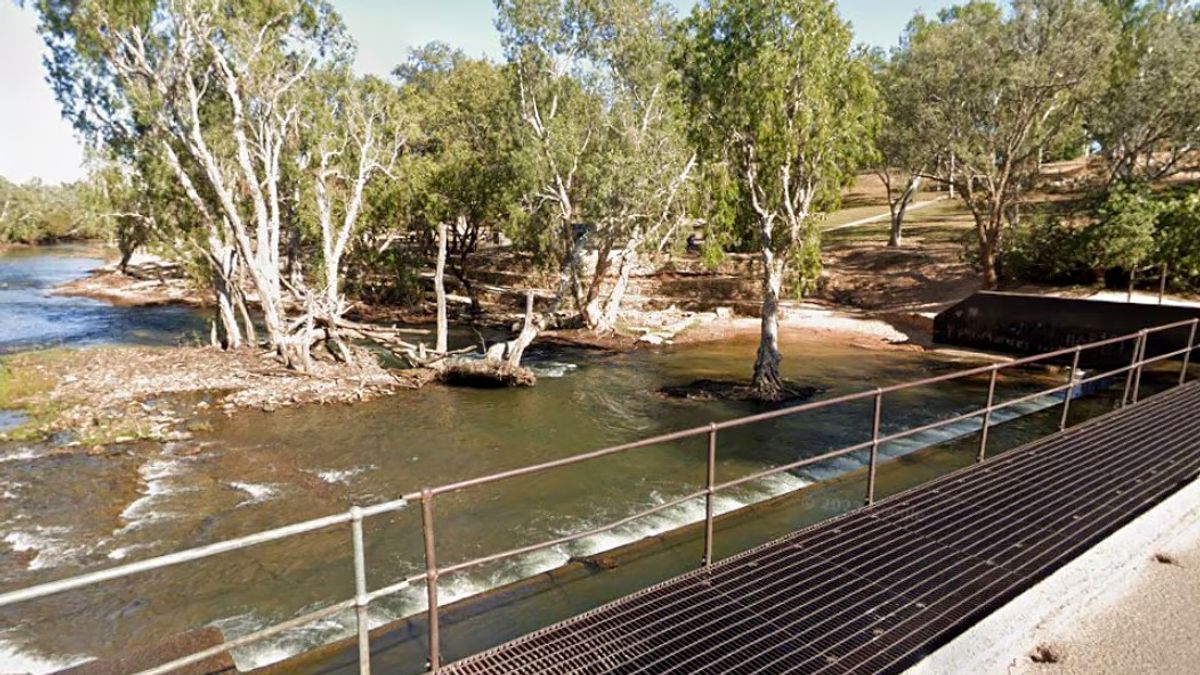
The boy had reportedly been swimming at the popular weir before entering the drainpipe, which attracts local families during the dry season.
2
Police launched an investigation into the circumstances of the disappearance and drowning, beyond preparing the report required for the coroner.
3
Authorities and community groups were reviewing safety protocols and signage at the reserve in response to the death.
4
The reserve’s conditions change dramatically during the wet months: the terrain can become impassable from December to April, with water levels reportedly rising to about 40 feet.
A nine-year-old boy drowned after entering a drainpipe at Katherine Low Level Nature Reserve in Australia's Northern Territory on Tuesday, September 22. People reported that police received the alert at about 5:15 p.m., and divers recovered his body just before 2 a.m. the next morning. His family is receiving support as authorities investigate the tragedy.
The death has reignited warnings about the dangers of children playing in drains and pipes at popular swimming spots. Mirror noted the boy had been swimming at the weir before entering the drainpipe. A similar tragedy occurred in Palmerston in 2014, making this the second such drowning in the region.
A Popular Swimming Spot Turns Deadly
Katherine Low Level Nature Reserve attracts local families year-round, especially during the dry season when swimming conditions seem safer. Yahoo reported that the boy had been enjoying the weir before he decided to enter the drainpipe. The reserve's landscape makes it popular for recreation, but hidden dangers lurk beneath the water's surface.
The drainpipe entrance proved fatal for the young swimmer. Once inside, he could not resurface or escape. Emergency responders launched a search immediately after the 5:15 p.m. alert, but recovery took nearly nine hours of intensive diving operations.
Dramatic Water Level Changes Put Swimmers at Risk
Katherine's climate creates extreme conditions that change the reserve dramatically across seasons. During wet months from December through April, water levels can rise to about 40 feet, making the terrain nearly impassable. These rapid changes in water depth make the drainpipe especially hazardous for unsuspecting swimmers.
The dry season swimming appears safer but carries hidden traps. Drainpipes and similar structures can become death traps when children enter them during play. Local authorities and community groups are now reviewing safety protocols and signage to prevent future tragedies.
History of Drainpipe Dangers in Northern Territory
This drowning marks the second major tragedy involving a drainpipe in the Northern Territory. A similar fatal incident occurred in Palmerston in 2014 when a child died under nearly identical circumstances. Despite these warnings, children continue to explore drains and pipes at swimming areas.
Police are preparing a report for the coroner and investigating the circumstances beyond the standard legal requirements. Authorities hope the investigation will lead to stronger safety measures and public education campaigns about the dangers these structures pose to young swimmers.
Sentiment
Mostly NegativeNEGATIVENEUTRALPOSITIVE
Publishers
12
Articles
5
Reach
17
A
AnonymousAuthor


