Expanding cervical cancer screening
NHS Launches At-Home Cervical Screening Kits For Millions Of Overdue Patients
Anonymous
Key Points
1
NHS England describes the rollout as a phased programme aligned with its aim to eliminate cervical cancer by 2040.
2
Each home-testing kit uses a vaginal swab and tests for high-risk HPV; about 13 high-risk types are linked to roughly 99.7% of cervical cancers.
3
Ordinarily women aged 24 to 64 receive invitations every five years; the new phased rollout targets women aged 30 to 65 who have missed appointments.
4
Advocates describe home-based screening as a step-change that could improve accessibility and participation.
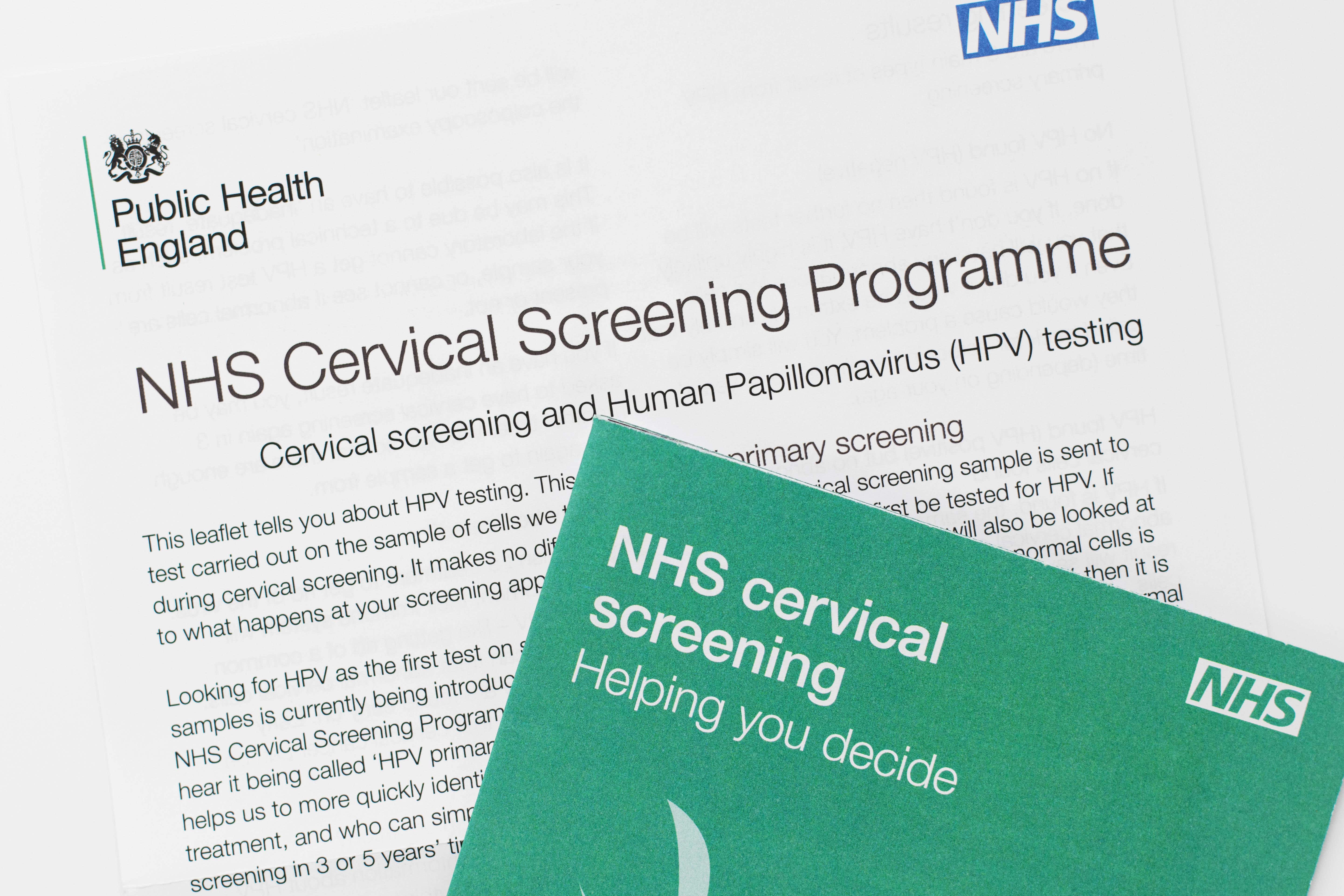
The NHS is giving millions of women in England a new option to catch cervical cancer early: free at-home screening kits. The program targets roughly four million women aged 30 to 65 who have missed recent appointments, with invitations arriving via text, email, the NHS app, and traditional post Seaside Radio. Women can swab themselves at home and mail samples to NHS labs to test for high-risk HPV—the virus that causes 99.7% of cervical cancers Seaside Radio.
How the At-Home Kits Work and Who Gets Them
Each kit contains a vaginal swab that women use to collect their own sample at home. The NHS then tests these samples for about 13 types of high-risk HPV linked to cervical cancer Coast FM. Eligible women aged 30 to 65 can order kits online or through the NHS app once they receive an invitation. The rollout is phased, meaning not all eligible women get invitations at once.
Closing the Screening Gap Across England
Currently, only 68.8% of eligible women attend cervical screening appointments Radio Royal. That falls short of the NHS's 80% target. Home-testing kits aim to remove barriers—like taking time off work or feeling uncomfortable at a clinic—that keep millions of women away. Health advocates say the convenience of home-based screening could be a game-changer for participation rates.
Part of a Larger Push to Eliminate Cervical Cancer
The at-home kit rollout supports the NHS's broader goal: eliminate cervical cancer in England by 2040 KMFM. Regular cervical screening catches cancers earlier, when they're easier to treat and survival rates are highest. By reaching women who have fallen behind on appointments, the NHS hopes to prevent thousands of cancer cases and deaths over the next two decades.
Sentiment
Mostly NegativeNEGATIVENEUTRALPOSITIVE
Publishers
11
Articles
33
Reach
44
A
AnonymousAuthor