Snapchat Teen Addiction Lawsuit
Pennsylvania Files Lawsuit Against Snap Over Snapchat Addiction Risks for Teens
Anonymous
Key Points
1
The complaint cites Snap Map’s real-time location sharing and the so-called disappearing evidence as factors that can impede law enforcement investigations.
2
The suit claims Snapchat misrepresents how often adult themes appear on the platform to obtain a 13+ rating, describing sexual content, nudity, and other mature material as infrequent or mild to influence app-store listings.
3
The AG highlights that Snapchat’s SnaptStreaks feature feeds social-acceptance pressures and a fear of missing out, with Sunday noting that for teens, 'social acceptance is everything' and streaks give tangible value to friendships.
4
Pew Research Center data cited by Sunday indicates about half of teens (ages 13-17) are daily Snapchat users, with roughly 13% reporting they are on the app 'almost constantly.'
5
Even after linking through the Family Center, parents reportedly cannot see whether their child is exposed to nude or drug-related content, cannot set time limits, cannot alter privacy settings, and cannot detect secondary accounts used to bypass oversight.
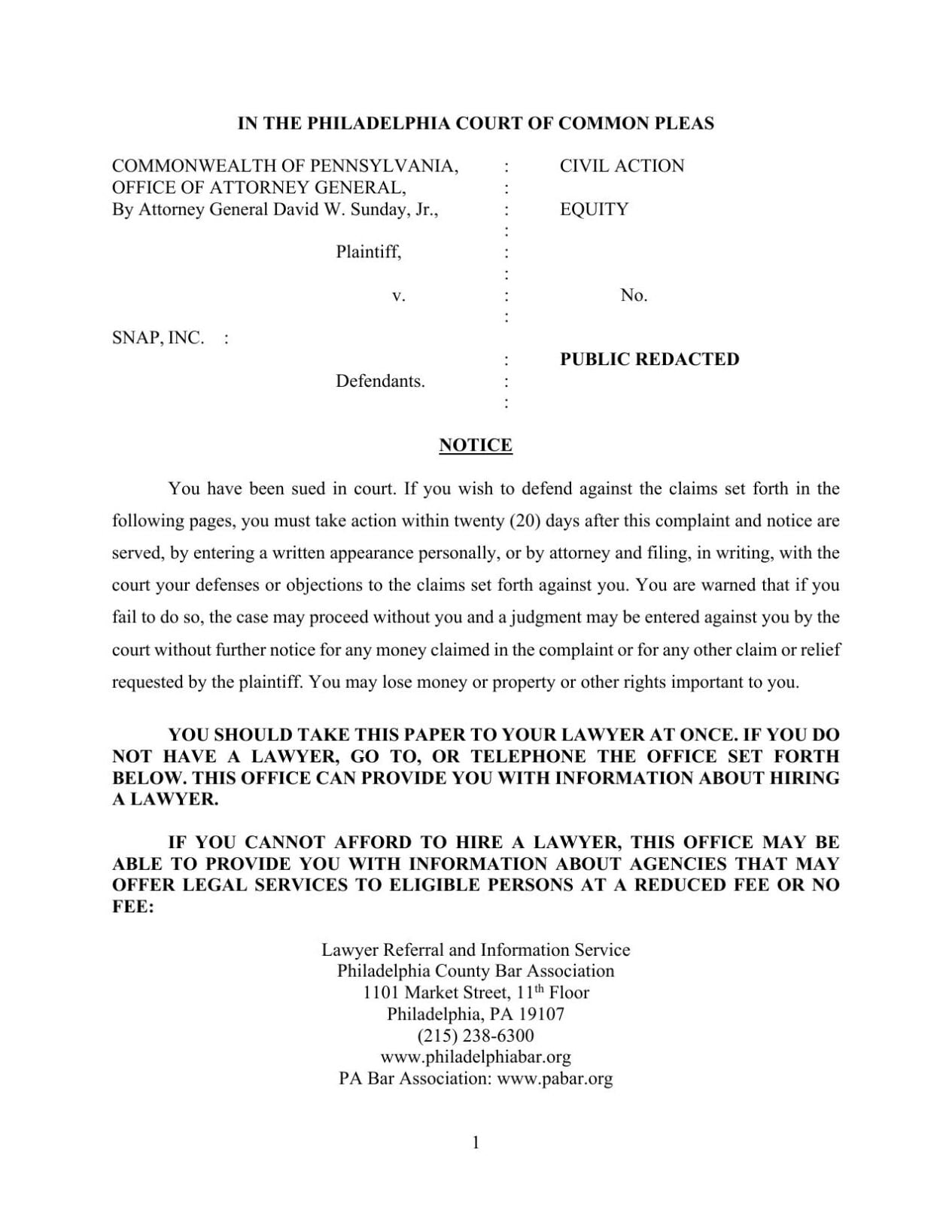
Pennsylvania's attorney general has sued Snapchat, claiming the app is deliberately designed to addict teens and hides how much adult content actually appears on the platform. The Center Square reports that Attorney General Dave Sunday filed the complaint alleging Snapchat breaches state consumer protection laws by lying about nudity and drug references to maintain a 13+ app-store rating. The lawsuit demands Snap redesign addictive features like SnapStreaks and fix parental controls that currently cannot block exposure to sexual material or set daily time limits.
SnapStreaks and Infinite Scrolling Hook Teen Users
The lawsuit zeros in on design features that push constant engagement. SnapStreaks reward teens for messaging friends daily, creating social pressure to stay active or lose the streak counter. WFMJ reports that infinite scrolling, autoplay videos, and push notifications offer no natural stopping points. Beauty filters and social-acceptance mechanics like the Friend Solar System amplify fear of missing out, especially among young users where peer approval feels existential.
Hidden Adult Content Keeps 13+ Rating Intact
The complaint alleges Snapchat misrepresents how often sexual content, nudity, and drug references appear on the platform. CBS News reports that Pennsylvania claims the company downplays adult material to regulators to earn and keep its 13+ rating on app stores. According to Sunday, this deception lets Snapchat reach younger users than its actual content policies would justify. The suit argues disappearing messages also hide evidence of predatory contact from law enforcement.
Parental Controls Leave Parents Blind and Powerless
WFMZ reports that the Family Center feature gives parents almost no visibility into their teen's experience. Even after linking accounts, parents cannot see if their child is exposed to nude or drug-related content. They cannot set daily time limits, change privacy settings, or detect secondary accounts teens use to bypass monitoring. This gap leaves parents unable to protect children despite the app marketing family-friendly oversight tools.
Half of Teens Use Snapchat Daily, Some Nearly Constantly
Daily Voice cites Pew Research data showing roughly half of teens ages 13 to 17 use Snapchat every day. About 13 percent report being on the app almost constantly. Sunday notes that for teens, social acceptance is everything — and SnapStreaks give tangible value to friendships, making them feel obligated to stay engaged. The lawsuit seeks stronger content labeling, redesigned features for minors, and independent safety audits to hold Snap accountable.
Sentiment
Mostly NegativeNEGATIVENEUTRALPOSITIVE
Publishers
18
Articles
39
Reach
57
A
AnonymousAuthor


