Rising Oil Prices
Oil Prices Rise as Renewed Fighting Sparks Middle East Supply Disruption Fears
Anonymous
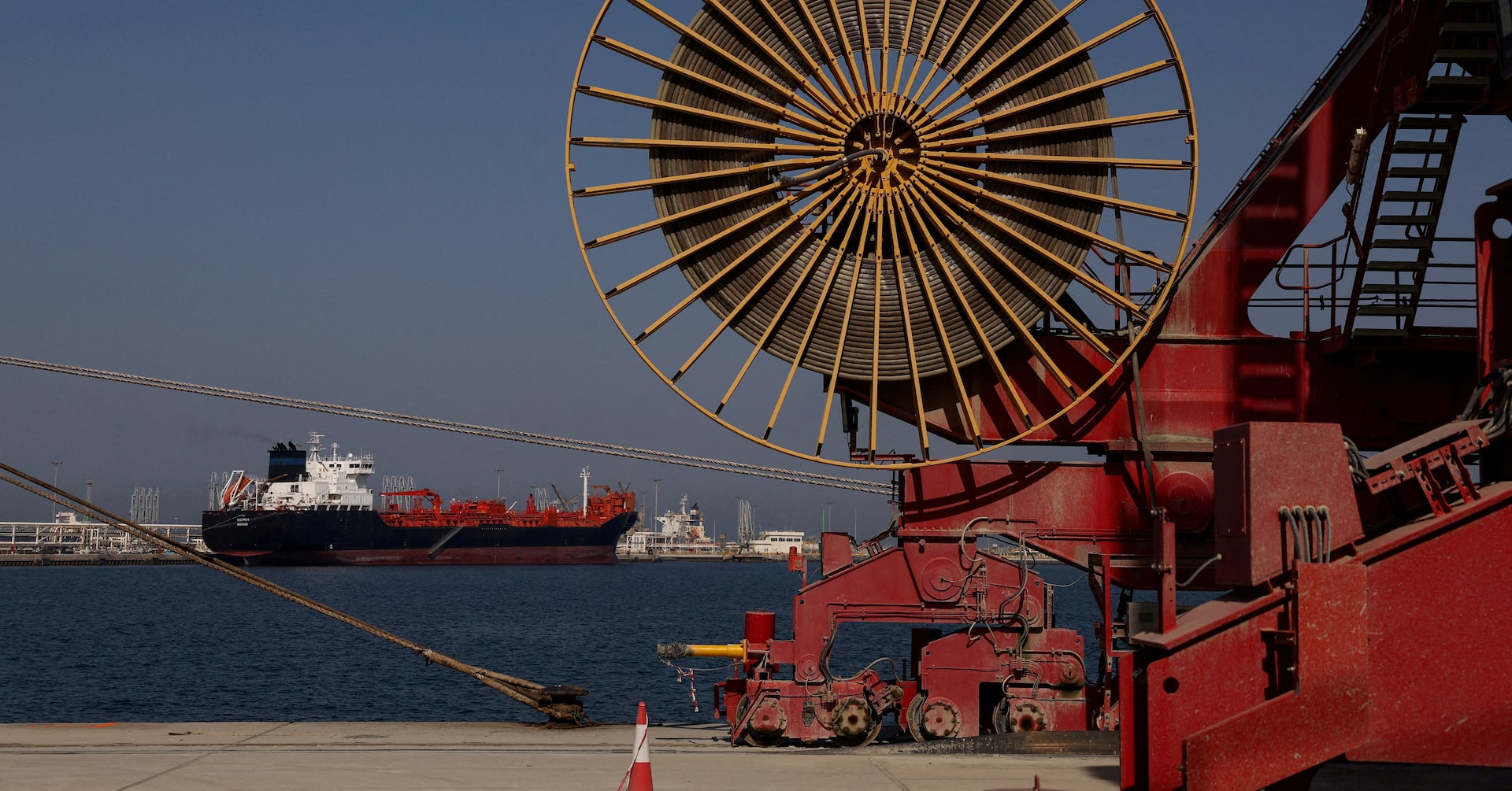
Oil prices climbed on renewed U.S.-Iran fighting, with Bellingham Herald reporting Brent crude up 56 cents to $91.05 per barrel. West Texas Intermediate jumped 83 cents to $86.59. The conflict has reignited fears of supply cuts through the Strait of Hormuz, the world's busiest oil chokepoint.
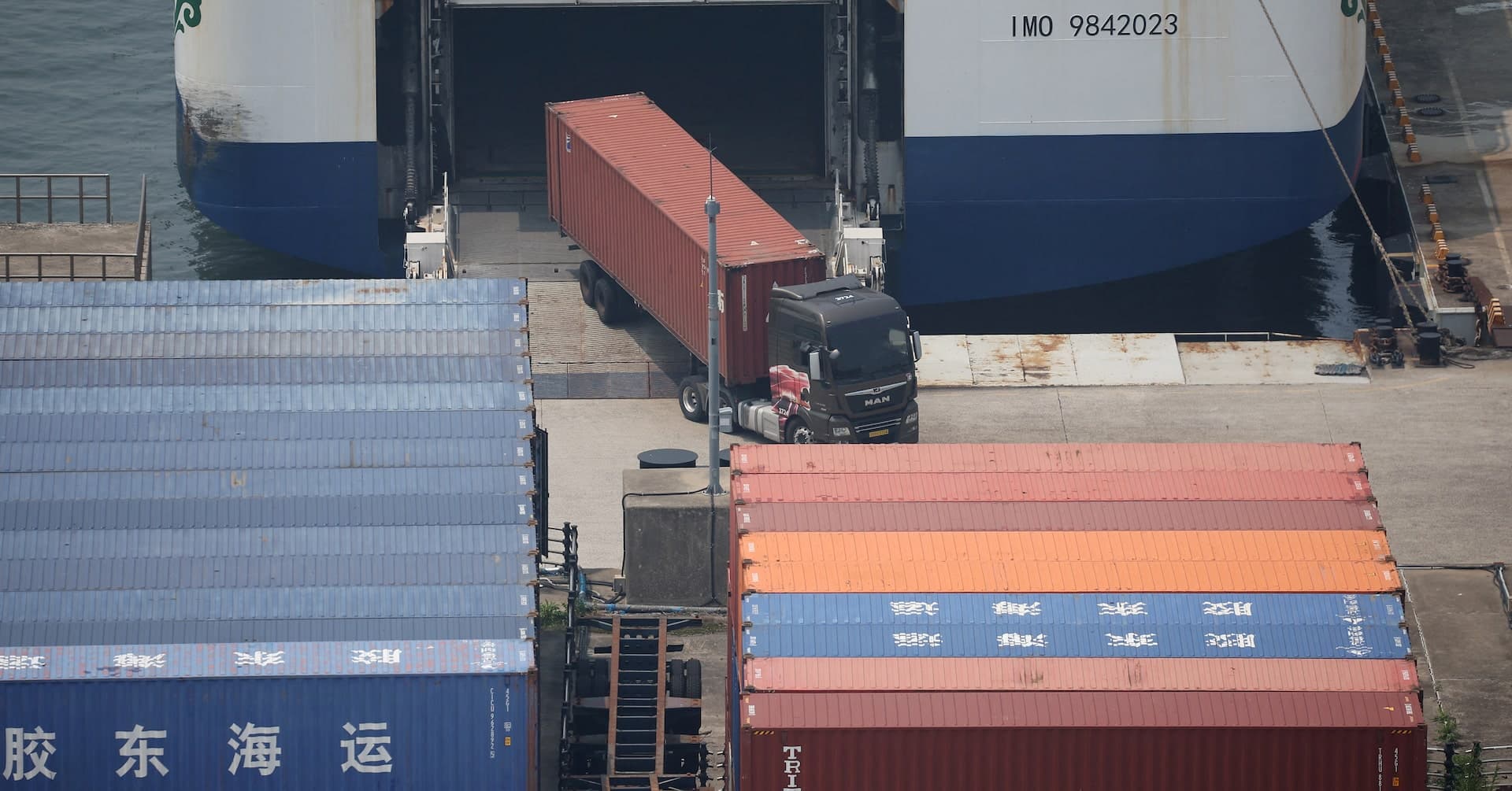
Shipping traffic tells the story. Only five commodity vessels per day now transit the Strait, Kpler data shows. Qatar and Oman's efforts to reopen the passage have stalled. Traders worry the direct U.S.-Iran clash could trigger broader supply disruptions.
Why Oil Markets Fear the Strait of Hormuz
The Strait of Hormuz funnels roughly one-third of global seaborne oil. When fighting erupts in the region, ships avoid the passage out of caution. Kansas City Star reports shipping traffic has collapsed to just five vessels daily. That's a dramatic drop from normal activity. Each day lost means less oil reaching global markets.
Reopening efforts by Qatar and Oman have made little progress. Regional diplomacy appears frozen as tensions spike. Even the threat of closure pushes prices higher. Traders don't wait for actual supply cuts—they bid up oil in advance.
Trump's Threats Signal Escalation Ahead
President Donald Trump warned of further U.S. strikes against Iran following the latest direct attack. News & Observer notes this is the first major clash between the two countries in a month. Trump's statement signals Washington is not backing down. Each threat ratchets up market anxiety about what comes next.
Investors hate uncertainty. They can't predict when the next strike happens or how Iran will respond. Will shipping resume? Will the Strait stay open? These unknowns push traders to buy oil now, before prices climb further.
Oil's Small Gain Hides Bigger Risks Ahead
So far, crude has climbed modestly. Kansas.com shows Brent up just 0.6% and West Texas up 1%. But these gains could spike fast if fighting worsens. A full Strait closure could push prices 20% higher within days. Current moves reflect caution, not panic—yet.
U.S. crude inventories matter too. Lower stocks mean America has less cushion if supplies get cut off. Refiners and traders are watching inventory data closely. Even a small supply shock could send shockwaves through global energy markets now.
Sentiment
NeutralNEGATIVENEUTRALPOSITIVE
Publishers
16
Articles
16
Reach
16
A
AnonymousAuthor