New Vaping Restrictions
Alabama Restricts Vaping in Public Places as Global Crackdown on E-Cigarettes Expands
Anonymous
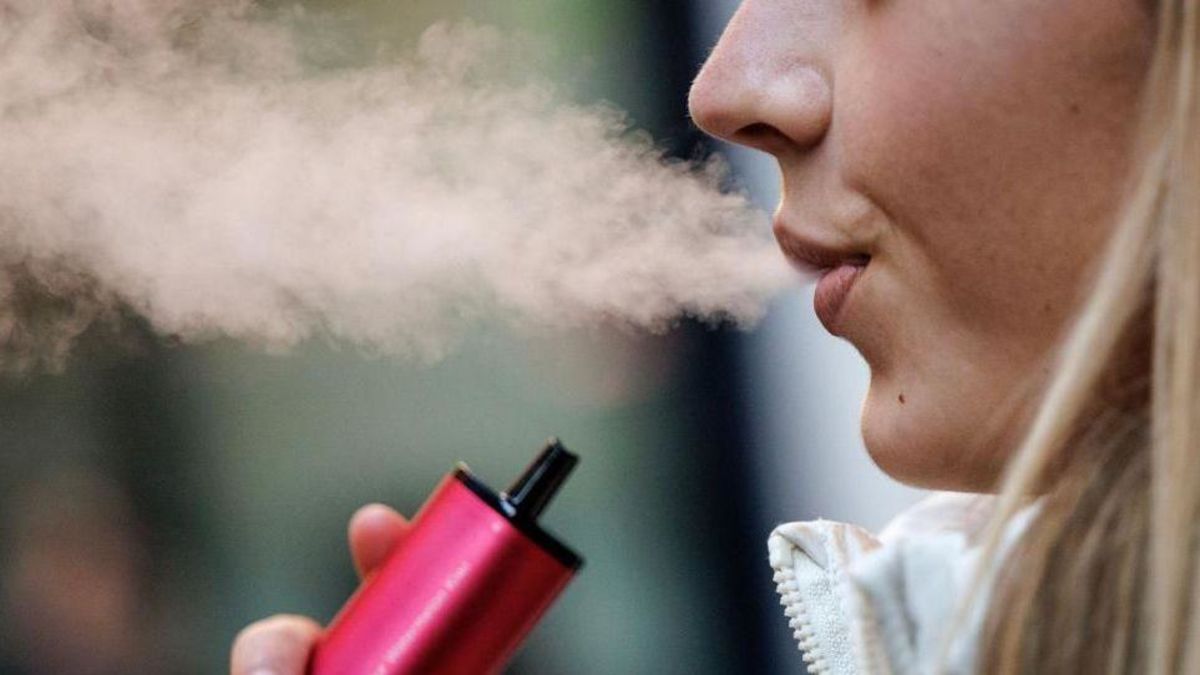
Alabama’s Clean Indoor Air Act began covering vaping on Oct. 1, prohibiting e-cigarette and other vaping-device use in enclosed public places where smoking is already banned, while leaving private residences outside the law. The measure applies regardless of whether a device contains nicotine, THC or another substance; health groups say vape aerosol can contain potentially harmful chemicals, though the long-term effects of secondhand exposure remain under study. In Guernsey, people with lung conditions and health organizations are urging venues to treat vaping like smoking, while officials say a strategy starting in 2027 will consider an indoor vaping ban; not all advocates support tighter legislation. California has enacted a phased ban on manufacturing and importing most single-use nicotine vapes, followed a year later by a retail-sales ban, with escalating fines for violations. Separately, Westchester County, New York, has barred retailers from selling or transferring vaping products disguised as everyday objects or school supplies.
Key Points
1
Taipei plans to ban smoking—not specifically vaping—in the Xinyi Shopping District near Taipei City Hall MRT station from Nov. 1. After a one-month grace period, violations will carry fines of NT$2,000 to NT$10,000; the designated area includes sidewalks and spans several surrounding roads.
2
California’s disposable-vape ban exempts single-use devices made for cannabis concentrates, focusing on nicotine e-cigarettes. The bill’s author said it aims to prevent battery acid from discarded vapes from leaking into land and waterways; a sponsoring research group estimated nearly half a million disposable vapes are discarded nationally each day.
3
Guernsey resident Mark Prevel, who has emphysema, said he cannot follow someone vaping while walking through town and would leave a bar if he saw someone vaping. Despite his concerns, he said he was not keen on tighter legislation.
4
Westchester County’s restriction covers products designed to resemble items such as highlighters, pens, USB drives and toys; retailers who sell or transfer them can face fines of up to $2,500.
Sentiment
Mostly NegativeNEGATIVENEUTRALPOSITIVE
Publishers
15
Articles
14
Reach
29
Topics
A
AnonymousAuthor


