Free Flu Jabs For Homeless
NHS launches first national flu vaccine programme targeting rough sleepers and shelters
Anonymous
Key Points
1
The national programme is targeting about 35,000 people sleeping rough or using homeless hostels and night shelters.
2
At Bournemouth’s first pop-up clinic, held at St Swithun’s Church, more than 40 people received vaccinations and health checks.
3
The Bournemouth clinic offered a broader one-stop health service alongside vaccinations, including cancer checks, podiatry and sexual health services.
4
The Joint Committee on Vaccination and Immunisation advised in June that NHS flu vaccinations should be made available to people experiencing homelessness.
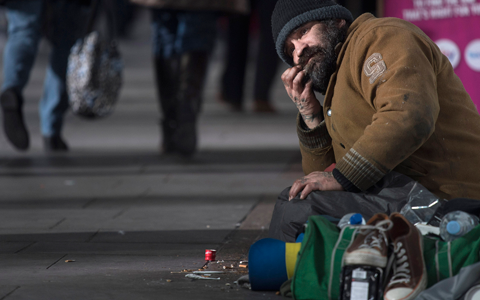
The NHS is launching its first national flu vaccination programme specifically for people experiencing homelessness, targeting about 35,000 rough sleepers and people using hostels or night shelters. Morning Star Online reports that mobile vans and pop-up clinics are bringing free vaccines to rough-sleeping hotspots across the country, marking a major expansion of winter health protection for one of the most vulnerable populations in Britain.
People experiencing homelessness face far greater risks from respiratory illness due to exposure, poor living conditions and limited access to healthcare. The Independent notes that some clinics are also offering pneumococcal vaccination and other health checks like cancer screenings and podiatry services, creating a one-stop health service for vulnerable groups often left behind by standard NHS provision.
First National Scheme Brings Vaccines to the Streets
For the first time, the NHS is offering coordinated flu vaccination specifically designed for rough sleepers and homeless people. Care Appointments reports that pop-up clinics and mobile vans launched this week, bringing free jabs directly to where vulnerable people sleep and seek shelter. Local authorities and charities are coordinating these services to reach tens of thousands of people who would otherwise struggle to access routine healthcare.
At Bournemouth's first pop-up clinic, held at St Swithun's Church, more than 40 people received vaccinations and health checks in a single session. The clinic went beyond simple flu jabs, offering cancer screenings, podiatry care and sexual health services — addressing multiple health needs that homeless people often cannot meet through standard NHS pathways.
Why Homeless People Face Greater Winter Health Risks
People sleeping rough live in conditions that make them far more vulnerable to serious respiratory illnesses. Exposure to cold, damp environments, poor nutrition and crowded shelter conditions all weaken immune systems and increase infection risk. Health officials say this group needs flu protection more than the general population — and protecting them also reduces pressure on hospital emergency departments during winter months.
Flexible Registration Removes Barriers to Care
A major obstacle for rough sleepers has been registering with a GP — many lack a fixed address. The NHS has now made it clear that people experiencing homelessness can register with a local GP without proof of address, removing a critical barrier to vaccinations and other healthcare. This change acknowledges that healthcare access should not depend on having a home, and it opens pathways to ongoing medical care beyond this winter's flu campaign.
Expert Advisory Committee Pushed for Homeless Vaccination
The Joint Committee on Vaccination and Immunisation advised the NHS in June that flu vaccinations should be available to people experiencing homelessness. That recommendation has now become policy through this national rollout. By treating homelessness as a health priority rather than an afterthought, the NHS is responding to expert guidance that recognizes rough sleepers as a population requiring targeted protection.
Sentiment
Mostly NegativeNEGATIVENEUTRALPOSITIVE
Publishers
16
Articles
33
Reach
49
A
AnonymousAuthor


