Teen Ride Livestreams
Uber Expands Teen Account Safety Features With Nationwide Live Video Feeds For Guardians
Anonymous
Key Points
1
Uber is conducting a nine-market pilot of the live-teens-feed feature before nationwide rollout, with initial locations including Atlanta, Phoenix, Orlando, Raleigh-Durham, Portland, San Antonio, Cleveland, Rhode Island, and El Paso, Texas.
2
Guardians linked to a teen’s account will receive a push notification when live video becomes available, in addition to the teen and driver being alerted when a guardian starts watching.
3
The live video is encrypted and a recording is stored for 14 days by default, with longer retention only if a safety incident is reported; a decryption key is used solely to review incidents.
4
Uber is operating amid extensive safety litigation, with more than 4,000 active sexual assault and misconduct lawsuits filed by passengers against drivers in state and federal courts.
5
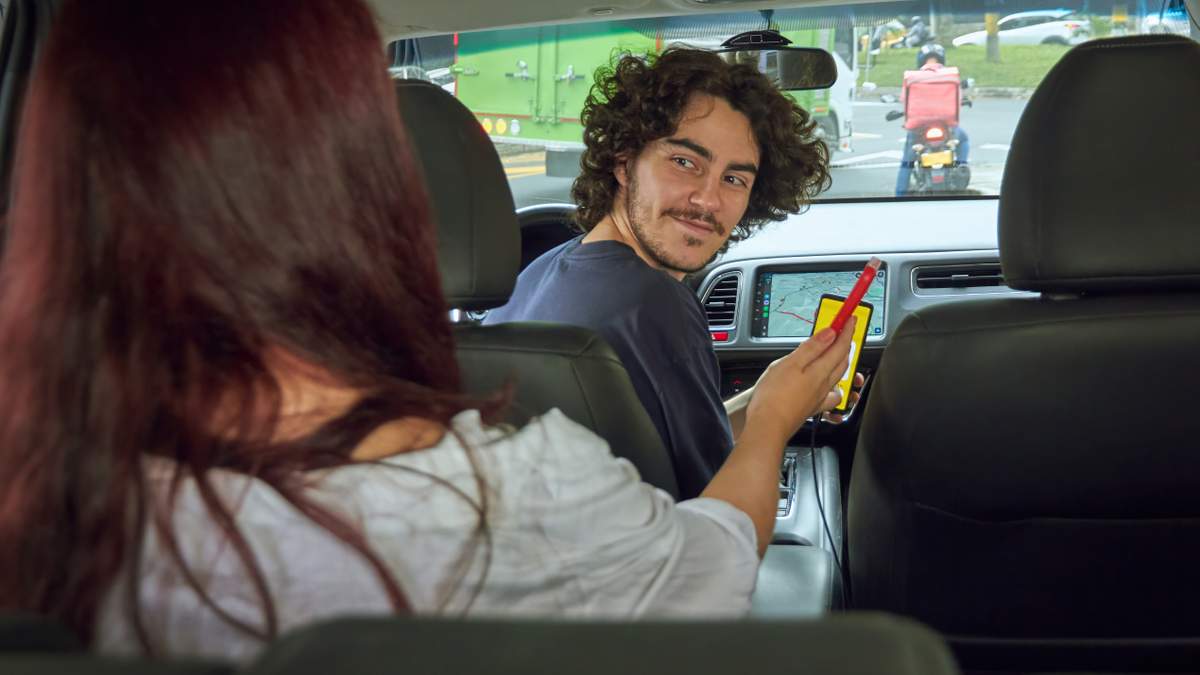
A driver-side operational detail noted in reporting is that drivers may be prompted to mount their phone and ensure a clear view of the back seat to enable the selfie-camera feed.
Uber is rolling out a new safety tool nationwide that lets parents watch their teen's ride in real time through the driver's selfie camera. Nasdaq reports the feature sends notifications to both the teen and driver when a guardian starts watching, giving families a new way to monitor trips during the school year.
The livestream is encrypted and only viewable during active trips. iHeart noted that recordings are stored encrypted for up to 14 days unless a safety incident requires longer storage. The rollout comes as Uber faces more than 4,000 active lawsuits related to driver misconduct and sexual assault claims.
How the Teen Livestream Feature Works
Guardians linked to a teen's account can now watch live video from the driver's phone camera during rides. Nasdaq explains that both the teen and driver receive alerts when a guardian starts viewing. The video feed ends automatically when the ride ends, and only approved guardians can access the stream.
Drivers who opt into teen trips must agree to camera access. iHeart reported that drivers may need to position their phone to show a clear view of the back seat. The live stream is not recorded by default—only stored if a safety incident triggers longer retention.
Nine-Market Pilot Before National Expansion
Uber tested the feature in nine markets before the nationwide rollout. The pilot cities included Atlanta, Phoenix, Orlando, Raleigh-Durham, Portland, San Antonio, Cleveland, Rhode Island, and El Paso, Texas. Guardians linked to teen accounts in those markets tested the tool as school resumed.
The nationwide expansion brings the livestream feature to all Uber users with teen accounts. iHeart noted the timing coincides with the school year, when more teens rely on ride-sharing for transportation to classes and activities.
Encryption and Privacy Protections Built In
All video is encrypted end-to-end, meaning only the guardian and Uber can decrypt it. Nasdaq reported that recordings are kept encrypted for 14 days by default. A decryption key is used only when reviewing confirmed safety incidents, protecting teen privacy in routine trips.
The feature balances parental oversight with rider privacy. iHeart highlighted that the livestream is not a full trip recording—guardians watch only during active rides. Once a teen exits the vehicle, the video stream stops and no further monitoring occurs.
Moving Forward Amid Safety Concerns
Uber is operating under significant legal pressure. The company faces more than 4,000 active lawsuits filed by passengers alleging sexual assault and misconduct by drivers in state and federal courts. The livestream feature is one tool Uber is using to address safety concerns and rebuild trust with families.
The rollout reflects Uber's broader push to make teen accounts safer. iHeart noted that as school starts, parents are seeking better ways to monitor their teenagers' transportation. The livestream feature gives families real-time visibility without constant check-ins or intrusive location tracking.
Sentiment
Mostly PositiveNEGATIVENEUTRALPOSITIVE
Publishers
17
Articles
191
Reach
208
A
AnonymousAuthor