Morales Arrest Warrant
Bolivia Issues Arrest Warrant for Former President Morales Over Terrorism, Armed Uprising During Blockades
Anonymous
Key Points
1
The unrest tied to Morales’s arrest warrant resulted in a reported death toll of up to 22 people and about 88 injuries, with economic losses estimated at over $3 billion as blockades disrupted transport nationwide.
2
Prosecutors formalized six charges against Morales (armed uprising against the security and sovereignty of the state; terrorism; endangering the safety of transport systems; criminal association; public incitement to commit crimes; and endangering the safety of public services) in connection with the May–June road blockades.
3
The case originated from a complaint filed on July 1 by the Pro Santa Cruz Civic Committee, which was later joined by Bolivia’s Interior Ministry; the arrest order directs police to detain Morales and present him to the specialized anti-corruption unit, signed by prosecutor Brayan Melgar.
4
Morales is described as remaining in the Chapare Tropic region of Cochabamba, guarded by supporters, illustrating the ongoing political fault line and the extent of his influence in the region.
5
The protests reportedly began with Aymara farming organizations in La Paz and expanded through labor unions, culminating in a 53-day blockade that disrupted transport and contributed to shortages across the country.
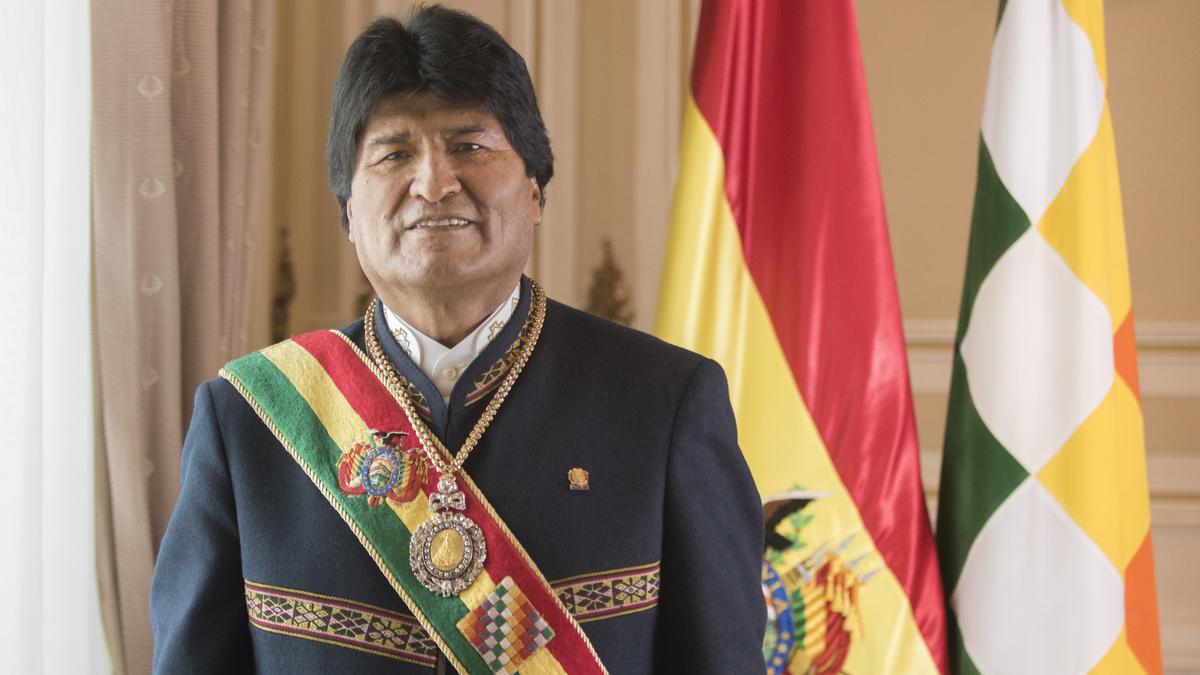
Bolivian prosecutors issued an arrest warrant for former president Evo Morales on July 29, 2026, charging him with armed uprising, terrorism, and four related offenses, according to TRT World. The charges stem from a 53-day blockade of key roads organized by his supporters between May and June 2026, which paralyzed parts of the country and left at least 22 people dead and 88 injured.
The unrest cost Bolivia an estimated $3 billion in economic losses as shortages of food, fuel, and medicine spread across the country, Hurriyet Daily News reported. Morales, who remains in the Chapare Tropic region of Cochabamba surrounded by supporters, has called the charges political persecution.
Six Charges Signed, Arrest Order Sent to Police
Prosecutor Brayan Melgar signed the arrest order, directing police to detain Morales and bring him before Bolivia's specialized anti-corruption unit, Rio Times Online reported. Prosecutors filed six charges in total: armed uprising against state security and sovereignty, terrorism, endangering transport safety, criminal association, public incitement to commit crimes, and endangering public services.
The case began on July 1 with a complaint filed by the Pro Santa Cruz Civic Committee. Bolivia's Interior Ministry later joined the case, giving it greater government weight, according to TRT World. The warrant marks a significant escalation in a long-running feud between Morales and Bolivia's current leadership.
53-Day Blockade Brought Bolivia to a Standstill
The protests started with Aymara farming groups in La Paz before spreading through labor unions nationwide. Morales's supporters then blockaded key routes from his stronghold in the Chapare region of Cochabamba. The blockades lasted 53 days — from May into late June 2026 — cutting off transport across the country, Hurriyet Daily News reported.
Shortages of food, fuel, and medicine followed quickly. The death toll reached 22 people, with 88 more injured. Economic losses topped $3 billion, according to Ecostylia. The protesters demanded the resignation of President Rodrigo Paz, who took office amid a deepening economic crisis in Bolivia.
Morales Stays in Chapare Stronghold, Calls It Persecution
Morales has not been detained. He remains in the Chapare Tropic region, guarded by loyal supporters, SANA reported. The area has long been his political base, and his influence there makes any arrest logistically difficult. Authorities have yet to say how they plan to execute the warrant.
Morales says the charges are designed to remove him from politics. His allies argue the case is part of a broader campaign to silence opposition ahead of future elections. Prosecutors and the government say the warrant is a lawful response to unrest that cost lives and billions of dollars, according to TRT World.
Bolivia's Crisis Deepens as Political Conflict Drags On
Bolivia was already struggling with an economic crisis before the blockades began. The 53-day shutdown made things worse, draining reserves and disrupting supply chains. Ecostylia noted that Morales has used road blockades as a pressure tactic before, making this latest episode part of a pattern stretching back years.
The arrest warrant puts Bolivia's political fault lines into sharp relief. President Paz faces pressure from both the economic crisis and a powerful opposition movement centered on Morales. How authorities handle the warrant — and whether Morales is ever detained — will likely define Bolivia's political direction in the months ahead.
Sentiment
Mostly NegativeNEGATIVENEUTRALPOSITIVE
Publishers
12
Articles
21
Reach
33
A
AnonymousAuthor


