Tragic Jetty Oil Siphoning
Toxic Fumes From Illegal Oil Siphoning Leave Dozens Dead at Rivers Jetty
Anonymous
Key Points
1
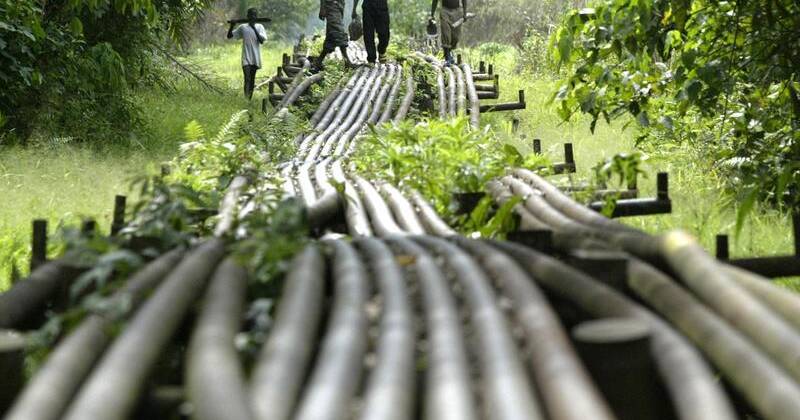
Victims connected a pipe to a tapping point on a pipeline that normally transports product from Indorama Eleme Petrochemical through the Port Harcourt Refinery to vessels that come every two weeks for export, highlighting the entrenched supply-chain practices exploited in illicit siphoning.
2
Initial casualty details indicated no fewer than 37 bodies identified as indigenes of Okrika, with six others unnamed and many more still missing; police said they could not confirm the casualty figure immediately as investigations continued.
3
A Civilian JTF commander described the tragedy as devastating and stressed that many of the victims were youths seeking livelihoods, not criminals, stating: 'These are not criminals or anything, but they went out in search of their daily bread.'
4
The incident occurred around midnight while a vessel was docked at the jetty loading petroleum products for export, with the illegal siphoning operation taking place concurrently and fumes overwhelming those involved.
At least 43 people are feared dead after toxic fumes from illegal oil siphoning engulfed Okari Jetty in Rivers State, Nigeria, around midnight on September 3, 2026. Over 200 youths in wooden boats were attempting to tap a high-pressure pipeline carrying petroleum products when concentrated gas fumes forced many to collapse, with some drowning in the river as survivors gasped for air YEAC-Nigeria.
The victims, mostly Okrika indigenes seeking income in a region plagued by poverty and unemployment, connected siphoning pipes to a line transporting product from Indorama Eleme Petrochemical through the Port Harcourt Refinery. A commander with the local Civilian JTF emphasized their desperation: "These are young guys who have gone to search for their daily bread... These are not criminals or anything, but they went out in search of their daily meal." Civilian JTF Commander
Over 200 Youths Overcome by Chemical Fumes
The tragedy unfolded as a cargo vessel docked at the jetty to load petroleum for export. Concurrent with that operation, more than 200 local youths in small boats illegally tapped into an adjacent pipeline carrying highly volatile, chemical-dense product under high pressure YEAC-Nigeria. When fumes concentrated around the boats, victims choked on what locals call "Indorama fuel" and many fell into the river.
Search-and-rescue crews recovered at least 37 bodies identified as Okrika residents, with six others still unidentified Youths and Environmental Advocacy Centre. Multiple survivors suffered acute respiratory distress and were rushed to hospitals. Police spokesman Blessing Agabe said investigators were still working to confirm exact casualty figures and locate missing persons Rivers State Police Command.
Desperation Drives Youth Into Deadly Oil Theft
The Niger Delta has long suffered from mass unemployment and poverty, pushing young people toward dangerous illegal oil siphoning as a survival strategy. Commander Igwe Godswill of the Civilian JTF stressed that these victims were not hardened criminals but desperate youths with no legitimate income. "When you cannot feed your children, most times, those risky jobs become the only option," he said Civilian JTF Commander.
Military operations have destroyed dozens of illegal refineries — joint task forces destroyed 10 illegal operations in April 2026 alone — yet the underlying economic crisis remains unresolved Security Reports. Without jobs, young people continue to risk their lives tapping pipelines that carry toxic, pressurized chemicals with no protective equipment.
Pipeline Security and Infrastructure Vulnerabilities Exposed
The incident revealed critical gaps in protecting export corridors. Products from Indorama Eleme Petrochemical transit through Port Harcourt Refinery pipelines under the custody of the Nigerian National Petroleum Company Limited (NNPCL) Indorama Petrochemicals. Illegal tapping points remain accessible to determined groups, allowing them to siphon without detection until tragedy strikes.
Environmental groups have called on federal agencies and NNPCL to conduct joint investigations and strengthen pipeline defenses YEAC-Nigeria. Without upgraded security, infrastructure hardening, and simultaneous job creation in vulnerable communities, mass-casualty incidents like the Okari Jetty tragedy will likely repeat.
Sentiment
Mostly NegativeNEGATIVENEUTRALPOSITIVE
Publishers
46
Articles
134
Reach
180
A
AnonymousAuthor


