Cluster Munition Casualties Rise
Ukraine Drives Majority of Global Cluster Munition Casualties in 2025
Anonymous
Key Points
1
Of the 1,063 casualties recorded in 2025, 946 resulted from fresh cluster-munition attacks and 117 from unexploded remnants left behind by earlier use.
2
Children accounted for around two-fifths of the 2025 casualties; the report cautioned that the true toll is likely higher because many incidents go unreported.
3
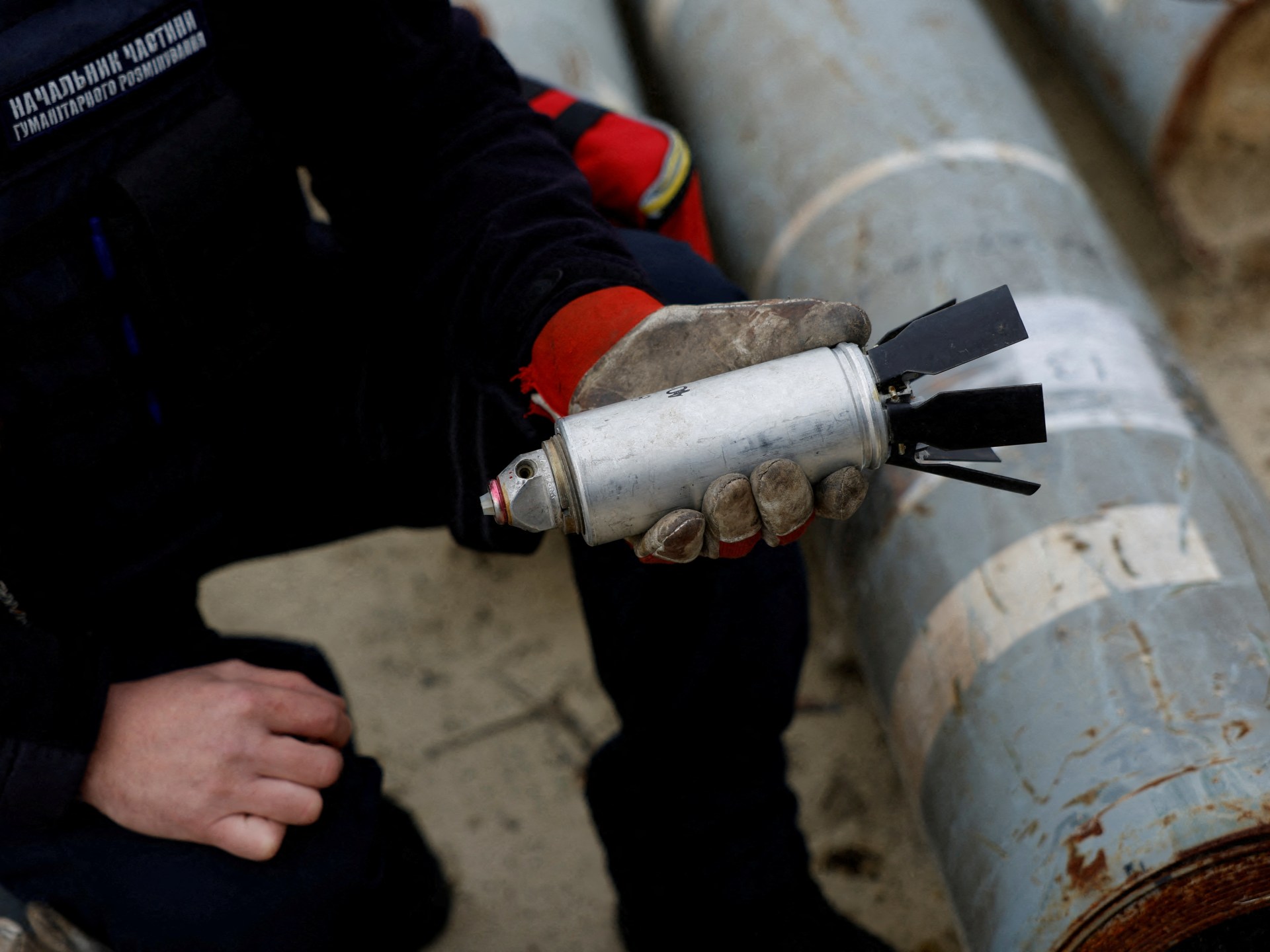
The Cluster Munition Coalition said unexploded submunitions can remain hidden in fields, forests, streets and schoolyards for decades; an estimated 10% to 40% of bomblets fail to detonate on impact.
4
The Convention on Cluster Munitions has 112 states parties, but the coalition warned that the treaty is under pressure from deep cuts to funding for clearance and survivor assistance and from the first-ever withdrawal of a state party.
5
The coalition identified new cluster-munition production in nine countries outside the treaty, including China, Israel, North Korea, Russia and South Korea.
Cluster munitions killed or injured at least 1,063 people in 2025, marking the third-highest annual toll ever recorded, according to Cluster Munition Coalition data. Ukraine accounted for 927 of these casualties—87% of the global total and the highest national figure for four straight years. Civilians made up 87% of all victims, with children representing roughly two-fifths of those harmed.
The weapons scatter bomblets across wide areas. An estimated 10% to 40% of these submunitions fail to detonate on impact, remaining hidden and deadly for decades. Of 2025's casualties, 946 came from fresh attacks while 117 resulted from unexploded remnants left by earlier use.
Ukraine Bears Brunt of Global Cluster Toll
Ukraine has suffered cluster-munition casualties for four consecutive years at higher rates than any other nation. The 927 Ukrainian casualties in 2025 reflect the ongoing war with Russia. Both countries remain outside the treaty banning these weapons and have been documented using them extensively throughout the conflict.
Beyond Ukraine, cluster-munition victims were recorded in eight other countries in 2025. The Cluster Munition Coalition cautioned that the true global toll is likely much higher because many incidents go unreported, especially in conflict zones with limited humanitarian access.
Unexploded Bomblets Pose Lasting Danger
Cluster munitions scatter submunitions—small bomblets—across wide areas. When they fail to explode on impact, they become de facto landmines. An estimated 10% to 40% of bomblets never detonate, remaining hidden in fields, forests, streets and schoolyards for decades. In 2025, unexploded remnants from earlier attacks caused 117 casualties.
Children face particular risk from these hidden weapons. Around two-fifths of 2025's casualties were children, often injured by remnants they encounter while playing or working outdoors. The Cluster Munition Coalition emphasized that survivors face severe, lifelong injuries requiring intensive medical and psychological support.
Treaty Under Pressure as Production Spreads
The Convention on Cluster Munitions has 112 member states. However, the coalition warned the treaty faces mounting pressure from dramatically reduced funding for clearance and survivor assistance. More concerning: one nation recently withdrew from the treaty for the first time.
Meanwhile, new cluster-munition production continues in nine countries outside the treaty, including China, Israel, North Korea, Russia and South Korea. The Cluster Munition Coalition warned that this continued manufacturing and transfer of weapons undermines humanitarian progress made by treaty nations. With global review talks scheduled for Laos, the coalition called for stronger international pressure to halt production.
Sentiment
Mostly NegativeNEGATIVENEUTRALPOSITIVE
Publishers
20
Articles
85
Reach
105
A
AnonymousAuthor


