AI Power Crunch
Rapid AI Data-Center Growth Threatens to Overwhelm Global Electricity Supplies
Anonymous
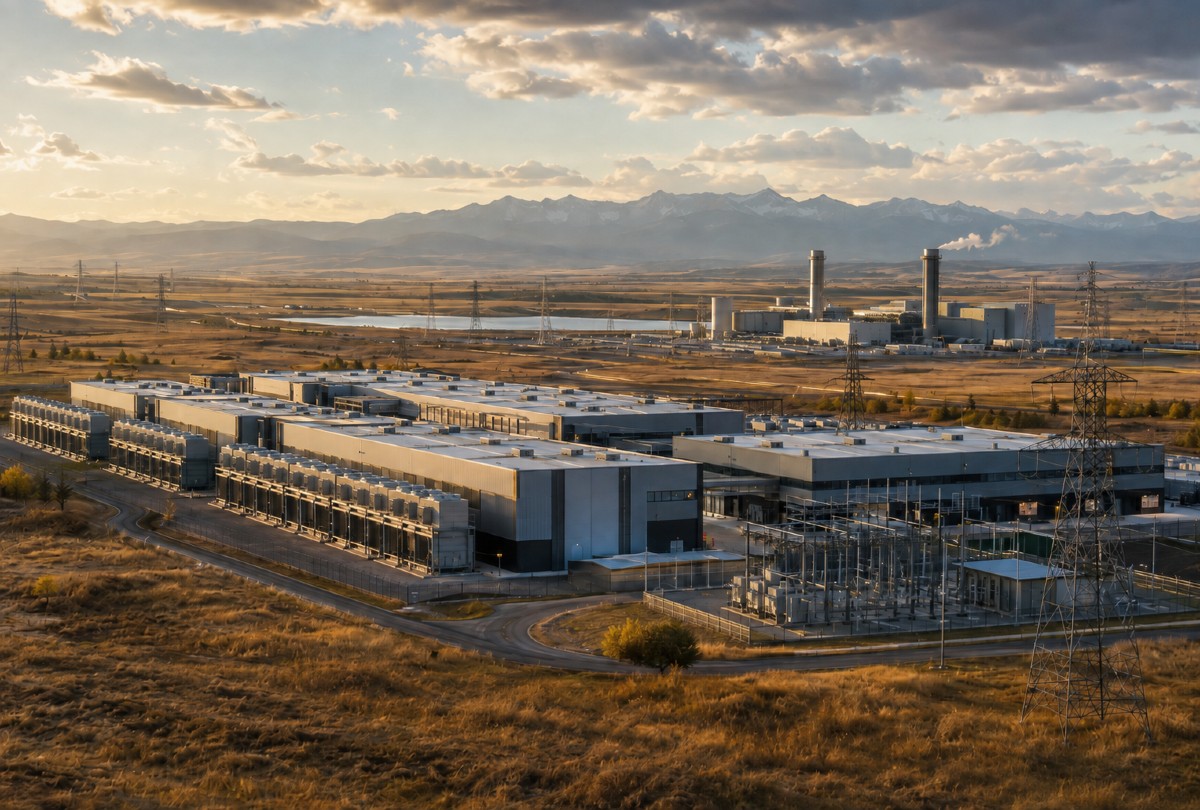
Rapid AI data-center growth is intensifying pressure on electricity supplies and grid infrastructure, making access to reliable, timely power a growing constraint on where projects can be built. At a Climate Week event, Nvidia sustainability executive Josh Parker argued that slowing AI deployment to ease demand could delay innovation, while Sen. Brian Schatz called for building more clean energy to help consumers with utility bills; Support + Feed founder Maggie Baird also urged greater attention to agriculture’s climate impacts. A separate analysis identifies dependable power as a major business opportunity, noting that data centers need around-the-clock electricity and that grid limits could delay planned projects. One proposed response is on-site generation: Bloom Energy’s fuel-cell systems can supply power before grid upgrades are ready, though scaling manufacturing, protecting margins and replicating large customer deals remain challenges. The issue is also drawing broader attention in Canada, where an upcoming industry summit will examine how AI-driven electricity needs intersect with energy security, infrastructure, investment and supply chains.
Key Points
1
The International Energy Agency projects data-center electricity use will rise from 485 terawatt-hours in 2025 to about 950 TWh by 2030; data centers could account for nearly half of U.S. electricity-demand growth through 2030.
2
The same analysis estimates that by 2027 a single advanced data-center server rack could have peak electricity demand equivalent to 65 households, underscoring the scale of power required by AI infrastructure.
3
Bloom Energy’s on-site systems generate electricity from natural gas and air; the article says each unit produces about 325 kilowatts and notes that Oracle signed a 1.2-gigawatt agreement. The analysis cautions that Bloom still needs to demonstrate it can manufacture at scale, protect margins and win similar deals.
4
At the Climate Week discussion, speakers also addressed data-center water use for chip cooling and emerging efforts to reduce it. Maggie Baird argued that government policy on plant-based food could drive faster action on agriculture’s climate impact than relying on individual responsibility alone.
Sentiment
Mostly NegativeNEGATIVENEUTRALPOSITIVE
Publishers
21
Articles
18
Reach
39
A
AnonymousAuthor


