Solar Industry Growth
Tim Pawlenty takes helm of U.S. solar trade group amid shifting political policies.
Anonymous
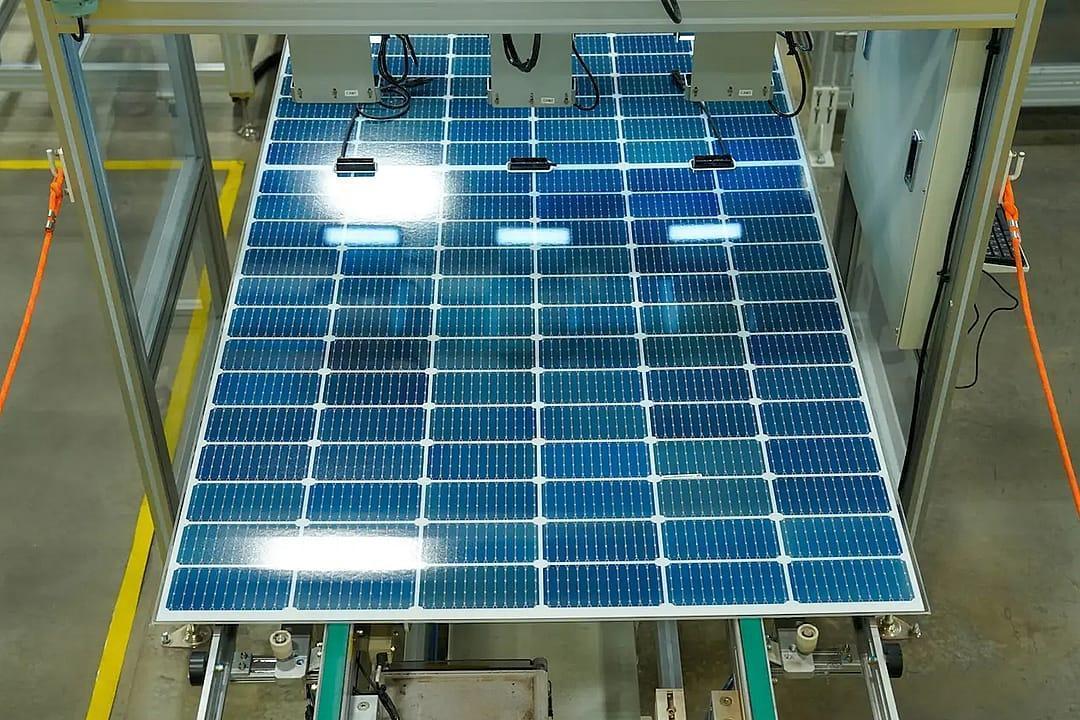
The U.S. solar industry is navigating political setbacks while pursuing growth in power generation and domestic manufacturing. Tim Pawlenty, the new head of the Solar Energy Industries Association and a former Republican governor, says the industry’s Washington influence has weakened after the rollback of clean-energy incentives, but argues strong electricity demand and solar’s expanding role give it a case to make to policymakers. In Georgia, Qcells is expanding production to cover the full solar-panel supply chain, as new U.S. tariffs and import-price rules aim to counter China’s manufacturing dominance; industry figures warn that shifting government policies have made investment difficult. A separate survey in New Zealand found broad political support for household solar despite wider party divisions over climate and energy policy.
Key Points
1
Qcells’ Cartersville expansion is a $2.5 billion project involving 3.5 million gallons of water, 90 megawatts of power and 60 tons of chemicals on site, illustrating the scale of infrastructure needed to make solar cells domestically.
2
Qcells, a South Korean company, has said U.S. tax-credit incentives in the 2022 Inflation Reduction Act were a major reason it built its Cartersville plant.
3
In New Zealand, National, Labour, Opportunity and the Greens have supportive household-solar policies; the article says lobbying and soaring energy prices amid the cost-of-living crisis helped push most parties to adopt a solar policy.
4
The New Zealand article puts energy’s contribution at 38% of national greenhouse-gas emissions, with about half of that from transport and another 16% from electricity generation.
Sentiment
Mostly NegativeNEGATIVENEUTRALPOSITIVE
Publishers
7
Articles
40
Reach
47
A
AnonymousAuthor


