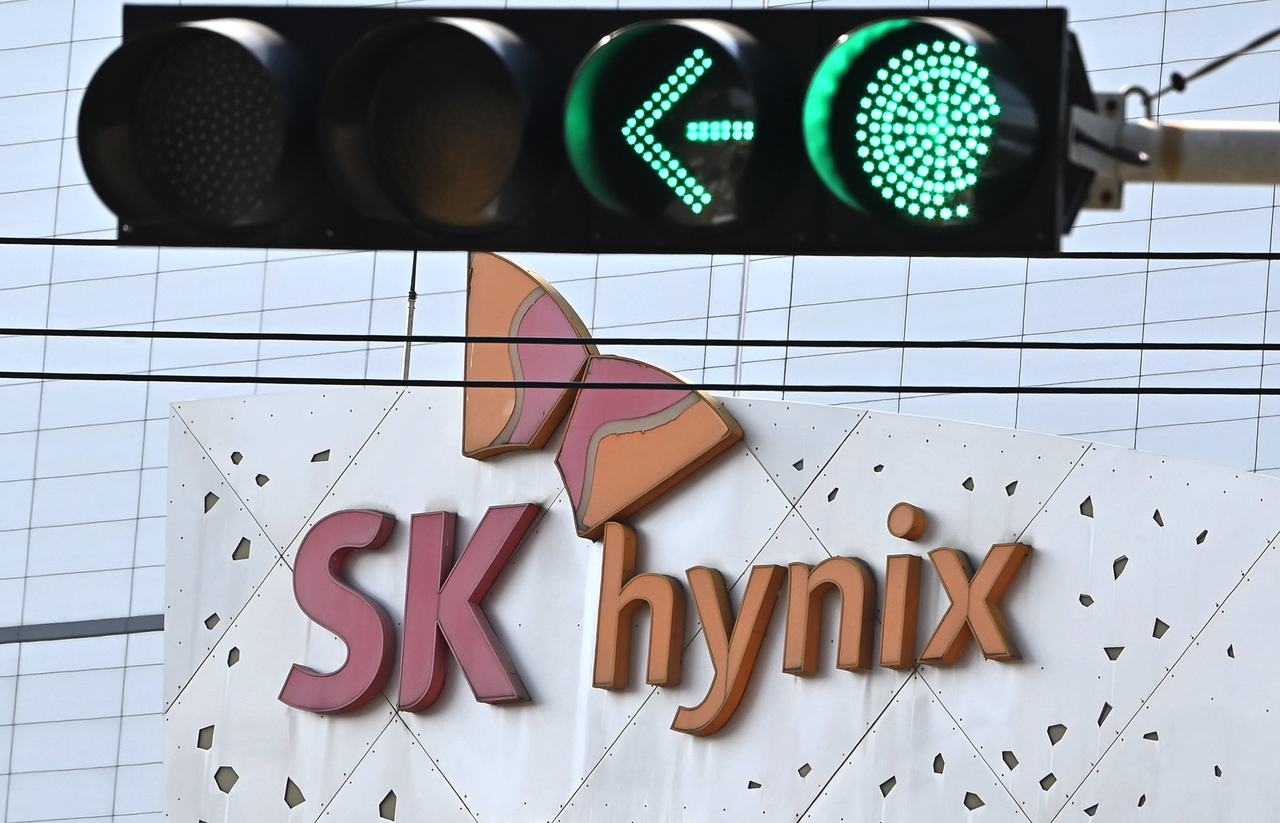
SK hynix 16-Layer HBM4
SK hynix secures a manufacturing lead by shipping 16-layer HBM4 memory for Nvidia processors.
Anonymous
Key Points
1
The 16-layer HBM4 stack offers 48 gigabytes of capacity, compared with 36 gigabytes in the 12-layer version—a 33% increase per memory placement. The denser design requires thinner dies and tighter spacing, making it substantially more difficult to manufacture.
2
Micron has been producing 12-layer HBM4 for Nvidia’s Rubin processors in high volume since March and has sent 48-gigabyte, 16-layer samples to customers, but it has not announced volume production of the taller configuration.
3
SK hynix held roughly 58% of the HBM market in the first quarter of 2026, compared with Micron’s 21%, according to the analysis. The company also reported second-quarter revenue growth of 257% year over year and an operating margin of about 76%.
4
SK hynix had crossed a $1 trillion market value by mid-summer and listed American depositary receipts on Nasdaq, expanding its access to U.S. investors.
5
GuruFocus rated SK hynix’s financial strength 9 out of 10 and its overall GF Score 69 out of 100, while noting that its price-to-earnings ratio of 11.6 times exceeded its five-year median of 8.6 times.
SK hynix has reportedly begun mass-producing 48-gigabyte, 16-layer HBM4 memory chips for Nvidia's next-generation Rubin AI processors, according to Reuters. The milestone gives the South Korean chipmaker a significant manufacturing lead over Samsung and Micron, which have only qualified or sampled comparable products. The denser 16-layer design delivers 33% more capacity than the 12-layer version but requires thinner dies and tighter spacing, making it substantially harder to produce at scale.
SK hynix's dominance in high-bandwidth memory has fueled record financial results and market-value growth. The company held roughly 58% of the HBM market in the first quarter of 2026 and reported second-quarter revenue growth of 257% year over year, according to financial analysis. However, valuation debates persist: while SK hynix trades at a lower earnings multiple than Nvidia, GuruFocus characterizes the stock as materially overvalued relative to its estimated intrinsic value.
16-Layer HBM4 Marks Major Manufacturing Achievement
The 16-layer HBM4 stack offers 48 gigabytes of capacity per memory placement, up 33% from the 12-layer version's 36 gigabytes. Achieving this density requires significantly tighter tolerances. Thinner dies must stack in closer proximity, making yield rates—the percentage of chips that work correctly—a critical competitive factor. SK hynix's successful mass production demonstrates superior manufacturing capability in an increasingly demanding segment.
Micron's HBM4 Progress Lags Behind SK Hynix
Micron has been producing 12-layer HBM4 memory for Nvidia's Rubin processors in high volume since March, according to industry reports. The company has sent 48-gigabyte, 16-layer samples to customers but has not announced volume production of the taller configuration. This gap highlights the difficulty of scaling up advanced memory production—sampling and high-volume manufacturing represent vastly different challenges.
Market Dominance Lifts SK Hynix's Financial Performance
SK hynix commanded roughly 58% of the global HBM market in the first quarter of 2026, compared with Micron's 21%, according to available data. This leadership position translated to extraordinary financial results: the company reported second-quarter revenue growth of 257% year over year and an operating margin of approximately 76%. SK hynix also crossed a $1 trillion market value by mid-summer and listed American depositary receipts on Nasdaq, expanding its access to U.S. investors.
Valuation Diverges Between Analysts and Sentiment Models
Investment outlooks for SK hynix remain split. Comparisons favor Nvidia on profitability, media sentiment, and projected upside, while SK hynix trades at a lower earnings multiple than its historical average. GuruFocus rated SK hynix's financial strength 9 out of 10 but assigned an overall GF Score of 69 out of 100, noting that its price-to-earnings ratio of 11.6 times exceeded its five-year median of 8.6 times, suggesting overvaluation.
SK hynix and Samsung together represent a large share of South Korea's KOSPI benchmark index. Movements in the memory-chip sector therefore heavily influence the index and often reflect broader investor concerns about the sustainability of hyperscalers' AI infrastructure spending rather than evidence of financial contagion or systemic risk.
Sentiment
Mostly PositiveNEGATIVENEUTRALPOSITIVE
Publishers
28
Articles
37
Reach
65
A
AnonymousAuthor


