Pre-9/11 intelligence warnings revealed
CIA Releases Newly Declassified Briefs Highlighting Pre-9/11 Warnings on Osama bin Laden
Anonymous
Key Points
1
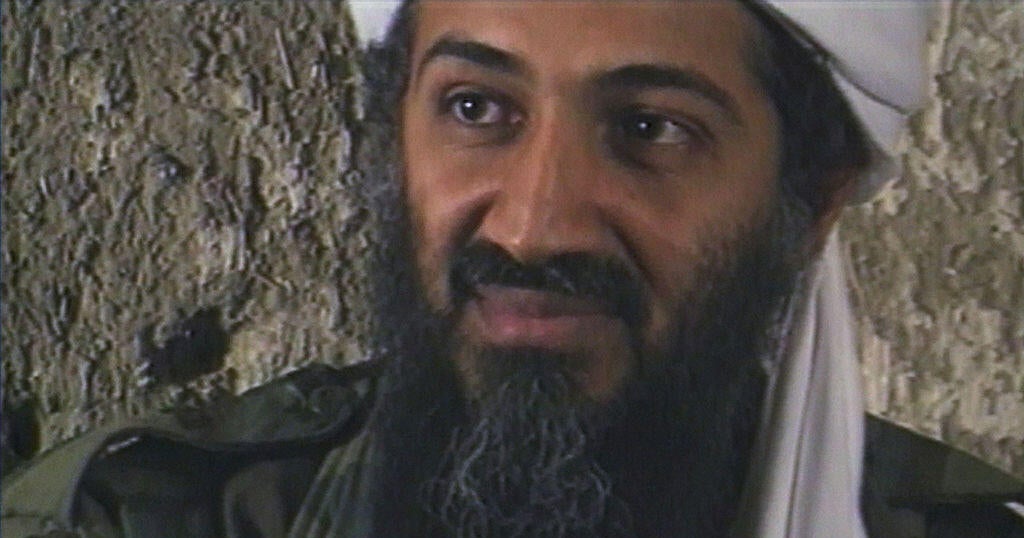
Osama bin Laden appeared in at least 18 editions of President George W. Bush’s Daily Brief in 2001, including seven delivered in the weeks before the Sept. 11 attacks.
2
The 1998 intelligence report indicated that Washington, D.C., was among the locations that could be threatened, even though it did not identify a specific target or operational plan.
3
The 9/11 Commission had previously referred to the 1998 warning but had not disclosed that it was prepared for the president’s own briefing stream.
4
Former acting CIA Director Michael Morell said the documents demonstrated that the agency had provided “long and loud strategic warnings” that the Clinton and Bush administrations failed to act on.
5
The released collection also includes a separate intelligence report drafted in the pre-dawn hours of Sept. 12, 2001, extending the record beyond the warnings issued before the attacks.
The CIA released 71 President's Daily Briefs spanning February 1998 through September 12, 2001, with 69 documents never before made public. CBS News reported the collection includes stark warnings that Osama bin Laden and al-Qaeda planned to attack U.S. targets. A September 10, 1998 assessment warned they might fly an "explosive-laden plane" into an American city. The documents reveal U.S. intelligence repeatedly flagged al-Qaeda as a serious threat but could not pinpoint specific targets, timing, or operational details of the 9/11 plot that killed nearly 3,000 people.
Bin Laden appeared in at least 18 editions of President George W. Bush's Daily Brief in 2001 alone, including seven delivered in the weeks before the attacks. KEYT reported the CIA declassified over 100 pages of briefing papers given to Presidents Clinton and Bush about the al-Qaeda threat. Former acting CIA Director Michael Morell said the documents proved the agency had provided "long and loud strategic warnings" that both administrations failed to act on.
Three Years of Escalating Threat Signals
The 1998 intelligence report warned that bin Laden's group could target Washington, D.C., though it did not specify exactly how or when. Daily Wire noted the CIA's analysis identified al-Qaeda as a growing danger three years before the attacks. The briefings showed that U.S. intelligence tracked bin Laden's intentions and capabilities over time. However, each warning lacked confirmed operational details—no exact date, target, or method.
A July 24, 2001 brief warned of an expected imminent operation that had been postponed. It cautioned that other attacks could still be underway. This signal came less than seven weeks before 9/11 but remained vague about what was planned, where, or how it would unfold. The uncertainty persisted even as concern climbed.
Why Intelligence Warnings Did Not Stop the Attacks
The core problem: U.S. intelligence identified al-Qaeda's intent and growing capability but lacked actionable details. Officials could not confirm whether reported threats meant imminent attacks, deception, or longer-term ambitions. No single agency had enough authority or information to force decisive action. Strategic warning—the broad recognition of danger—is not the same as tactical intelligence pinpointing when and where an attack will occur.
Even accurate threat identification could not be translated into coordinated defensive measures. Different reports about bin Laden's intentions, locations, and plans were often assessed within separate organizational boundaries. Information did not flow freely between agencies. The missing link was not the absence of warning signals, but the inability to connect scattered pieces of intelligence into a complete, actionable picture.
How 9/11 Reshaped U.S. Intelligence Operations
The attacks proved that individually incomplete signals become highly significant when linked across agencies and over time. This insight drove major reforms after 2001. The government created the Director of National Intelligence in 2004 to improve information-sharing. Agencies began emphasizing centralized counterterrorism analysis and breaking down internal information barriers. The lesson: fragmented intelligence can be dangerous intelligence.
Documents later recovered from bin Laden's compound provided further insight into al-Qaeda's leadership, communications, and strategy. Analysts could then understand what the earlier briefs had only partially captured. The declassified briefings now offer a rare window into what two presidents knew and when they knew it—and illuminate the gap between warning and prevention.
Sentiment
Mostly NegativeNEGATIVENEUTRALPOSITIVE
Publishers
74
Articles
252
Reach
326
Topics
A
AnonymousAuthor


