Systemic Triggers in Alzheimer's
New Research Reveals T Cells Outside the Brain Drive Alzheimer's Damage
Anonymous
Key Points
1
T cells that accumulate in Alzheimer’s brains are guided by signals from lymph nodes outside the brain; blocking these external instructions dramatically mitigates neurodegeneration, offering drug targets that may not require crossing the blood-brain barrier.
2
A WashU-led study emphasizes Alzheimer's as a systemic condition, with Hao Hu noting that the disease affects the brain but the whole body is involved, urging researchers to consider outside-body factors.
3
The research also notes there are already approved T-cell–manipulation therapies for other diseases, suggesting these external-signal targets could be repurposed to slow Alzheimer's without needing CNS entry.
4
In APOE4 carriers, 44 genes linked to Alzheimer’s biology were identified, with strong signals coming from oligodendrocyte- and myelin-related genes that could inform protective strategies and new drug targets.
5
Public-health messaging in Malaysia emphasizes starting brain-healthy habits early, linking heart and brain health, and highlighting the impact of dementia on families and caregivers.
Scientists have found that immune cells driving Alzheimer's damage originate outside the brain, opening new treatment paths that don't require crossing the protective blood-brain barrier. Technology Networks reports that researchers at Washington University discovered T cells accumulate in Alzheimer's brains after receiving signals from lymph nodes elsewhere in the body. Blocking these external instructions dramatically reduced neurodegeneration in studies, suggesting drug makers could repurpose existing immune therapies.
The research reframes Alzheimer's as a whole-body disease rather than a brain-only problem. Hao Hu, a lead researcher, emphasizes that while Alzheimer's affects the brain, "the whole body is involved." This systemic view opens earlier intervention windows — Yahoo News reports that structural brain changes can begin seven or more years before current imaging detects them, potentially allowing prevention before damage becomes visible.
T Cells Get Their Marching Orders From Outside
Alzheimer's immune activity isn't confined to the brain. Technology Networks found that T cells accumulate in Alzheimer's brains because lymph nodes send chemical signals telling them where to go. When researchers blocked these external instructions, neurodegeneration dropped sharply. "We don't need to cross the blood-brain barrier," the findings suggest. This changes drug strategy entirely.
The discovery is practical: approved T-cell therapies already exist for other diseases. These treatments manipulate immune signals without entering the brain itself. Researchers believe they could be repurposed to slow Alzheimer's by cutting off the "go to the brain" signal at its source — in the body, not the head.
Brain Changes Start Years Before Doctors Can See Them
Structural brain shrinkage linked to Alzheimer's begins more than seven years before standard imaging can detect it, according to Yahoo News and Newsweek. This gap between onset and detection offers a critical window for prevention. Early intervention — before visible damage appears — could potentially stop or slow the disease before symptoms emerge.
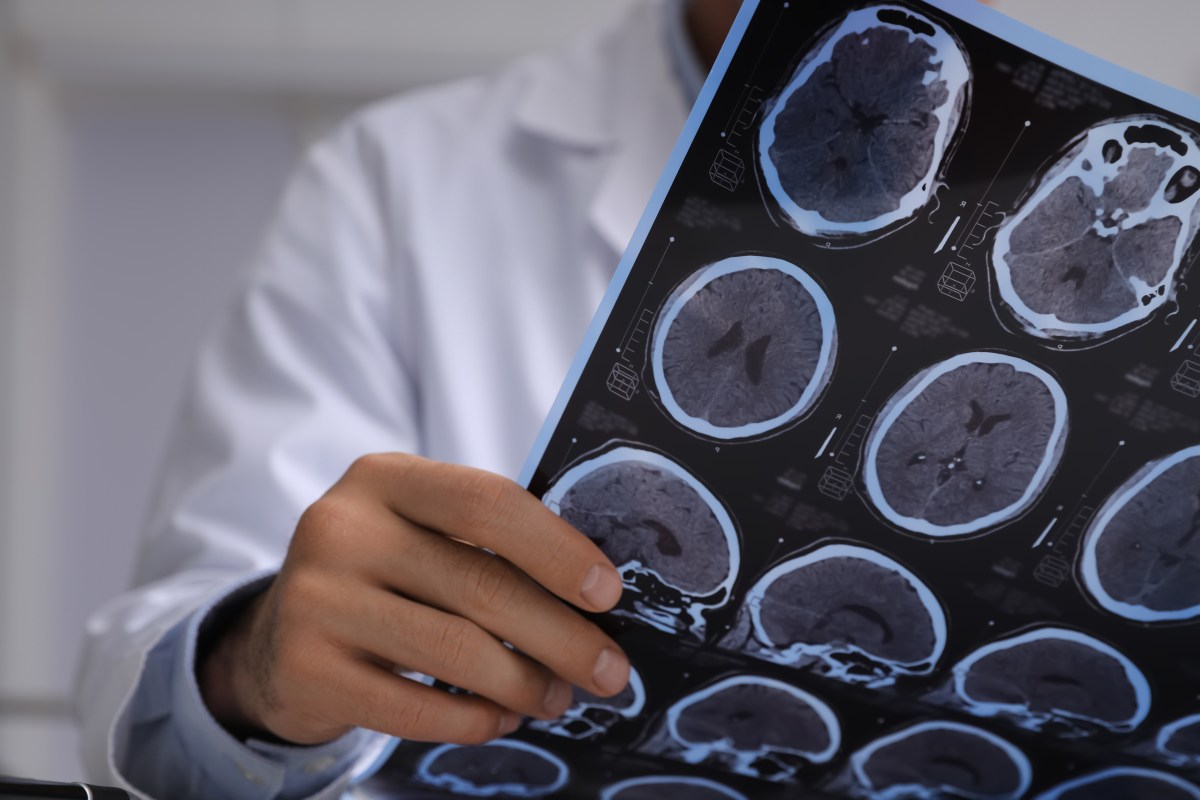
Brain tissue loss patterns visible on MRI scans may now help predict how fast Alzheimer's will progress, Knowridge reports. Doctors could use these patterns to identify high-risk people earlier and tailor treatment intensity accordingly.
Genetic Risk Is Complex — But Actionable
APOE4 gene carriers face higher Alzheimer's risk, but the picture is more complex than once believed. Washington University researchers identified 44 genes linked to Alzheimer's biology in APOE4 carriers. Strong signals came from genes controlling oligodendrocytes and myelin — the brain's insulation. Understanding these pathways could unlock new drug targets.
Dozens of genes influence Alzheimer's risk and protection mechanisms. This complexity means personalized approaches could work better than one-size-fits-all drugs. Researchers are mapping which genes protect some carriers while putting others at danger.
Prevention Starts With Heart-Healthy Choices Today
Public health campaigns increasingly link heart and brain health. Malaysian health messaging emphasizes starting brain-healthy habits early — exercise, diet, sleep, and stress management protect both organs. What's good for your heart protects your brain.
Dementia's impact extends beyond patients to families and caregivers. Early prevention through lifestyle choices may reduce this burden significantly. The research suggests that waiting for symptoms is too late — protection must begin years or decades earlier.
Sentiment
Mostly NegativeNEGATIVENEUTRALPOSITIVE
Publishers
14
Articles
10
Reach
24
Topics
A
AnonymousAuthor


