Housing Costs Strain Households
Housing Affordability Crisis Deepens Across the United States and Canada Amid Rising Costs
Anonymous
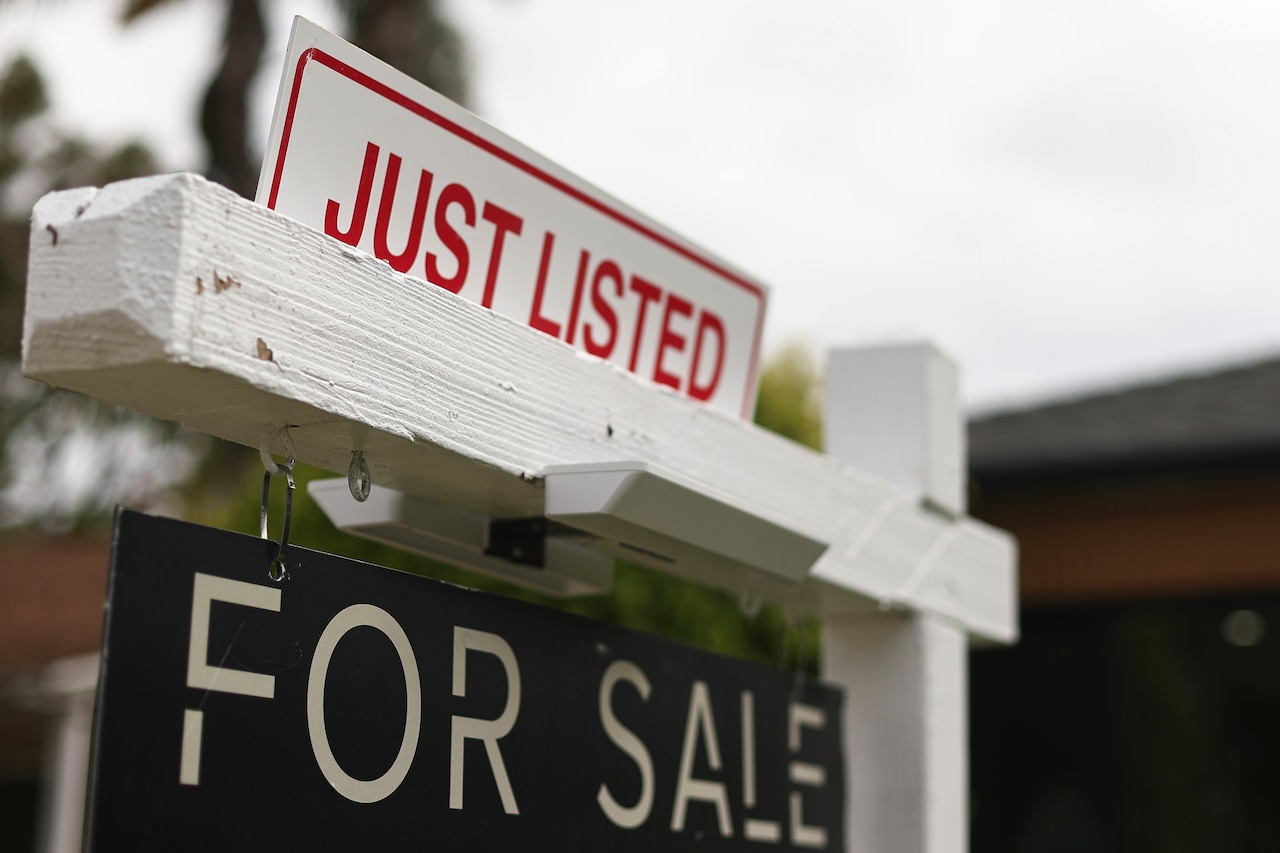
Housing affordability pressures are intensifying across the United States and Canada, with more households cutting spending or falling behind on payments. A LendingTree survey found that 59% of U.S. mortgage holders considered themselves “house poor,” while half reported missing or not making a full mortgage payment at least once during the previous year; rising property taxes, escrow shortages and insurance costs were major contributors, particularly for younger homeowners. Urban Institute research found that about one in five working-age U.S. renters struggled to pay rent in 2025, the highest rate recorded, with middle-income renters seeing the sharpest deterioration as their rate rose from 14.3% in 2024 to 21.6%; lower-income renters remained the most vulnerable at 27.8%. Rising rents, food, utilities, transportation and other essential costs, along with the expiration of pandemic-era assistance, contributed to the strain, while middle-income households remaining in the rental market increased competition for moderately priced units. In Canada, 23.2% of households lived in unaffordable housing in 2024, and 27.9% reported financial difficulties caused by rent or mortgage increases; Saskatchewan and Alberta each recorded core housing need rates of 13%.
Key Points
1
The LendingTree survey found that 50% of mortgage holders had seen their payments rise over the previous two years, including 22% who described the increase as significant. Gen Z homeowners were especially affected: about 81% considered themselves house poor, compared with 59% of millennials.
2
The Urban Institute found that the affordability trend was specific to renters: homeowners’ ability to afford mortgage payments had remained broadly steady for seven years, while the share of renters reporting that they were behind on rent had risen since 2022.
3
The share of working-age renters struggling with payments rose nearly 17% from 2024 to 2025, reaching the highest level recorded since the Urban Institute began its Well-Being and Basic Needs Survey in 2019; researchers linked the deterioration partly to the expiration of pandemic-era government support programs.
4
A separate Primerica survey found that 71% of middle-income Americans believed their income was not keeping pace with the cost of living, 66% had little or no budgetary flexibility, and more than half had stopped saving for the future.
5
Housing accounted for an average 33.4% of total consumer expenditures, according to the Bureau of Labor Statistics, underscoring how the rising cost of shelter is affecting household budgets beyond those reporting missed rent or mortgage payments.
Sentiment
Mostly NegativeNEGATIVENEUTRALPOSITIVE
Publishers
18
Articles
61
Reach
79
A
AnonymousAuthor


