White House Media Ban
President Trump Bars Major News Outlets From White House Access
Anonymous
Key Points
1
MS NOW reporter Akayla Gardner said her White House badge was disabled after she passed two security checkpoints; a producer’s badge still worked, allowing the producer to enter while Gardner was barred.
2
Politico editor-in-chief Jonathan Greenberger said Secret Service confiscated reporter Cheyenne Haslett’s access pass and pledged that the outlet would “vigorously defend our First Amendment rights.”
3
Trump’s action echoes his 2018 attempt to revoke CNN correspondent Jim Acosta’s press credentials; a federal judge ruled that the revocation lacked fundamental due process.
4
The announcement followed Trump’s February 2025 decision to exclude Associated Press journalists from the Oval Office, Air Force One and smaller events after AP declined to adopt his preferred name, “Gulf of America,” for the Gulf of Mexico.
5
Trump specifically accused Politico of being kept alive by what he described as an “illegal” $8 million federal subscription purchased during the Biden administration, an allegation he cited as evidence of corruption.
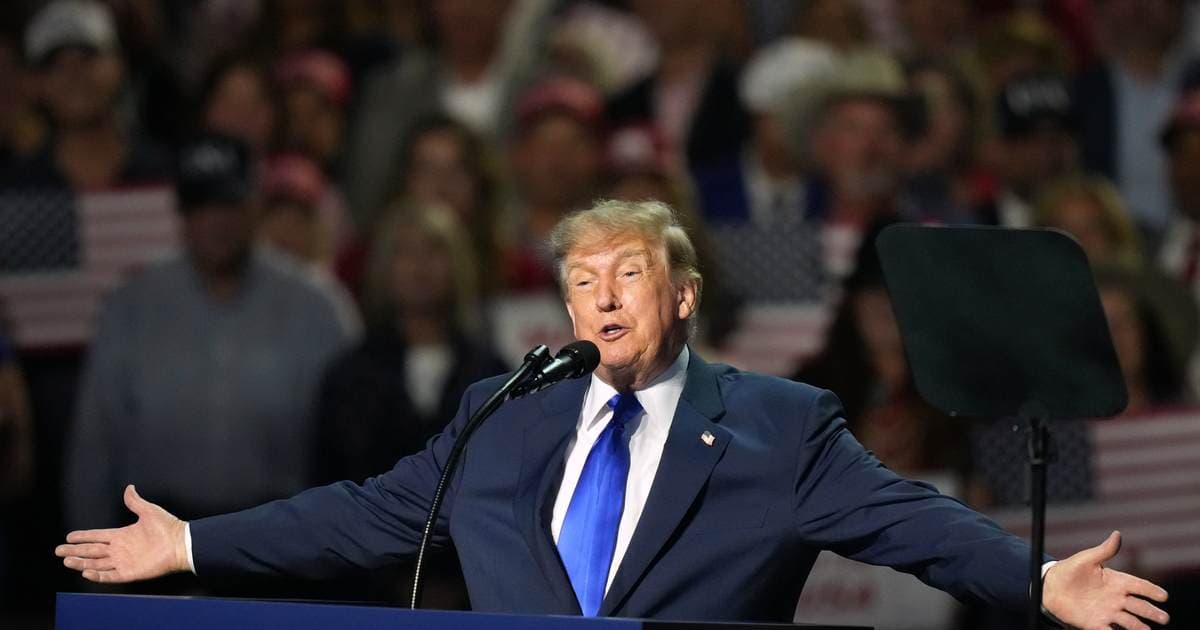
President Trump banned CNN, MS NOW, and Politico from the White House on Friday, September 18, accusing them of publishing "fake news" and "fiction." WZZM13 The next morning, reporters from all three outlets were turned away at security checkpoints, with their credentials deactivated or confiscated. The move reignites Trump's conflict with the press and raises sharp legal questions about whether a president can exclude entire newsrooms from presidential coverage.
The outlets vowed to fight back in court. Editor and Publisher Politico editor Jonathan Greenberger pledged the newsroom would "vigorously defend our First Amendment rights," while legal experts called the ban "textbook viewpoint discrimination" and "flatly unconstitutional." KRDO The action echoes Trump's 2018 attempt to revoke CNN's Jim Acosta's credentials—a move a federal judge blocked as lacking due process.
How the Ban Unfolded at the Gates
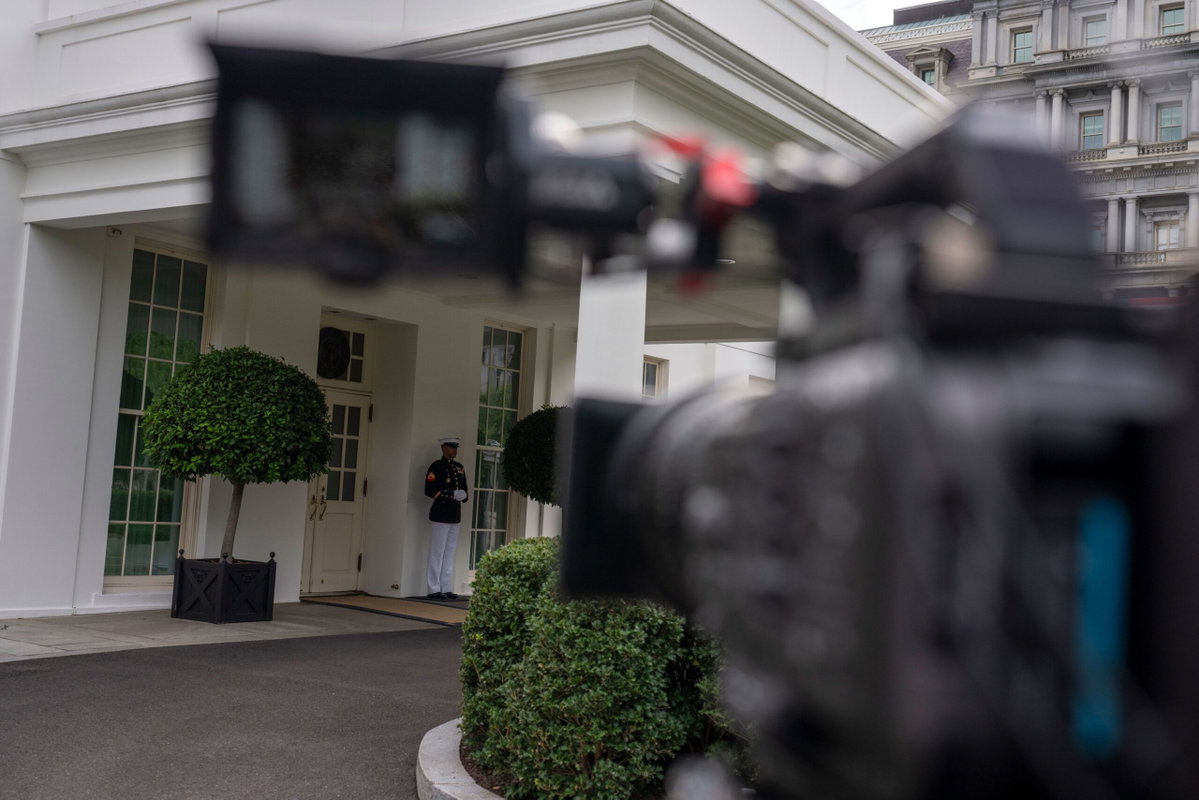
On Saturday morning, the White House enforced Trump's order within hours of his announcement. MS NOW reporter Akayla Gardner's badge was disabled at a security checkpoint after she passed two earlier gates. A Secret Service officer told her the decision was "above" his authority. Politico reporter Cheyenne Haslett had her access pass physically confiscated by agents.
Notably, Gardner's producer's badge continued to work, creating an awkward split where the producer could enter while the reporter was barred. This patchwork enforcement raised questions about how systematically the White House was implementing the ban and whether credentials would be restored or permanently revoked.
Trump's Accusation That Politico Relied on Illegal Funding
Trump singled out Politico, alleging it survived only through what he called an "illegal" $8 million federal subscription purchased during the Biden administration. He presented this as evidence that the outlet was corrupted by government money and thus untrustworthy. The claim tied the ban to a broader argument that these outlets operated under political influence rather than journalistic independence.
Trump told staff in the Oval Office the decision stemmed from "cumulative stories of the last two years" of negative coverage. He denied trying to intimidate journalists, saying he simply "dislike[d] dishonest press." KESQ The framing pivoted from a single incident to a pattern of coverage he viewed as false.
The 2018 Acosta Case and Why This May Fail in Court
Eight years ago, Trump attempted to revoke CNN correspondent Jim Acosta's press credentials. A federal judge swiftly blocked it, ruling the revocation lacked "fundamental due process." Legal scholars said this precedent directly applies here—once the White House creates a press pool, it cannot strip access based on editorial viewpoint without following constitutional procedures.
First Amendment lawyers call the ban "textbook viewpoint discrimination." Under *Sherrill v. Knight*, a landmark case, the government cannot exclude journalists from a designated public forum simply because it dislikes their coverage. Bruce Brown, executive director of the Reporters Committee for Freedom of the Press, called the action "flatly unconstitutional." CNN, Politico, and MS NOW are expected to file emergency lawsuits within days.
What This Means for Trump's War on Press Access
This is Trump's latest escalation in a broader assault on news organizations. In February 2025, he excluded the Associated Press from the Oval Office and Air Force One after AP refused to rename the Gulf of Mexico the "Gulf of America" on maps. A federal court ruled in AP's favor, though an appeals court later stayed the decision.
White House Correspondents' Association president Jacqui Heinrich warned the move sets a dangerous precedent: "A standard used to exclude one news outlet because of its coverage could be applied to any outlet in the future." NY Post The action also disrupts the traditional five-network TV pool (CNN, MS NOW, CBS, NBC, Fox News) that rotates coverage of presidential movements and events.
Sentiment
Mostly NegativeNEGATIVENEUTRALPOSITIVE
Publishers
65
Articles
450
Reach
515
A
AnonymousAuthor