Mideast Tensions Hit European Markets
European Shares Post Biggest Drop Since March as Middle East Tensions Escalate
Anonymous
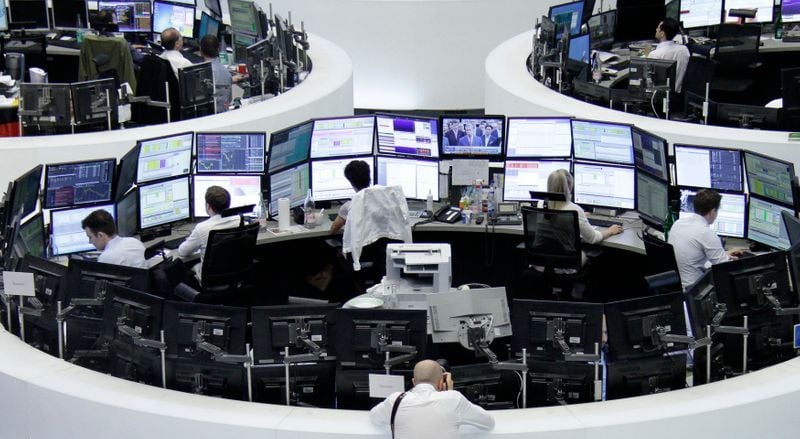
European stocks suffered their worst single-day loss since mid-March on Wednesday, as U.S. President Donald Trump cast fresh doubt over peace prospects in the Middle East. The pan-European STOXX 600 index fell 1.8%, hitting its lowest point in a week, according to Market Screener.
Spain's IBEX index took the hardest hit among major European markets, dropping 2.7% in a single session. The sell-off wiped out gains investors had built up in recent days on hopes of softer inflation and an end to rate hikes, Idaho Statesman reported.
Trump's Middle East Threat Sparks Immediate Market Panic
Trump's comments reignited fears that the Middle East conflict could escalate further. Investors had grown cautiously optimistic in recent days. Those hopes evaporated quickly on Wednesday. The remarks rekindled worries about oil supply disruptions and rising inflation, according to Miami Herald.
Iran and the U.S. had also exchanged strikes, adding to the unease. Geopolitical risk is one of the fastest ways to spook financial markets. When oil supply looks threatened, stock prices tend to fall fast. That is exactly what happened across European trading floors on Wednesday.
Spain's IBEX Leads European Losses at 2.7% Drop
Spain felt the pain more than most. The IBEX index fell 2.7%, one of the sharpest single-day drops among major European benchmarks. Basic resources and construction and materials stocks led the decline, according to The Ledger-Enquirer.
Those two sectors are sensitive to oil prices and global demand. When energy costs rise, construction materials cost more to produce and ship. Companies in these sectors saw their share prices tumble as traders priced in higher costs ahead.
Investors Lose Confidence After Days of Cautious Optimism
Just days before the sell-off, European investors had felt relatively comfortable. Signs of softer inflation had given markets a boost. Hopes grew that central banks might pause or slow their rate hikes. That mood shifted sharply on Wednesday, Kentucky reported.
Rate hikes are increases in borrowing costs set by central banks. They are used to fight inflation but also slow economic growth. When investors think hikes are ending, stocks tend to rise. Wednesday's events reversed that logic, sending the STOXX 600 to its lowest level in seven days.
Oil Price Fears Put Inflation Worries Back on the Table
The biggest concern driving the sell-off was oil. Any conflict in the Middle East raises the risk of supply cuts. Higher oil means higher energy costs. Higher energy costs push inflation up. That chain reaction is what investors feared most on Wednesday, according to News Observer.
Europe imports a large share of its energy. It is especially vulnerable to price spikes caused by Middle East instability. The 1.8% drop in the STOXX 600 reflects how quickly that vulnerability can translate into market losses when geopolitical tensions flare up, BND reported.
Sentiment
NeutralNEGATIVENEUTRALPOSITIVE
Publishers
13
Articles
79
Reach
92
Topics
A
AnonymousAuthor


