Tennis Revenue Protests End
Tennis players end public protests following the creation of a new Grand Slam council.
Anonymous
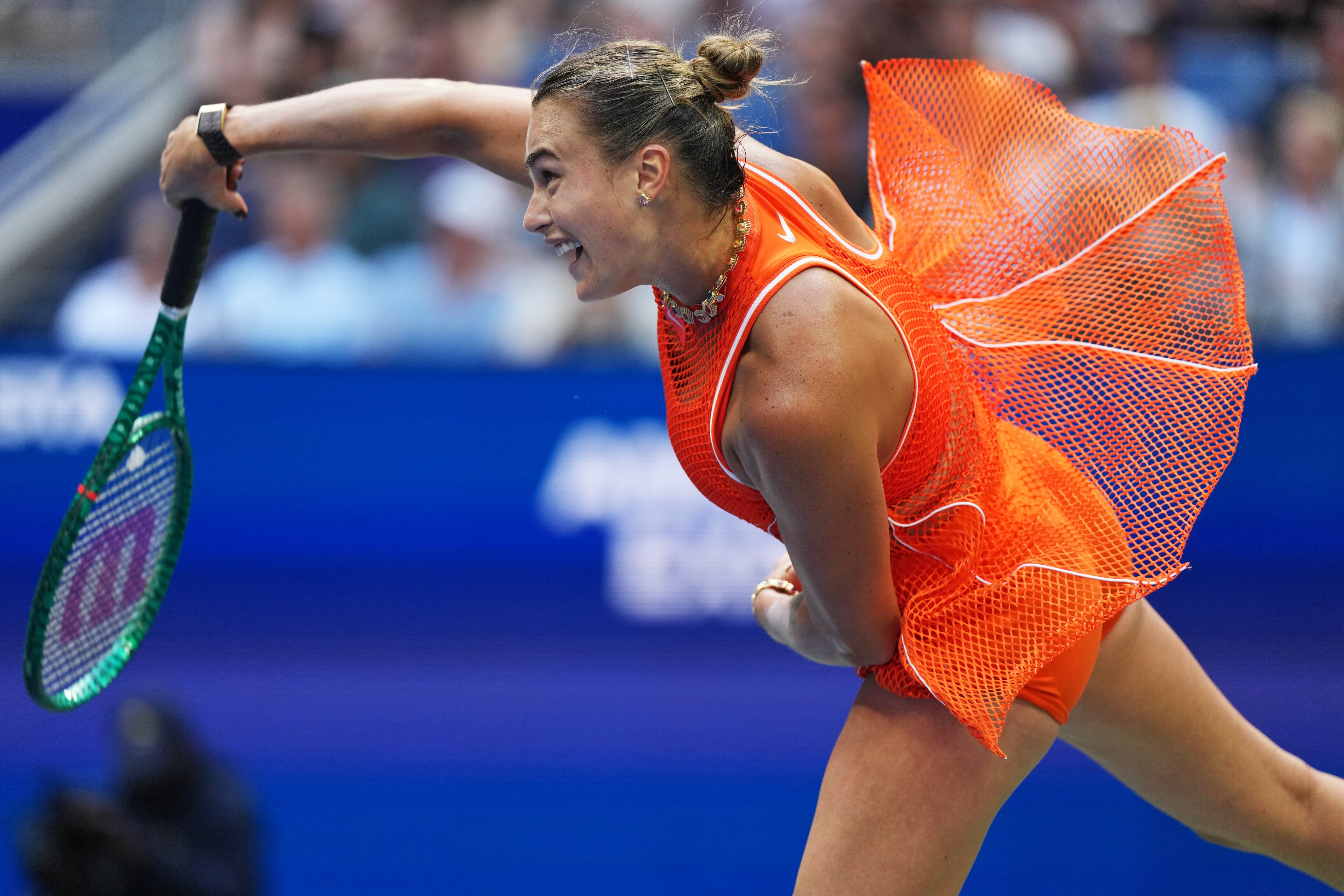
Top tennis players have decided to stop publicly protesting for higher prize money now that the Grand Slams have created a direct negotiating channel. Yahoo Sports reports that players, who previously demanded 22% of tournament revenues, will take their demands behind closed doors through a new Grand Slam Player Advisory Council formed by the Australian Open, French Open, Wimbledon, and U.S. Open.
Players had limited media appearances at recent tournaments as a protest tactic. They sought not just bigger payouts but also better health benefits, pensions, and stronger representation in how the sport operates.
Players End Public Pressure Campaign
Tennis stars who staged limited media appearances at the French Open and Wimbledon have now agreed to halt public demonstrations. Yahoo Sports states that the shift comes after tournament organizers announced the new advisory council. This gives players a formal seat at the table to discuss financial matters without going to the press.
What Players Have Been Demanding
The fight centers on money sharing. Players asked for 22% of Grand Slam tournament revenues — a significant increase from current payouts. Beyond prize money, players want better pension plans, improved health coverage, and a genuine voice in how tournaments run. Stamford Advocate notes these demands span both financial and quality-of-life issues.
A New Negotiating Structure Takes Shape
The Grand Slam Player Advisory Council represents a major shift in how tennis organizes player relations. Rather than dispute playing out in headlines, talks now happen in private meetings between the council and tournament organizers. Las Vegas Sun reports this gives players formal representation without the public standoff that had marked earlier negotiations.
Why Players Stopped Going Public
Creating an official channel shifted the strategy. When players had no formal seat, public pressure was their main tool. Now that tournaments have created the council, players believe private negotiation will be more effective. By stepping back from media tactics, they hope to build trust with organizers and reach real agreements.
Sentiment
NeutralNEGATIVENEUTRALPOSITIVE
Publishers
14
Articles
13
Reach
14
A
AnonymousAuthor


