AI Fuels Kospi's Record Surge
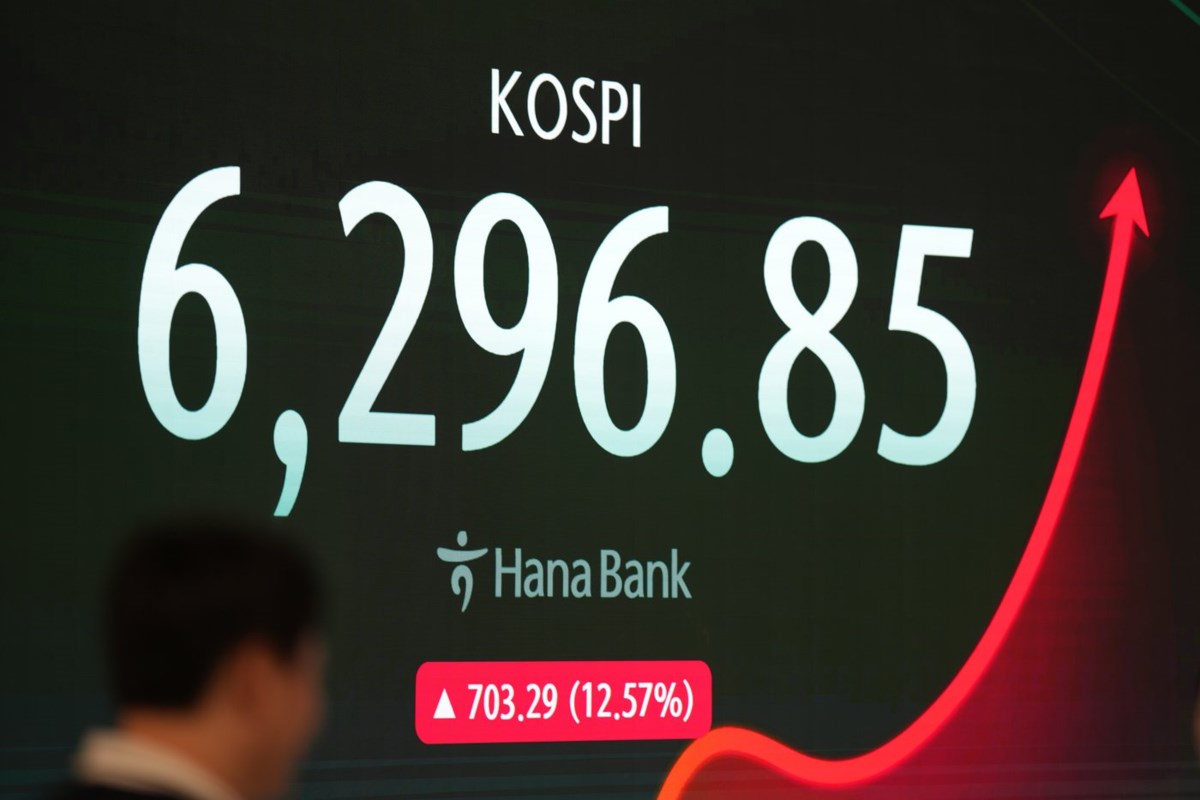
Kospi Surges Nearly 18% in Historic AI-Fueled Rally, Led by Foreign Investment in Tech Shares
Anonymous
Key Points
1
Buy-side circuit breakers were triggered just six minutes into the trading session on both the KOSPI and KOSDAQ as buying pressure surged.
2
Retail investors net sold a record 8.25 trillion won on the main KOSPI, with Nextrade pushing total retail net selling to 8.28 trillion won, while foreigners net bought about 7.24 trillion won.
3
SK hynix hit the upper trading limit for the first time during the session, while Samsung Electronics surged intraday by up to 28.99% and closed about 26.81% higher.
4
Leveraged ETFs tied to SK hynix surged, with the SOL SK hynix Single-Stock Leverage ETF up 59.93% to close at 9,260 won.
5
Microsoft’s stock jumped 15.5%, marking its best trading day in nearly 18 years and reinforcing investor optimism that AI infrastructure spending is translating into profits.
South Korea's Kospi index surged nearly 18% on July 31, 2026, closing at roughly 6,595–6,695 — its biggest single-day gain ever, according to St. Albert Gazette. The jump ended a brutal multi-day sell-off and was powered by massive buying in chipmaking stocks tied to artificial intelligence.
Samsung Electronics closed about 26.81% higher, while SK Hynix hit its upper trading limit for the first time in the session, according to Airdrie City View. The rally came after Microsoft reported blockbuster earnings, sparking optimism that AI spending is finally paying off.
Microsoft Earnings Spark a Global Tech Explosion
The rally started in the United States. Microsoft's stock jumped 15.5% — its best trading day in nearly 18 years. Investors took that as proof that huge AI infrastructure spending is turning into real profits. That optimism spread fast to Asian markets, especially South Korea, which is home to the world's biggest memory chipmakers.
Samsung Electronics surged as much as 28.99% intraday before closing up 26.81%, according to GuruFocus. SK Hynix, another global memory chip giant, hit the daily upper trading limit — the maximum allowed gain in a single session. Both companies supply critical chips for AI data centers worldwide.
Circuit Breakers Triggered as Buying Pressure Overwhelmed the Open
The buying was so intense that it tripped automatic safeguards. Buy-side circuit breakers — rules that pause trading when prices rise too fast — were triggered just six minutes into the session on both the Kospi and the smaller Kosdaq index. These are rare events, and they signal extreme market pressure.
Leveraged ETFs, which are funds designed to amplify daily price moves, went wild. The SOL SK Hynix Single-Stock Leverage ETF jumped 59.93%, closing at 9,260 won, according to GuruFocus. SK Group chairman Chey Tae-won's planned stake increase in SK Hynix also added fuel, lifting investor confidence in the stock.
Foreign Buyers Pour In While Korean Retail Investors Rush for the Exit
The two sides of this rally told very different stories. Foreign investors net bought about 7.24 trillion won — roughly $5 billion — in a single day, according to BigGo Finance. That is a record level of foreign buying for the Kospi in one session.
Meanwhile, South Korean retail investors ran the other way. They net sold a record 8.25 trillion won on the main Kospi, with total retail selling reaching 8.28 trillion won when smaller exchange Nextrade is included, according to BigGo Finance. This split — foreigners buying, locals selling — is a classic sign of fear among everyday investors even as professionals bet big on the rebound.
Analysts See AI Demand as a Real Driver, Not Just Hype
Despite the euphoria, the Kospi is still below its June 2026 peak. Volatility remains high, and several major stocks hit upper price limits during trading, which can mask true supply and demand. A single day of gains does not erase the losses that came before it.
Still, analysts say AI-driven demand for memory chips is a lasting force, not a short-term bounce. South Korea's chipmakers sit at the center of global AI supply chains. As long as companies like Microsoft keep spending heavily on data centers, demand for the chips Samsung and SK Hynix make is expected to stay strong, according to GuruFocus.
Sentiment
Mostly NegativeNEGATIVENEUTRALPOSITIVE
Publishers
32
Articles
132
Reach
164
A
AnonymousAuthor