Iran's Nuclear Shift
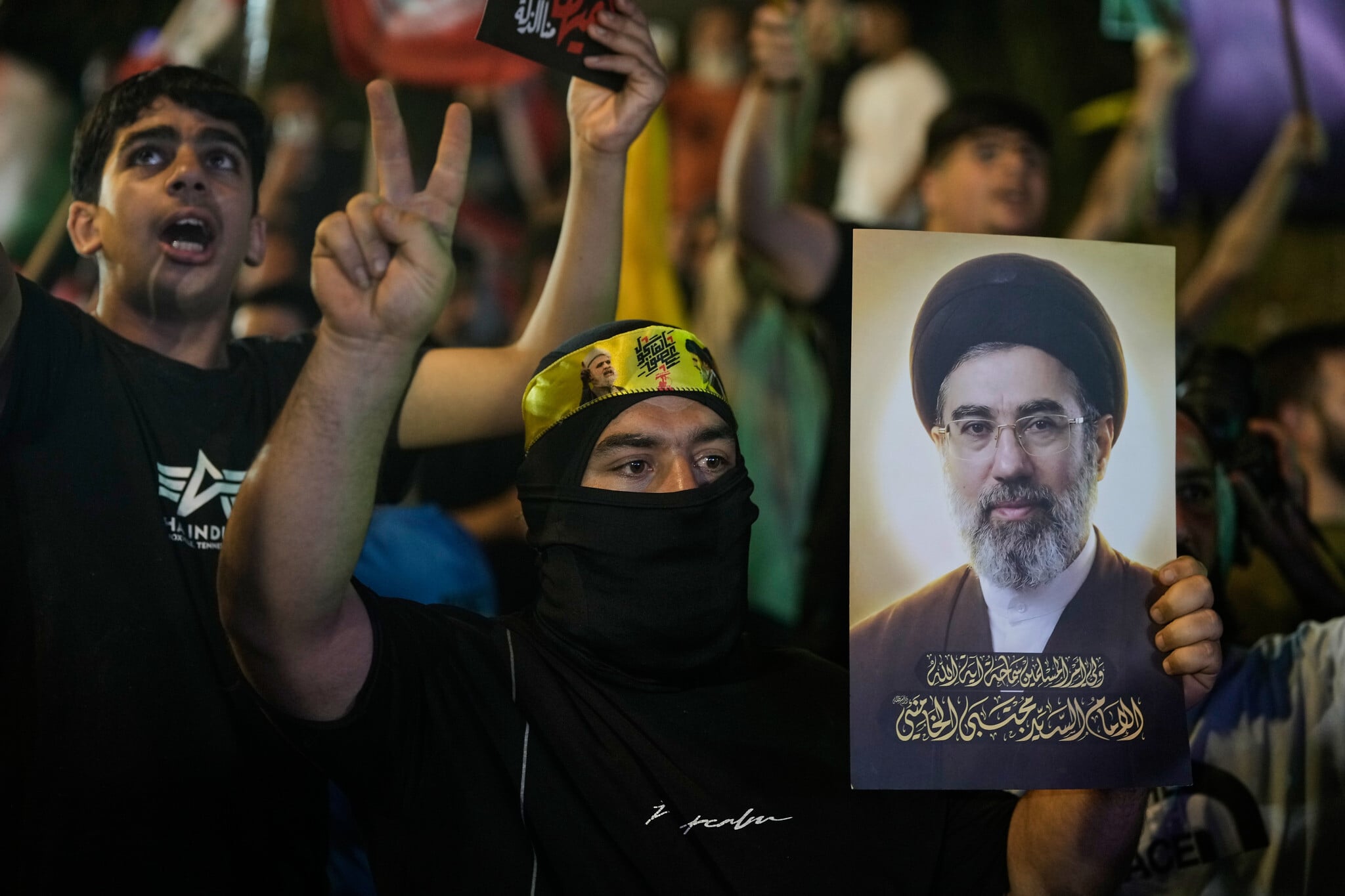
US Intelligence Reports Iran's New Leader Mojtaba Khamenei Pursues Nuclear Warhead
Anonymous
Key Points
1
Ali Khamenei issued a fatwa against nuclear weapons in the 1990s, a historical factor that helps explain Iran's long-standing hesitancy toward weaponization and a potential contrast with Mojtaba Khamenei's stated stance.
2
Mojtaba Khamenei is described as seeking a warhead that could eventually be miniaturized and mounted on a long-range missile, rather than pursuing a bomb that would be difficult to launch.
3
Ali Khamenei was killed by an Israeli strike at the war's start on February 28; Mojtaba Khamenei was wounded in the same strike and has not publicly appeared since.
4
U.S. intelligence notes that the new Iranian regime has asserted greater control over the Strait of Hormuz and is a tougher negotiating partner.
5
President Trump has discussed a 'massive attack' on Iran and signaled readiness to escalate, with briefings indicating Israel would likely not participate in the next phase.
U.S. intelligence has found that Iran's new Supreme Leader, Mojtaba Khamenei, is pursuing a nuclear warhead, according to The New York Times. The assessment marks a sharp shift from his father, Ali Khamenei, who publicly renounced nuclear weapons and issued a religious ruling against them in the 1990s.
Ali Khamenei was killed in an Israeli strike on February 28, at the start of the current conflict. His son Mojtaba was wounded in the same strike and has not appeared publicly since, according to Times of Israel.
From Fatwa to Warhead: A Sharp Policy Reversal
Ali Khamenei's fatwa — a religious ruling — banned nuclear weapons for decades. It was a key reason Iran stopped short of building a bomb, even as it enriched uranium. His son appears to hold no such restraint, according to Ynet News.
U.S. intelligence says Mojtaba Khamenei wants a warhead that can be miniaturized. The goal is to mount it on a long-range missile — not build a bomb that would be hard to deliver. That is a more advanced and more dangerous ambition than anything his father is known to have sought, according to Times of Israel.
Intelligence Built on Prewar Intercepts and Conversations
The assessment relies largely on intercepts and conversations gathered before the war began. Mojtaba Khamenei has been out of public view since being wounded on February 28. That makes fresh intelligence harder to collect, according to Newsmax.
Some analysts warn the findings could be used to justify further military escalation. Others note that competing narratives exist about Iran's true intentions. Still, U.S. officials say Mojtaba's regime is already a tougher negotiating partner — and has asserted firmer control over the Strait of Hormuz, according to Jerusalem Post.
Trump Weighs 'Massive Attack' as Talks Grow Harder
President Trump has discussed launching a 'massive attack' on Iran, according to Times of Israel. Briefings suggest Israel would likely not take part in the next phase of any strike. Trump has argued the new Iranian regime may be more open to weaponization and that the U.S. must act decisively.
The intelligence findings add pressure to ongoing nuclear negotiations. Iran's tighter grip on the Strait of Hormuz gives it leverage over global oil shipping. About 20% of the world's oil passes through that waterway. A nuclear-armed Iran would change the entire calculus of any future deal, according to Ynet News.
A Wounded Leader, an Uncertain Regime, a Dangerous Moment
Mojtaba Khamenei took power under extraordinary pressure. He was wounded on the very day he inherited leadership. He has not spoken publicly or been seen since February 28, according to Newsmax. That silence leaves much about his intentions open to interpretation.
What U.S. intelligence does say clearly: this is not his father's Iran. The new regime is harder to read, harder to negotiate with, and — if the assessment holds — actively chasing a nuclear warhead. For the region and the world, that combination is deeply unsettling, according to Jerusalem Post.
Sentiment
Mostly NegativeNEGATIVENEUTRALPOSITIVE
Publishers
12
Articles
6
Reach
18
A
AnonymousAuthor


