Pakistan Says Airstrikes Target Militants in Afghanistan
Pakistan Says Airstrikes Target Militants in Afghanistan
Anonymous
Key Points
1
Pakistani security sources identified the targets as hideouts of a Pakistani Taliban-linked coalition, Ittehad-e-Mujahideen Pakistan, led by Hafiz Gul Bahadur, who was described as having ties to al-Qaeda. The group claimed responsibility for the coordinated attack on a police headquarters that killed at least 22 people.
2
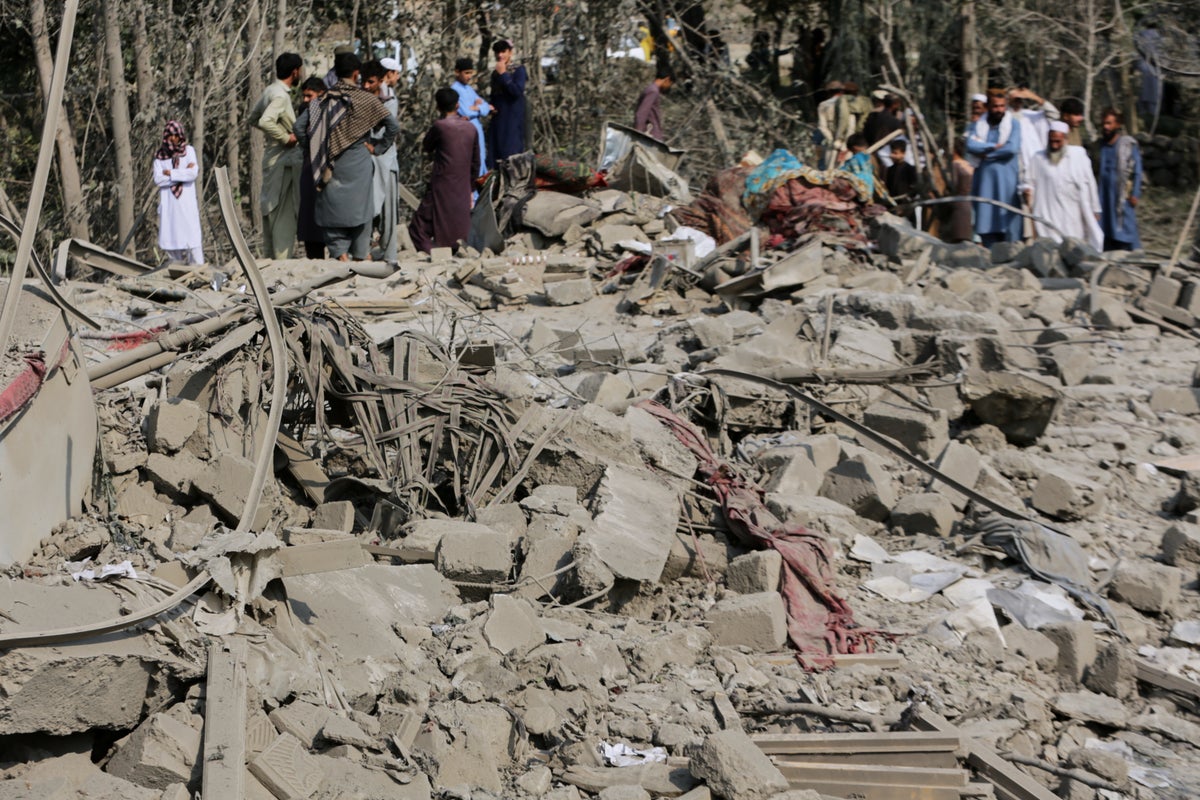
Afghan officials provided specific details about the civilian damage: a house in Pathan village in Kunar’s Nurgal district was destroyed, killing villager Noor Ahmad and two family members and injuring four others; strikes in Paktika damaged a shop and an empty house.
3
The escalation is occurring against a wider backdrop of strained relations: Pakistan has closed its border crossings with Afghanistan, severely affecting food and humanitarian supplies, and Pakistan’s defence minister declared an 'open war' with Afghanistan in February after an earlier wave of airstrikes.
4
Taliban spokesman Zabihullah Mujahid invoked Afghanistan’s right to self-defense, saying, “If Pakistan invokes Article 51 to violate the sanctity of Afghan territory, Afghanistan has the right to defend its country, and we will do so.” He also denied that the Taliban permits the Tehreek-e-Taliban Pakistan to recruit, train or operate from Afghan soil.
Pakistan conducted airstrikes against militant hideouts in eastern Afghanistan on September 20-21, claiming to have killed 28 suspected terrorists linked to cross-border attacks. Pakistani officials said the strikes targeted camps of Ittehad-e-Mujahideen Pakistan, a Taliban-linked coalition led by Hafiz Gul Bahadur, following deadly assaults that killed at least 21 people in Kohat and six security personnel in Hangu. Afghan authorities confirmed strikes in Kunar and Paktika provinces but reported civilian casualties — at least three deaths and four injuries — and condemned the operation as a sovereignty violation.
The escalation marks a dangerous spike in Pakistan-Afghanistan tensions. Afghan Taliban spokesman Zabihullah Mujahid warned that if Pakistan invokes self-defense rights under international law, "Afghanistan has the right to defend its country, and we will do so." Kabul denied harboring groups responsible for cross-border violence, while Pakistan has closed border crossings, severely restricting food and humanitarian aid flowing into Afghanistan.
Who Were the Targets and Why the Strikes Now
Pakistani security sources identified the targets as hideouts of Ittehad-e-Mujahideen Pakistan, a coalition of militant groups with ties to the banned Tehreek-e-Taliban Pakistan. According to reports, the group is led by Hafiz Gul Bahadur, described as having connections to al-Qaeda. The group claimed responsibility for a coordinated attack on a police headquarters in Kohat that killed at least 22 people, sparking Pakistan's military response.
Afghan Claims of Civilian Deaths and Destroyed Homes
Afghan officials provided specific details of civilian harm from the strikes. A house in Pathan village, Kunar's Nurgal district, was destroyed, killing villager Noor Ahmad and two family members. Four others were injured in the same strike. According to Kabul, additional strikes in Paktika province damaged a shop and an empty house. These civilian casualties contradict Pakistan's claim that only militants were killed in the "calibrated, intelligence-led" operation.
Border Closure Worsening Pakistan-Afghanistan Crisis
Pakistan's defence minister declared an "open war" with Afghanistan in February after an earlier round of airstrikes. Since then, Pakistan has shut down border crossings, crippling humanitarian aid flows into Afghanistan, which faces severe food shortages. Afghan Taliban spokesman Mujahid invoked international law, stating that if Pakistan uses Article 51 self-defense rights to violate Afghan territory, Afghanistan retains the right to defend itself in response.
Taliban Denies Sheltering Pakistani Militant Groups
Kabul rejected Pakistan's core accusation. Mujahid stated the Taliban does not permit Tehreek-e-Taliban Pakistan to recruit, train, or operate from Afghan territory. However, Pakistani security officials insist cross-border militant camps are operating in Afghan border provinces of Kunar, Nangarhar, and Paktika. This disagreement over who controls the border region and which groups operate there remains a central flashpoint in the widening conflict.
Sentiment
Mostly NegativeNEGATIVENEUTRALPOSITIVE
Publishers
22
Articles
187
Reach
209
A
AnonymousAuthor


