Cena's WWE Heel Turn
John Cena admits his controversial 2025 WWE heel turn failed creative expectations.
Anonymous
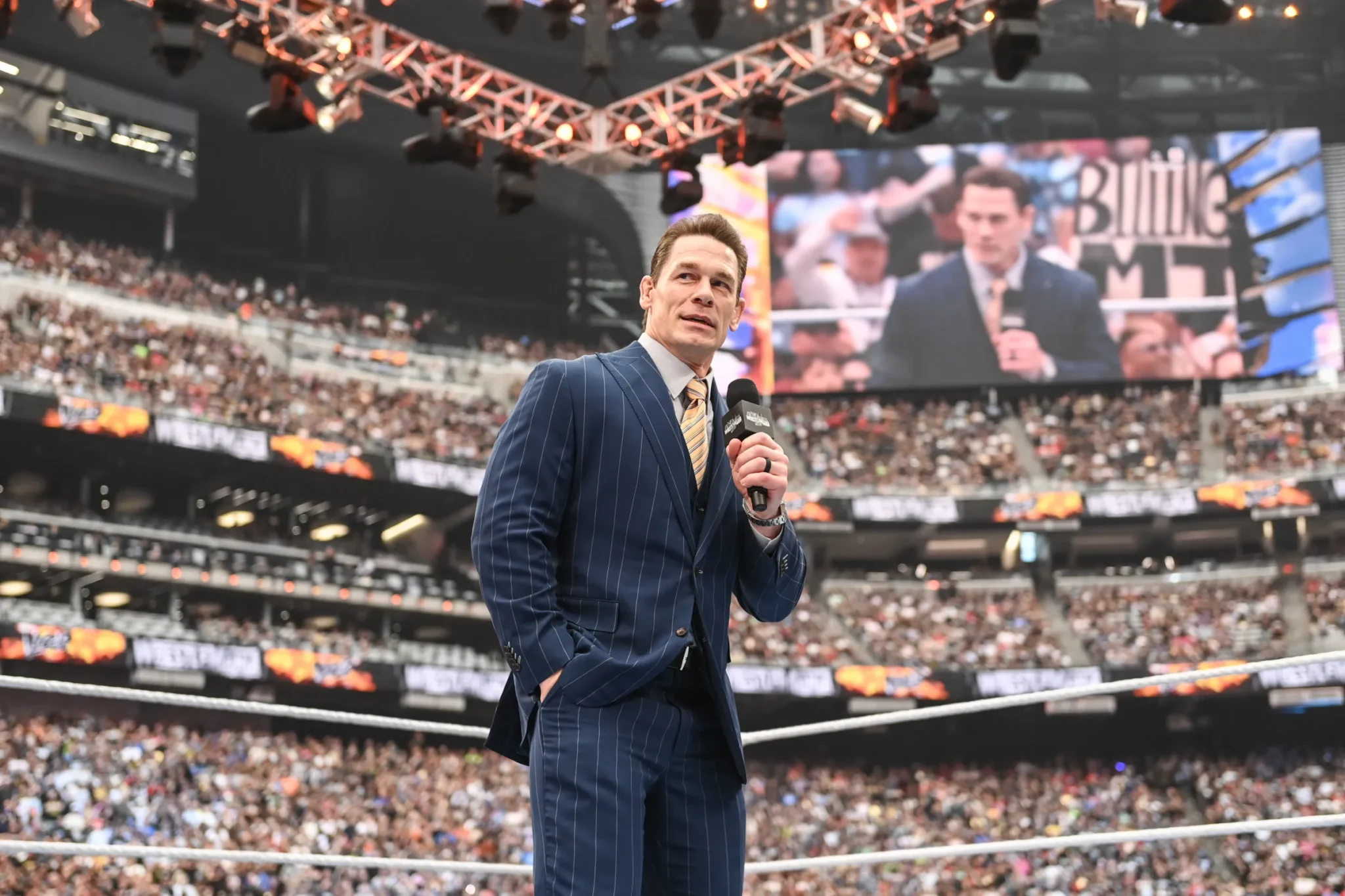
Key Points
1
Cena’s heel turn began at Elimination Chamber 2025, when he attacked Cody Rhodes and aligned himself with The Rock, before defeating Rhodes for the WWE Championship at WrestleMania 41.
2
In explaining the heel persona, Cena said he was in a “toxic relationship with the fans,” framing the turn as a rejection of the audience’s expectations.
3
Cena said he had once believed his WrestleMania 36 cinematic Firefly Funhouse match against Bray Wyatt would be his final WWE match. He described the bout as a “meta journey” in which he confronted his demons and let go.
4
Paul Levesque said the alternative to the heel turn was a safer retirement tour built around a year of Cena’s greatest hits; he proposed pulling “the lever nobody had ever pulled” instead.
John Cena says his controversial 2025 WWE heel turn succeeded commercially but fell short creatively, according to PWMania. The veteran wrestler defended the divisive storyline—proposed by WWE Chief Content Officer Paul Levesque—as a bold risk that drew strong attendance and viewership, though some fans wanted a more convincing villain performance.
Cena acknowledged the run was shortened and he returned to his traditional babyface role sooner than planned, per PWTorch. Limited time made it impossible to develop the heel persona deeply enough for audiences to desire his decisive defeat, he explained. Still, Cena said he would not change the decision and now encourages younger wrestlers to take creative risks without fearing failure.
How Cena's Heel Turn Unfolded at WWE's Peak Events
Cena's transformation began at Elimination Chamber 2025, when he attacked Cody Rhodes and aligned with The Rock, according to eWrestlingNews. He captured the WWE Championship by defeating Rhodes at WrestleMania 41. The turn marked a sharp departure from Cena's thirty-year babyface legacy and tested whether audiences could accept the hero as a villain.
Cena described the heel persona as emerging from a "toxic relationship with the fans," framing it as a rejection of audience expectations, per BodySlam. The storyline's polarizing nature generated debate among long-time viewers about whether Cena could convincingly play against type in his final year.
Triple H's Creative Gamble: Risk Over Safe Farewell
Paul Levesque pitched the heel turn as an alternative to a safer retirement tour, according to PWTorch. Rather than celebrate Cena's greatest hits over twelve months, Levesque proposed "pulling the lever nobody had ever pulled"—a high-stakes creative experiment. Cena accepted immediately because he wanted to take a genuine risk during his final run.
Levesque's pitch resonated with Cena's competitive nature. Instead of coasting through a victory lap, Cena chose uncertainty and the possibility of failure. The decision aligned with his evolving philosophy that wrestlers should embrace bold choices without fearing negative outcomes.
Why the Final Match Against GUNTHER Ended in Surrender
Cena tapped out to GUNTHER in his retirement match—a controversial finish given his "Never Give Up" catchphrase, per eWrestlingNews. The submission loss contradicted his signature messaging and disappointed fans expecting a traditional babyface victory in his farewell bout.
Despite accepting criticism of the ending, Cena said he would not reverse the decision, according to PWMania. The tap-out symbolized his willingness to lose decisively and accept defeat—a thematic conclusion to his heel run. Cena framed the controversial finish as part of the broader creative experiment rather than a mistake to undo.
The Firefly Funhouse Match That Nearly Ended His Career
Cena once believed his WrestleMania 36 match against Bray Wyatt would be his final WWE appearance, per PWMania. The cinematic bout was a "meta journey" in which Cena confronted his demons and symbolically let go of his legacy. That match reshaped how Cena viewed his career arc and prepared him for eventual retirement.
Sentiment
Mostly NegativeNEGATIVENEUTRALPOSITIVE
Publishers
21
Articles
7
Reach
28
A
AnonymousAuthor


