Permanent Festival Pill Testing
New South Wales makes pill testing permanent at major music festivals following successful trial.
Anonymous
Key Points
1
During the trial, 8.1% of drugs handed over for testing contained unexpected substances; among users who changed behavior after results, 30% threw away the sample, 37.5% used less, and 7.5% would not use the substance.
2
The evaluation showed a reduction in drug-related hospital presentations, from an average of 3.6 per festival day historically to 2.3 per day during the trial.
3
Several festivals reported zero drug-related presentations during the trial, including Hyperdome, Yours & Owls, Laneway and Mighty Hoopla, indicating strong variation across event types.
4
The trial ran from March 2025 to February 2026 across 12 festivals, with about 1,800 participants and nearly 1,500 samples tested; an independent evaluation was led by the University of Sydney.
5
On-site testing will involve chemists from the NSW Health Pathology Forensic & Analytical Science Service, with qualified NUAA peer workers explaining results and offering harm-reduction advice.
New South Wales will make pill testing permanent at up to 15 music festivals each year starting October, after a successful one-year trial cut drug-related hospital visits by nearly 40%. SBS reported the program, funded at $4.3 million over four years, will be run by NSW Health with free, anonymous on-site testing of drug samples.
The trial tested nearly 1,500 samples from about 1,800 participants across 12 festivals between March 2025 and February 2026. Drug-related hospital presentations fell from an average of 3.6 per festival day to 2.3 per day. Officials stress the service is not an endorsement of drug use, but rather a tool to reduce harm and save lives.
Trial Showed Concrete Results on Hospital Visits
The independent evaluation, led by the University of Sydney, found drug-related hospital presentations dropped significantly during the trial period. Some festivals reported zero drug-related hospital visits, including Hyperdome, Yours & Owls, Laneway, and Mighty Hoopla. The 39% reduction across all trial sites signals pill testing can work when paired with health support and peer workers on-site.
Most Drug Users Changed Behavior After Testing Results
During the trial, 8.1% of drugs tested contained unexpected substances — meaning nearly one in 12 samples held something different than users thought. Among people who changed their behavior after learning results, 30% threw away the sample entirely, 37.5% used less, and 7.5% refused to use it at all. News.com.au noted these findings show pill testing influences safer choices.
How the Permanent Program Will Work at Festivals
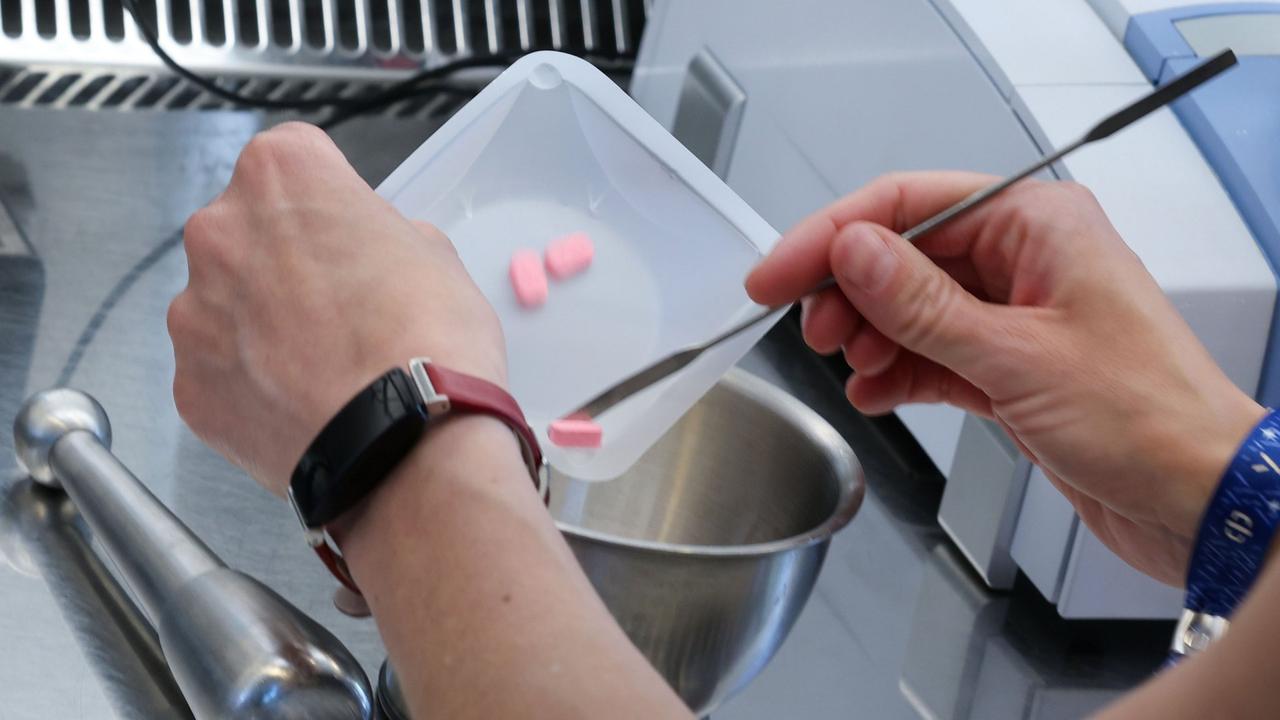
Chemists from NSW Health Pathology Forensic & Analytical Science Service will test small drug samples on-site at up to 15 festivals per year. Qualified peer workers from NUAA will explain results and offer harm-reduction advice. Festivals will also provide amnesty bins so people can safely dispose of substances without legal consequences.
The program targets venues with higher potential for drug harm. Testing is free and anonymous — no names recorded, no police involvement. Au.headtopics.com reported officials emphasize this is just one tool, not a complete solution to drug-related harms at events.
Advocates Welcome Decision After Years of Campaigning
Jennie Ross-King, whose daughter died from an MDMA overdose in 2019, celebrated the permanent program. She and other harm-reduction advocates have pushed for pill testing for years, arguing it gives people crucial information to protect themselves. The Chronicle reported Ross-King said the service helps users "give them tools to make better decisions" about drug use at festivals.
Sentiment
Mostly NegativeNEGATIVENEUTRALPOSITIVE
Publishers
18
Articles
69
Reach
87
A
AnonymousAuthor


