Extending Your Autumn Garden
Joanna Gaines Shows How Sunflowers and Late-Season Blooms Brighten Autumn Gardens
Anonymous
Key Points
1
Sunflower varieties can take anywhere from 50 to 120 days to bloom from seed; the article recommends allowing a few extra weeks before the expected first frost so flowers have time to mature.
2
Gaines’ garden also features Russian sage, described as a wispy purple-and-silver perennial that thrives in intense heat.
3
At Rosemoor, autumn foliage highlights include Liquidambar styraciflua and Acer rubrum ‘October Glory’; the grasses’ mature seedheads also add movement to the garden.
4
Autumn-flowering bulbs can be suited to gardens affected by summer drought because many remain dormant during the dry months. The article notes that autumn crocus can flower even if its corms have not been planted in soil, though planting is needed for it to flower again the following year.
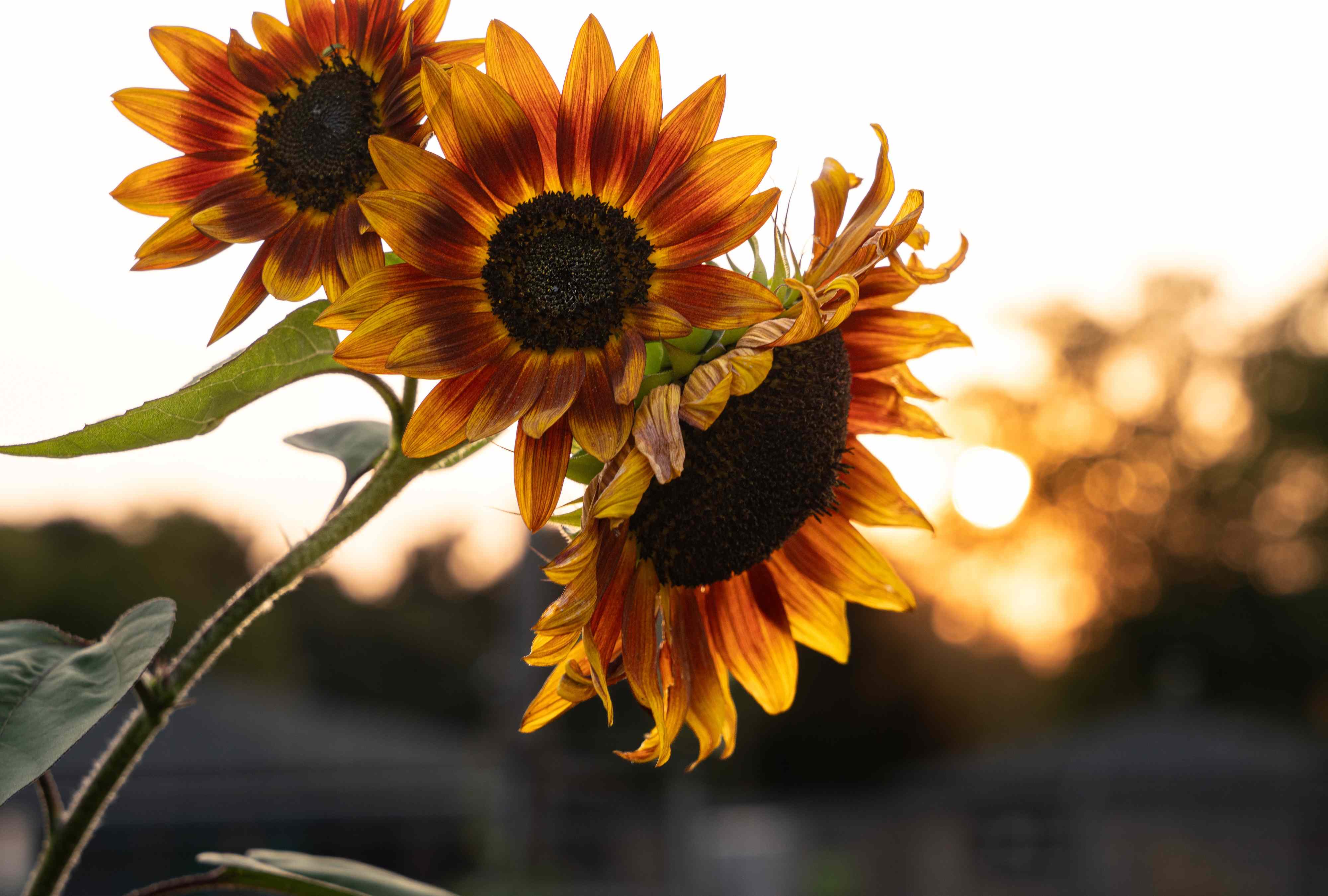
Joanna Gaines is proving sunflowers belong in fall gardens, not just summer ones. Better Homes & Gardens reports her September garden features golden and red sunflower varieties that thrive well into autumn, challenging the common belief that sunflowers are strictly summer annuals.
The key to fall sunflowers is timing. Varieties take 50 to 120 days to bloom from seed, so gardeners should count backward from their first frost date and add a few extra weeks for flowers to fully mature before cold weather arrives.Yahoo Shopping notes Gaines' fall garden is one of her favorite spaces at her homestead, filled with raised beds and trellises.
Choosing the Right Sunflower Variety for Your Climate
Not all sunflowers finish blooming before frost hits. Fast varieties mature in 50 days, while others need 120 days or more. Better Homes & Gardens recommends gardeners in warm regions — where frost comes late — choose slower varieties that will color gardens deep into October or November.
In cooler zones, select quick-maturing types and plant early. The math is simple: subtract bloom days from your first frost date, then plant your seeds weeks earlier to build in safety margins. This ensures you get flower heads, not just leafy stems.
Pairing Sunflowers With Pumpkins and Squash
Gaines grows sunflowers alongside pumpkins and squash in her fall beds. This combination does more than look good — the three plants work together. Their shared root zone helps retain soil moisture and their foliage suppresses weeds, reducing garden maintenance work during autumn.
The dense planting also creates visual interest. Tall sunflower stems frame shorter squash vines, while pumpkins add texture and warm color at ground level. This layered approach transforms a simple fall garden into a dynamic display.
Late-Season Flowers and Foliage for Extended Color
Fall gardens offer more than just one crop. Rudbeckia, asters, and verbena bloom late in the season, providing color and nectar when insects remain active. Seed heads and autumn foliage also add movement and interest to borders and bouquets throughout September and October.
In milder southern climates, autumn-flowering bulbs extend the display further. Autumn crocus and Sternbergia bulbs flower when many gardens peak, adding surprise blooms. These bulbs often stay dormant during dry summers, making them ideal for drought-affected regions.
Adding Texture With Russian Sage and Ornamental Grasses
Russian sage is a wispy purple-and-silver perennial that thrives in intense heat. Better Homes & Gardens notes it performs beautifully in fall gardens alongside sunflowers, adding delicate color and airy texture that contrasts with bold flower heads.
Ornamental grasses with mature seedheads add movement too. Trees like Liquidambar styraciflua and Acer rubrum 'October Glory' turn stunning shades of red and gold. Their colorful foliage combines with dried grass plumes to create the layered, naturalistic look Gaines showcases in her fall beds.
Sentiment
Mostly PositiveNEGATIVENEUTRALPOSITIVE
Publishers
19
Articles
19
Reach
38
A
AnonymousAuthor


