U.S. Measles Crisis
U.S. Measles Cases Hit 35-Year High in 2026, Surpassing All of Last Year
Anonymous
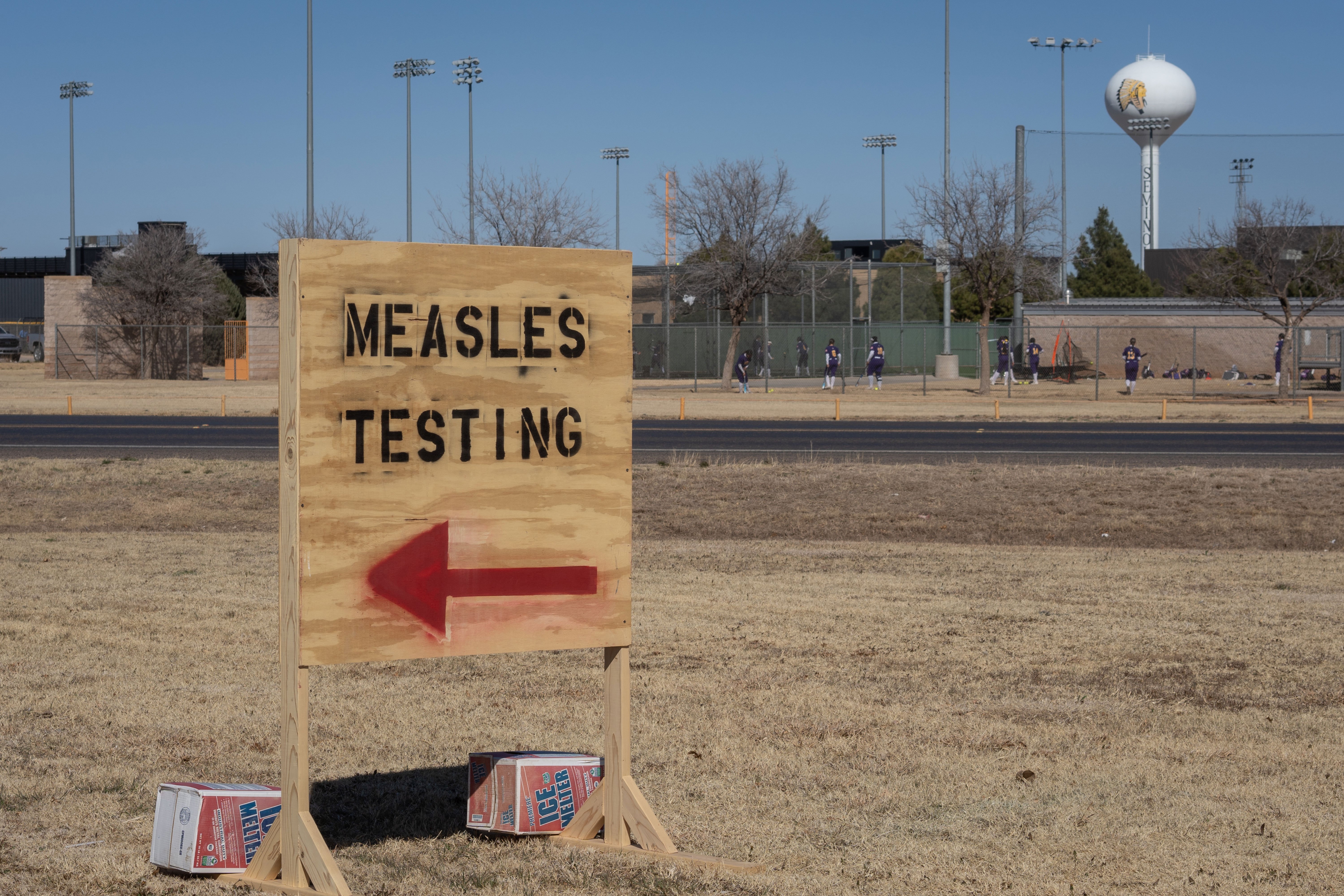
The U.S. has hit a 35-year high for measles cases in 2026, and the year is not even over. The Centers for Disease Control and Prevention has logged 2,318 cases as of Thursday, according to NBC Philadelphia — already topping the 2,289 cases recorded for all of 2025.
With five months still left in 2026, this will almost certainly be the worst year for measles in the U.S. since 1991. Major outbreaks are driving the surge in South Carolina, Utah, and Arizona. Experts warn the true number of cases may be even higher than reported.
How 2026 Became America's Worst Measles Year in Decades
The U.S. recorded 2,289 measles cases in 2025, already the worst tally in over 30 years. Now 2026 has blown past that number before summer ends. The CDC confirmed 2,318 cases as of Thursday, according to NBC New York. Three states — South Carolina, Utah, and Arizona — are at the center of the current wave of outbreaks.
The last time the U.S. saw numbers like this was 1991, when measles was still a common childhood disease before widespread vaccination. The country eliminated measles in 2000. That hard-won status may now be at risk.
U.S. Could Officially Lose Its Measles-Free Status
International health officials are set to meet in November to decide if the U.S. and Mexico have lost their measles-free status, according to NBC Bay Area. A country loses that designation when measles spreads continuously for more than 12 months. The U.S. eliminated measles in 2000 after decades of vaccination efforts.
Losing measles-free status would be a major public health setback. It would signal that the virus is again spreading freely within U.S. borders. Officials say the decision will hinge on outbreak data collected through the rest of the year.
Falling Vaccination Rates Are Fueling the Spread
Experts believe the real case count could be higher than official numbers show. Two key reasons: declining vaccination rates and weaker disease surveillance. Fewer people are getting the MMR vaccine, which protects against measles, mumps, and rubella. When vaccination rates drop below 95%, communities lose what is called herd immunity — the protection that comes from most people being vaccinated.
Disease surveillance has also weakened, meaning some cases may go unreported or undetected. Measles spreads through the air and is one of the most contagious viruses known. A single infected person can spread it to up to 18 others who are not immune, according to NBC Chicago.
What Comes Next as Outbreaks Keep Growing
Health officials are watching the outbreak closely as the number of cases climbs with no clear end in sight. The CDC has not announced any new nationwide emergency measures. But public health advocates are urging parents to check that their children are up to date on MMR vaccinations, especially in outbreak zones in South Carolina, Utah, and Arizona.
The November international review will be a critical moment. If the U.S. loses its measles-free status, it would mark the end of a 25-year public health achievement. Officials say reversing the trend will require faster vaccination efforts and stronger reporting systems across the country, according to NBC Bay Area.
Sentiment
NeutralNEGATIVENEUTRALPOSITIVE
Publishers
6
Articles
5
Reach
6
A
AnonymousAuthor


