US-Japan Currency Talks
US and Japanese Officials Discuss Yen Weakness and Reaffirm Currency Cooperation
Anonymous
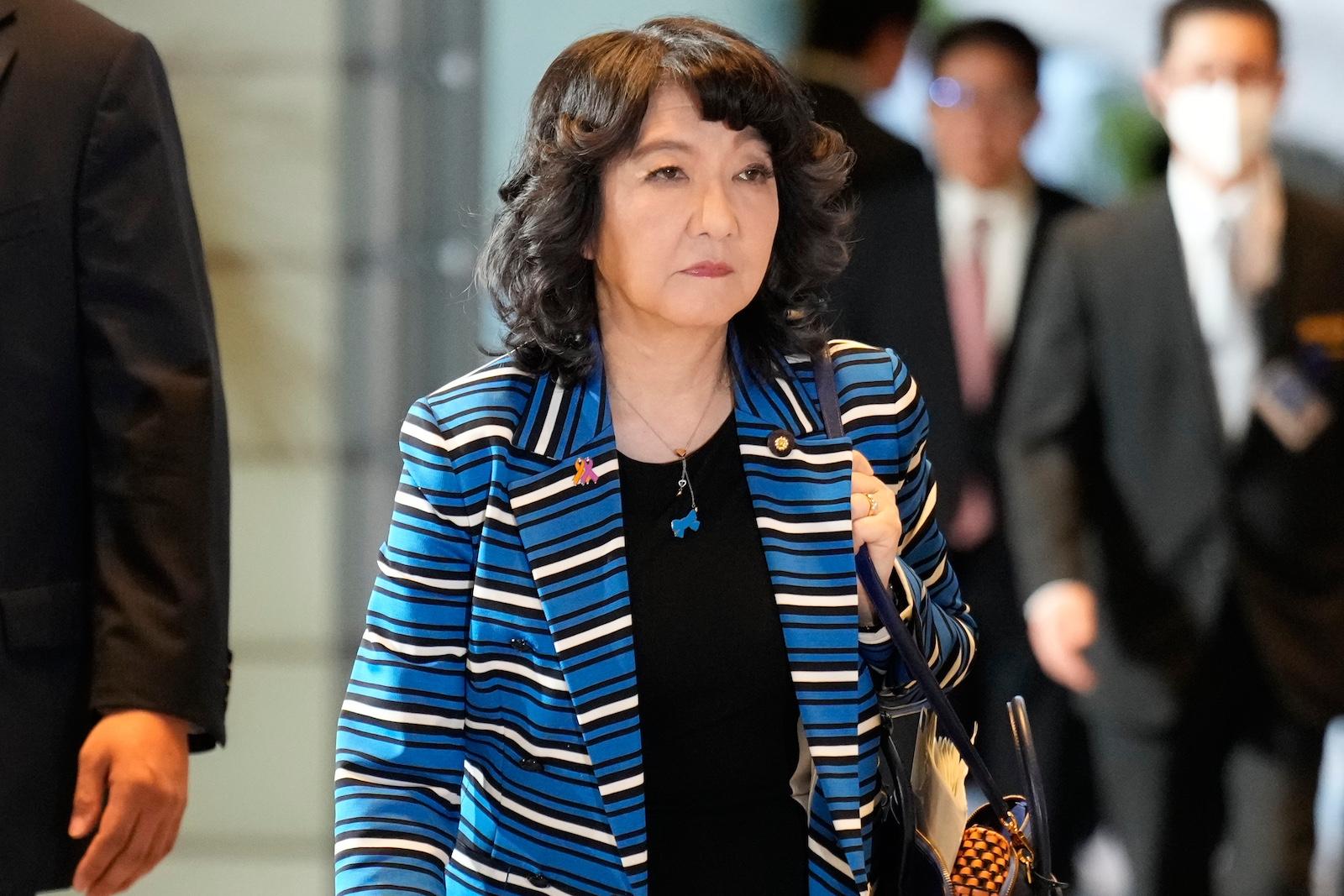
President Donald Trump raised the yen’s weakness with Japanese Prime Minister Sanae Takaichi, who told him an undervalued currency was problematic, according to Finance Minister Satsuki Katayama. Katayama also said she and U.S. Treasury Secretary Scott Bessent discussed currency movements and agreed that yen undervaluation was a concern, while reaffirming cooperation; Bessent has urged Tokyo to support the currency amid inflation and bond-market concerns. The yen has remained under pressure despite substantial Japanese intervention, including a rare coordinated yen-buying operation with the United States. Katayama separately described Takaichi as “not a reflationist,” seeking to reassure investors concerned that expansive spending and pressure for low interest rates could further weaken the currency.
Key Points
1
Japan spent a record 15.4 trillion yen (about $96.5 billion) supporting the currency between July 30 and Aug. 26. The coordinated yen-buying operation on July 31 was the first joint U.S.-Japan intervention to buy yen since 1998.
2
Katayama said she expected excessive yen selling to ease, suggesting a market “misunderstanding” might have contributed to the trend and that it could reverse.
3
Japan’s Minister for Economic Growth Strategy, Minoru Kiuchi, said the country had reached the end of a reflationary regime built on loose fiscal policy, a weak yen and government stimulus, as prices and interest rates gradually rise.
4
At the time of the report, the yen was having its strongest session in more than two weeks, with the dollar-yen pair down 0.4% and nearing 158.
Sentiment
Mostly NegativeNEGATIVENEUTRALPOSITIVE
Publishers
17
Articles
10
Reach
27
Topics
A
AnonymousAuthor


