Diesel Export Ban Ruled Out
Trump Rules Out Diesel Export Ban to Ease Market Concerns Amid Record Prices
Anonymous
Key Points
1
After Trump’s remarks, the market-implied chance of a diesel export ban being announced by the end of October fell to 7%, from 10% earlier.
2
U.S. diesel prices had climbed to about $6.50 a gallon in late September.
3
The debate over an export ban set agriculture interests against the oil industry; Energy Secretary Chris Wright backed the oil industry’s opposition to the ban.
4
The article attributed the surge in diesel prices to wars in the Middle East and Europe.
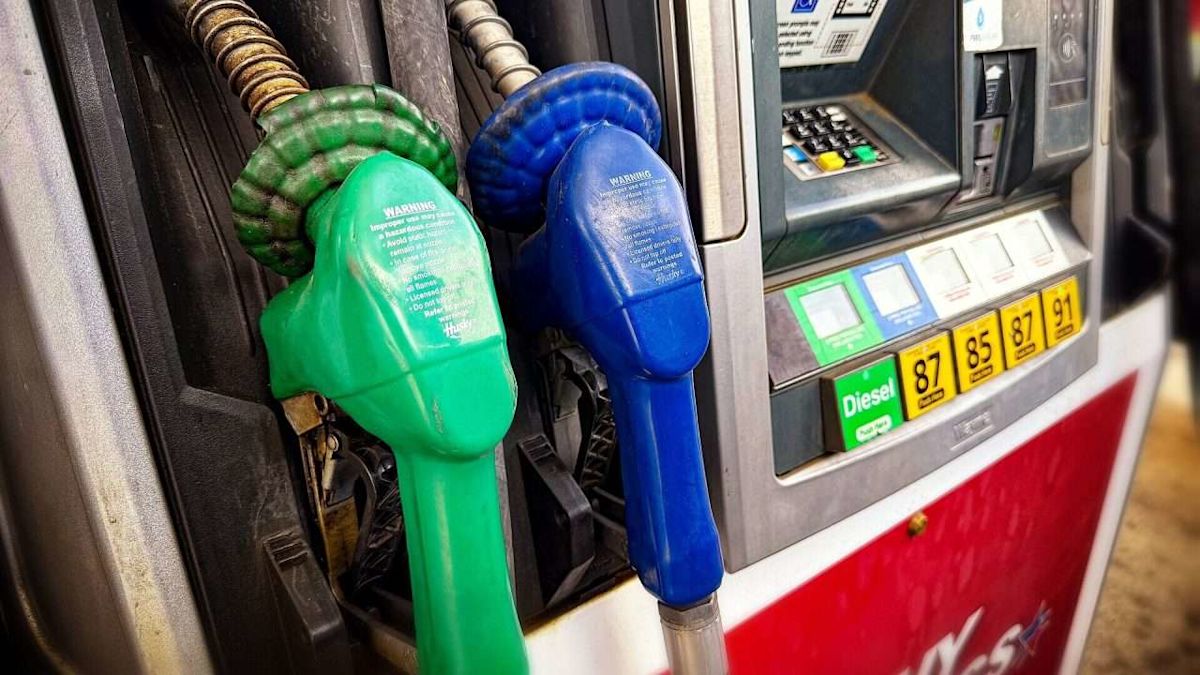
President Trump announced the United States will not ban diesel exports, easing market jitters over fuel supply and prices TASS. The decision came after European countries agreed to release diesel from strategic reserves following pressure from Washington, which had criticized France and Germany for not doing enough The Australian. Oil prices fell more than 4% on the news, and market odds of an export ban by October's end dropped from 10% to 7% Crypto Briefing.
U.S. diesel prices had spiked to roughly $6.50 per gallon in late September, driven by conflicts in the Middle East and Europe Yahoo Finance. An export ban would have pitted agriculture against the oil industry—but Energy Secretary Chris Wright sided with oil executives who warned a ban would disrupt global supplies and worsen prices Crypto Briefing.
Why Diesel Prices Hit Record Highs
Diesel costs climbed sharply in late summer as wars disrupted supplies in the Middle East and Europe Yahoo Finance. The surges created political pressure on Trump ahead of November's midterm elections. Fuel costs remain a top economic concern for voters, pushing the White House to explore quick fixes.
An export ban appeared like one possible solution. But oil-industry leaders and White House energy advisers warned it would backfire Crypto Briefing. Pulling diesel off the export market would tighten global supplies and ultimately lift U.S. prices higher, they argued.
Europe's Strategic Reserve Release Breaks the Deadlock
Trump's team had pushed European allies to tap their emergency diesel stockpiles Greenville Post. Washington grew frustrated with France and Germany for holding back, viewing them as unwilling to help stabilize global markets. The pressure worked—European nations agreed to release significant volumes from reserves TASS.
The reserve release signaled supply relief without triggering the economic harm of an export ban. Oil futures dropped more than 4% on the announcement TASS. By framing the decision around European cooperation, Trump avoided conflict with domestic oil producers while still claiming a win on energy costs.
Farm Belt vs. Oil Industry—Energy Secretary Picks a Side
An export ban would have hurt oil refineries and energy companies but potentially helped farmers by lowering diesel fuel costs for equipment Yahoo Finance. Energy Secretary Chris Wright, a former oil executive, sided firmly with the industry. His opposition helped block the ban and pushed the White House toward diplomatic solutions instead.
The market responded swiftly. Betting odds on a diesel ban dropped sharply after Trump's comments Crypto Briefing. Investors now see other policy measures—tariffs, reserve releases, supply agreements—as more likely tools to manage fuel prices through election day.
What Comes Next for U.S. Diesel Policy
Though Trump ruled out an export ban, officials said they could still pursue other measures to address fuel costs TASS. Possible moves include negotiating more reserve releases, coordinating with allies on production, or targeting specific trading partners. Fuel prices remain a top political issue heading into the midterms.
The announcement reflects a broader shift toward coalition-building over unilateral action. By securing European reserve releases, Trump claimed victory on lower energy costs without alienating the domestic oil industry. It's a delicate balance that markets appeared to reward with falling prices.
Sentiment
Mostly NegativeNEGATIVENEUTRALPOSITIVE
Publishers
22
Articles
116
Reach
138
A
AnonymousAuthor


