Paris Prosecutors Probe Smart Glasses Harassment
Paris Prosecutors Probe Smart Glasses Harassment
Anonymous
Key Points
1
Under French law, recording someone in a private setting without consent can carry a penalty of up to one year in prison and a €45,000 fine, although legal experts and CNIL officials say enforcement is complicated by the technology’s discreet nature.
2
Meta has made two privacy-related updates since June: the glasses now stop recording if the camera’s indicator light is blocked.
3
Ines Legendre of the child online-safety group e-Enfance said that activating a recording light does not amount to consent either to being filmed or to having the footage distributed to thousands of people.
4
Meta said it had “built privacy into our AI glasses from the ground up” and would continue strengthening safeguards as the products become more capable.
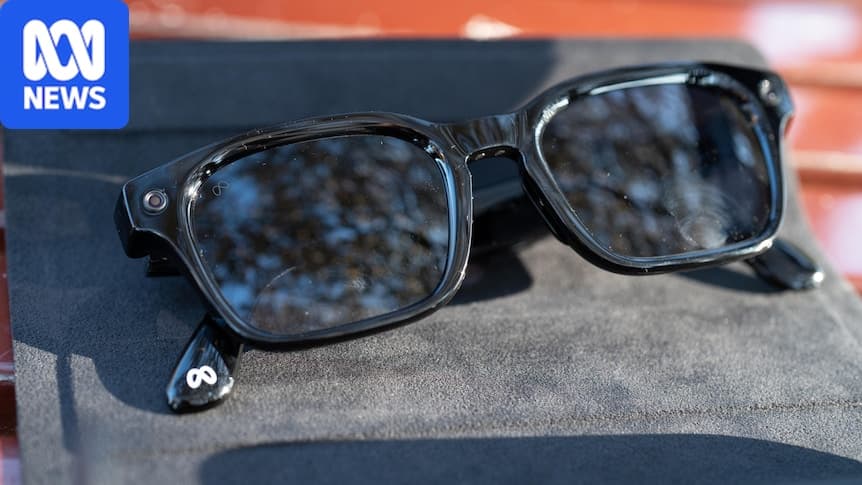
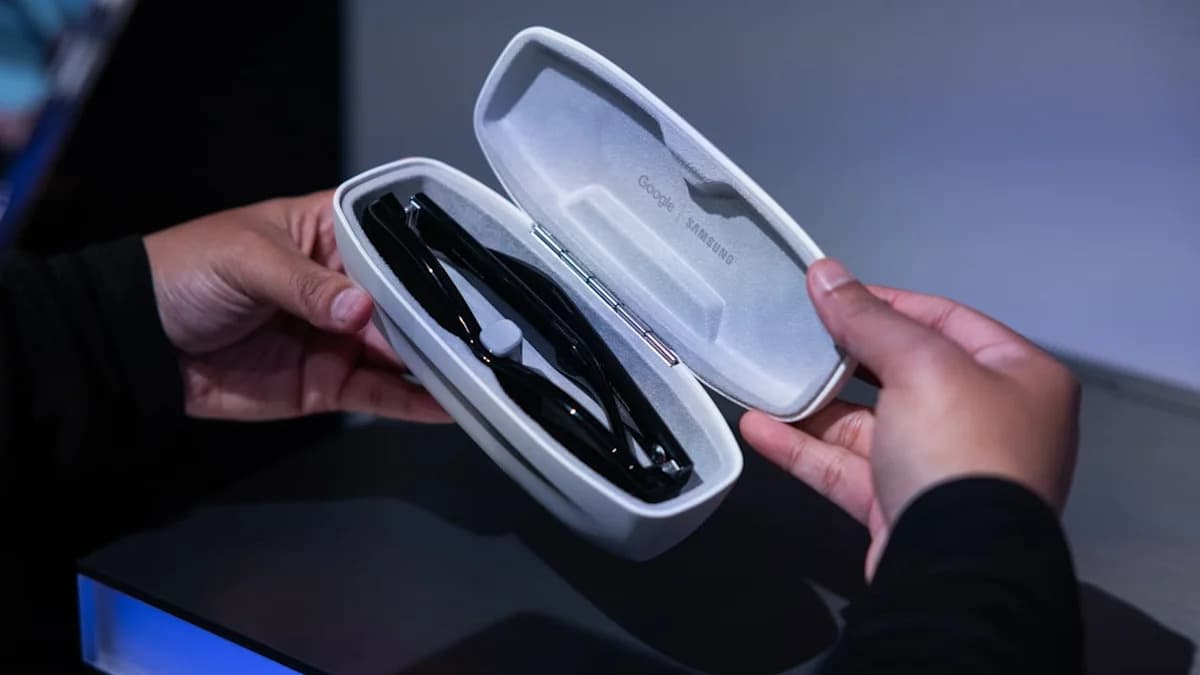
Paris prosecutors are investigating criminal cases of women being filmed without consent through camera-equipped smart glasses, part of a social media trend spreading across France. Reuters reports the prosecutor's cybercrime unit has tested the devices to understand their misuse potential, though officials have not yet identified which brand or disclosed how many complaints they've received.
The crackdown comes as Meta's smart glasses — made with EssilorLuxottica — face mounting scrutiny over privacy risks. France's data protection authority warns that indicator lights alone may not adequately inform people they are being recorded or secure their consent, and has received fewer than 10 workplace complaints alongside numerous questions from employers considering bans.
France's Legal Punishment for Non-Consensual Recording
Under French law, recording someone in a private setting without consent can bring up to one year in prison and a €45,000 fine. However, Reuters notes that legal experts and France's data protection authority (CNIL) say enforcement is complicated by the technology's discreet nature — it's hard to catch and prove the crime happened.
Meta's Privacy Updates Fall Short of Safety Advocates
Since June, Meta has made two privacy-focused changes to its glasses: the devices now stop recording if the camera's indicator light is blocked. But safety advocates say this is not enough. Reuters reports that Ines Legendre of child online-safety group e-Enfance stated that activating a recording light does not amount to consent to being filmed or to footage being shared with thousands of people online.
Meta countered by saying it had "built privacy into our AI glasses from the ground up" and promised to strengthen safeguards as the technology becomes more powerful. Critics, however, argue the company has not addressed the core problem: the glasses are too easy to hide and their recording too difficult to detect.
Global Governments and Businesses Begin Restricting Smart Glasses
France's crackdown is part of a worldwide response to smart glasses concerns. Reuters reports that UK cinemas have banned the devices, a German consumer group filed a criminal complaint, and Australia is considering restrictions in government workplaces. The bans reflect growing alarm that the technology enables surveillance without detection or consent.
Sentiment
Mostly NegativeNEGATIVENEUTRALPOSITIVE
Publishers
24
Articles
116
Reach
140
A
AnonymousAuthor