WestJet Strike Continues
WestJet Flight Attendants Maintain Strike, Rejecting 13% Pay Increase and New Benefits Package
Anonymous
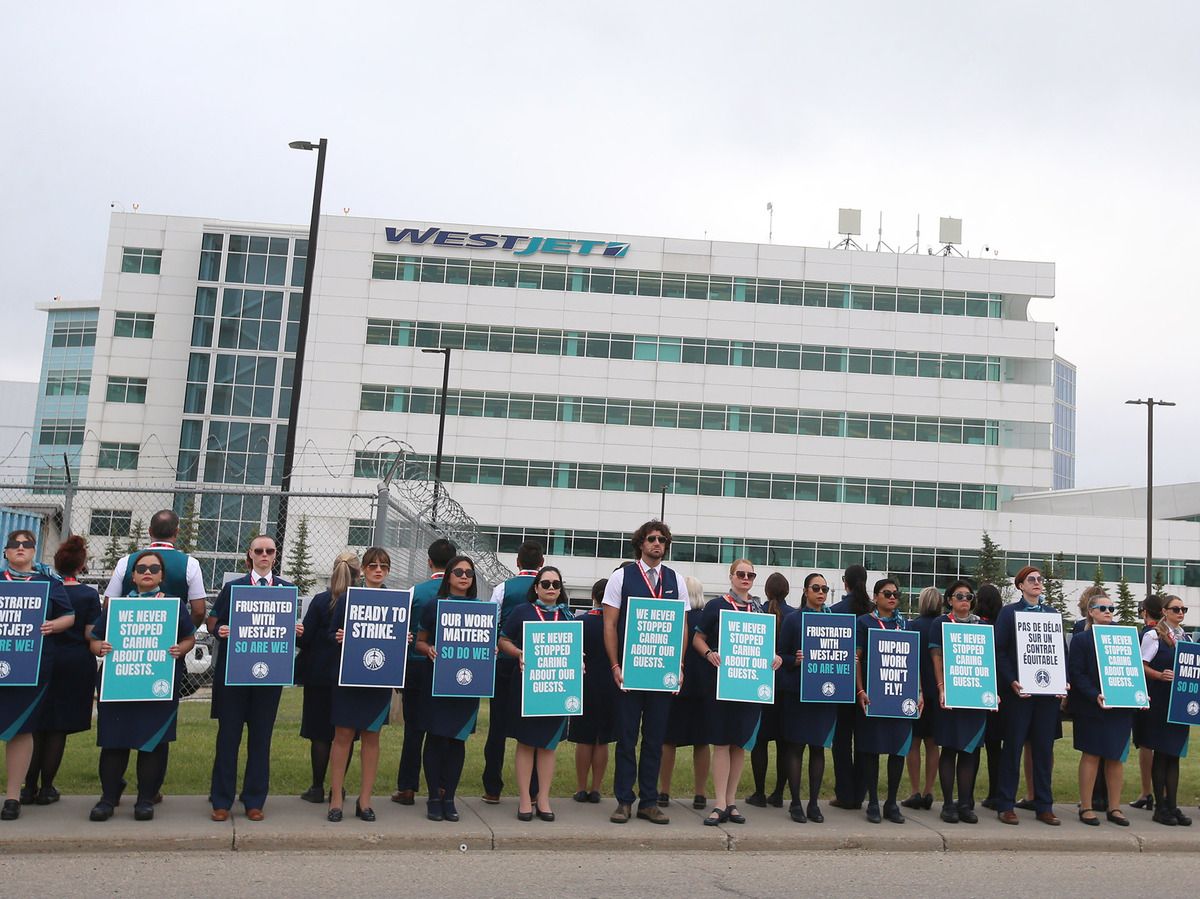
WestJet flight attendants walked off the job after rejecting the airline's latest offer, which included a 13% pay raise and a new "duty pay premium" for pre-flight work. The strike has already cancelled more than 300 flights and forced refunds or rebooking for 250,000 passengers, according to National Post.
The union, CUPE 8125, says the offer does not go far enough. President Alia Hussain urged the federal government to stay out of the dispute and let both sides reach a deal at the table.
What WestJet Put on the Table
WestJet's offer includes a 13% pay increase, effective October 1 and retroactive to January 1, 2026. The airline also proposed 2.5% annual raises through January 2029, according to Cochrane Times Post.
Beyond base pay, the airline added a "duty pay premium" for pre-flight work and a new "duty pay bonus" for all duty hours. That bonus is meant to address union claims that flight attendants do unpaid work. Other perks include a $300 annual healthcare spending account, a 17-week maternity leave top-up, and a flexible part-time program, Chatham Daily News reported.
Union Says Offer Falls Short of Fair Pay
CUPE 8125 president Alia Hussain said the package simply does not meet what flight attendants deserve. The union has long argued that members work significant hours without pay, especially before flights board.
Flight attendants are typically only paid for "flight hours" — time in the air. Work like boarding checks, safety briefings, and pre-flight prep has historically gone uncompensated. The new duty pay premium is designed to fix that, but the union says the rate is still too low, according to Ottawa Citizen.
300 Flights Cancelled, 250,000 Passengers Disrupted
The strike's impact on travellers has been swift and significant. More than 300 flights have been cancelled since the walkout began. WestJet has had to refund or rebook 250,000 guests, Recorder reported.
The timing is painful for summer travellers. WestJet is one of Canada's two major airlines, and a prolonged strike could strain the broader travel network heading into peak season.
Union Warns Ottawa Not to Intervene
Hussain made a pointed appeal to the federal government: stay out of it. Back-to-work legislation or binding arbitration could cut the strike short, but the union wants a negotiated deal, not a forced one, according to National Post.
The federal government has used back-to-work orders in past airline disputes. Whether Ottawa steps in again will depend on how long the disruption lasts and how much pressure builds from affected passengers and the travel industry.
Sentiment
NeutralNEGATIVENEUTRALPOSITIVE
Publishers
7
Articles
6
Reach
7
Topics
A
AnonymousAuthor


