Cellular Enzyme Longevity Study
Direct activation of cellular enzyme AMPK extends lifespan in multiple organism experiments
Anonymous
Key Points
1
Unlike metformin, which can activate AMPK indirectly while affecting other biological pathways, compound 991 binds directly to AMPK, allowing researchers to test the enzyme’s role more specifically.
2
In mice treated with 991 for three weeks, analysis of liver proteins showed changes consistent with AMPK activation; the researchers said longer-term studies are needed to assess effects on lifespan.
3
The fiber article identifies Lactobacillus and Bifidobacterium as bacteria that ferment fiber into short-chain fatty acids, and reports that fiber-related microbiome changes may also improve glucose and lipid metabolism and reduce oxidative stress.
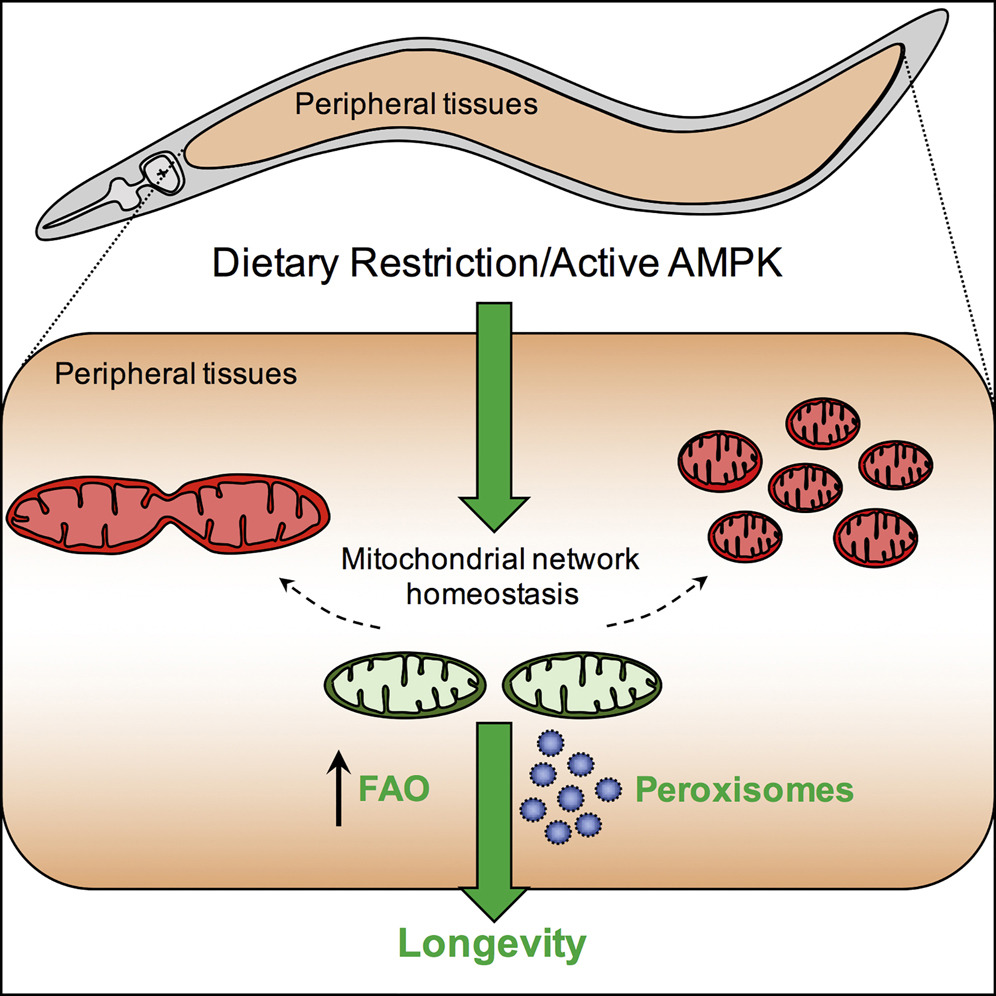
Researchers at Queen Mary University of London discovered that directly activating AMPK, an ancient cellular enzyme, extended lifespan in fruit flies, worms, and fission yeast Times Georgian. The compound 991 worked by binding directly to AMPK, allowing scientists to isolate the enzyme's specific role in aging. However, the same approach did not extend lifespan in mice, and higher doses actually shortened it in some tests, signaling the need for caution before human trials.
How AMPK Activation Works Differently Than Other Drugs
Unlike metformin, a common diabetes drug that indirectly activates AMPK while triggering other biological changes, compound 991 binds directly to the enzyme Keys News. This direct approach lets researchers test whether AMPK alone drives lifespan extension. The specificity matters: it reveals cause and effect rather than mixing multiple effects together.
Lifespan Extended in Simple Organisms, Not Yet in Mammals
The 991 compound successfully lengthened lifespan across three simple organisms: fruit flies, worms, and fission yeast GJ Sentinel. In mice, however, the results were less clear. After three weeks of 991 treatment, liver protein analysis showed signs of AMPK activation KULR8, but lifespan changes were not observed. Higher doses even shortened lifespan in some mouse experiments, raising safety concerns.
Fiber and Gut Bacteria May Support Healthy Aging
A parallel research angle suggests dietary fiber supports aging through gut health. Fiber feeds beneficial bacteria like Lactobacillus and Bifidobacterium, which ferment it into short-chain fatty acids PD Clarion. These compounds strengthen the gut barrier and lower inflammation. The fiber-microbiome link may also improve glucose control, lipid levels, and reduce oxidative stress—three markers tied to chronic disease risk and aging speed.
From Lab Finding to Human Treatment: A Long Road Ahead
The AMPK results represent a potential research target, not a proven human treatment. Researchers say longer-term studies in mice are needed before considering human trials. The gap between simple organisms and mammals shows aging is complex: what works in worms may not work in brains and bodies as intricate as ours. Both AMPK activation and gut-fiber support point toward how cells stay healthy—but translating that into medicine takes time and careful testing.
Sentiment
Mostly PositiveNEGATIVENEUTRALPOSITIVE
Publishers
11
Articles
17
Reach
28
A
AnonymousAuthor


