Grocery Price Shock
Americans Adapt Shopping as Grocery Prices See Biggest Jump in 50 Years
Anonymous
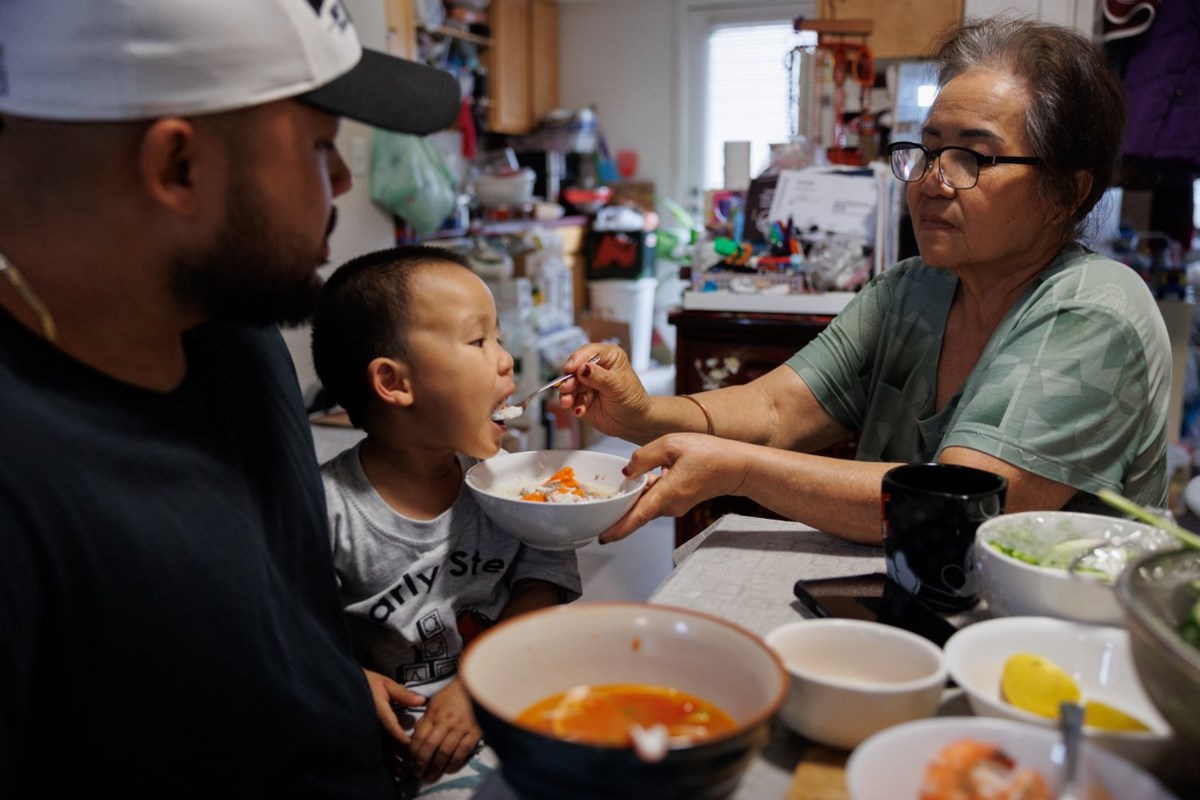
Grocery prices in the United States have jumped 33% since the start of 2019 — the biggest increase in 50 years, according to Beaumont Enterprise. The surge has forced millions of Americans to completely rethink how, where, and what they buy at the supermarket.
The pain is real and measurable. Ground beef now costs $6.82 per pound — 79% more than it did at the start of 2019, according to Ottumwa Courier. With midterm elections approaching, food affordability has become one of the top issues on voters' minds.
How a Half-Century High Is Hitting Shoppers Hard
Filling a refrigerator, freezer, and pantry now costs one-third more than it did three years ago. Bastille Post reports that residents in at least four cities where food inflation has topped the national average are already feeling squeezed. Many say the math simply does not add up like it used to.
Meat has taken the biggest hit. Ground beef at nearly $7 a pound has pushed many families to buy less of it — or skip it entirely. Some shoppers say they now treat meat as a treat, not a staple, according to St. Albert Gazette.
Shoppers Switch Brands and Hunt for Discounts
Store brands — once seen as a lesser choice — are now flying off shelves. Shoppers are swapping name-brand cereals, soups, and snacks for cheaper alternatives. Coupons and weekly sales flyers, long ignored by many, are back in style, according to Beaumont Enterprise.
Skipping nonessentials has become routine. Cookies, chips, and other snack items are among the first things cut from shopping carts. Some families say they now make a list and stick to it — no browsing, no impulse buys — to keep bills under control, Ottumwa Courier reported.
Food Banks Fill Gaps as Budgets Break Down
Not everyone can absorb the higher costs by switching brands or skipping snacks. Some Americans have turned to food banks for the first time. St. Albert Gazette reports that many people say they feel grateful those resources exist — but also embarrassed they need them.
Others are actually buying more food overall, stocking up when prices dip or sales hit. It is a coping strategy built on uncertainty — shoppers trying to get ahead of the next price jump before it arrives, according to Bastille Post.
Grocery Prices Become a Flashpoint in Midterm Elections
With November elections close, politicians on both sides are talking about grocery costs. The 33% price rise since 2019 has made food inflation a kitchen-table issue — literally. Voters say they notice the higher prices every single week, according to 10TV.
Economists warn there is no quick fix. Supply chain problems, high energy costs, and the war in Ukraine have all pushed prices up. Most experts say relief will come slowly — if at all — before Election Day, Ottumwa Courier reported.
Sentiment
NeutralNEGATIVENEUTRALPOSITIVE
Publishers
5
Articles
5
Reach
5
A
AnonymousAuthor


