Brandenburg Substation Attack
Explosive Devices Damage Brandenburg Substation in Latest German Sabotage Attempt
Anonymous
Key Points
1
Investigators found several homemade explosive devices at the Turnow-Preilack Preilack substation. Some of the devices detonated while others failed to go off, and 50Hertz described at least some projectiles as resembling standard New Year fireworks.
2
The attack damaged several power lines at the Preilack substation and caused a brief interruption in service, but all lines were back in operation and the general power supply was not affected.
3
Local press has suggested the Preilack substation has been targeted before, with reports of devices designed to launch explosive payloads and, in January, arson and sabotage against power infrastructure in the region.
4
The operator LEAG described the incident as an attack on the substation that supplies the Jänschwalde plant and noted a potential link to a technical failure at Unit B of the power plant.
5
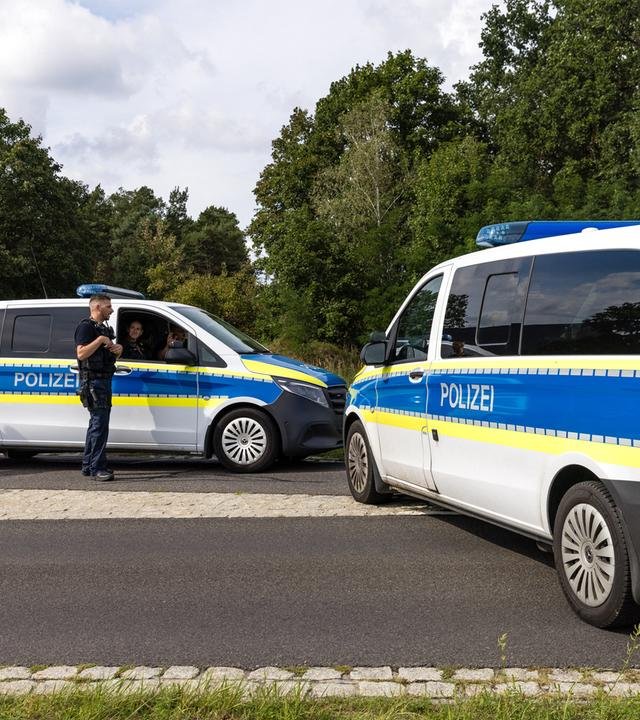
Brandenburg authorities have opened an official investigation, with the state criminal police office leading the inquiry and officials signaling concern about a possible pattern of attacks on critical infrastructure.
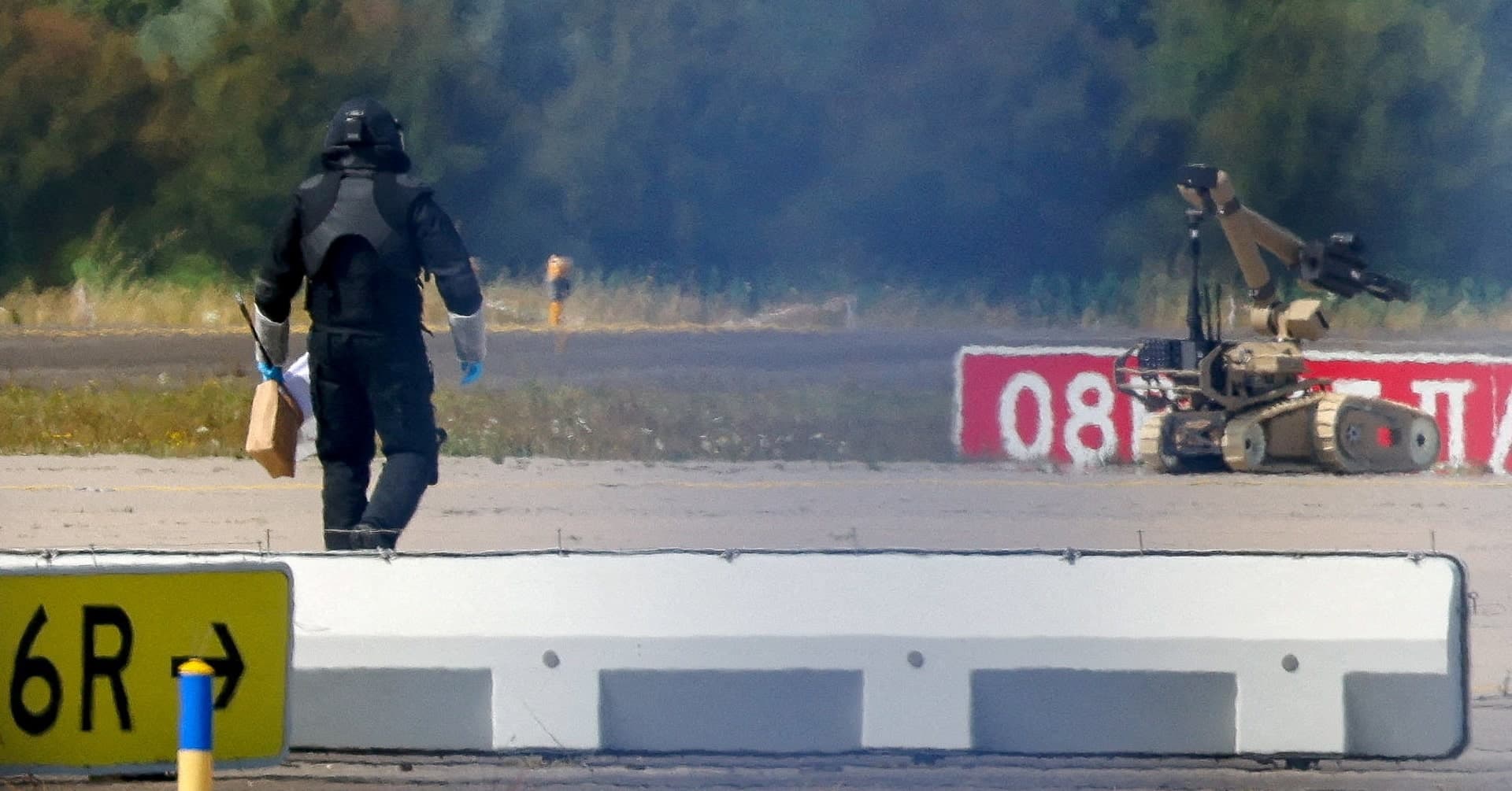
Homemade explosive devices damaged power lines at the Turnow-Preilack substation near Jänschwalde, Germany on September 1, leaving authorities investigating what officials call a sabotage attack. According to Interior Minister Jan Redmann, dozens of improvised rockets loaded with conductive material triggered two short circuits at the facility according to reports. The assault knocked a 500-megawatt power unit offline temporarily, though grid operator 50Hertz restored service within hours with no widespread blackout.
The incident marks the latest in a troubling string of attacks on German energy infrastructure. Brandenburg Premier Dietmar Woidke called it a "trial attack" and warned that saboteurs "will not" intimidate the region. State police opened a specialized task force investigation, examining possible ties to hybrid warfare threats amid rising European security concerns.
Homemade Rockets Target Critical Power Hub
The attack unfolded around 08:00 on September 1 when multiple improvised rockets hit the Turnow-Preilack substation's overhead transmission lines. 50Hertz confirmed the projectiles resembled standard New Year fireworks packed with conductive material designed to trigger electrical shorts. At least some of the double-digit cache of devices detonated; others failed to ignite. The blasts damaged multiple high-voltage lines feeding power from Jänschwlade plant.
The Jänschwalde plant, Germany's fourth-largest power station, supplies 2,000 megawatts to millions of households and district heating to the city of Cottbus. The attack temporarily disabled Block B, a 500 MW generating unit. Grid operator 50Hertz reported that system redundancies kicked in automatically, preventing a region-wide blackout. All damaged lines returned to operation within hours, with no injuries reported and overall power supply remaining stable.
Part of Escalating Sabotage Campaign
This attack fits a disturbing pattern of infrastructure strikes across Germany. In January 2026, far-left extremists claimed responsibility for arson that destroyed a cable bridge in southwest Berlin, cutting power to 45,000 homes and 2,200 businesses. Märkische Allermeine Zeitung reported that the Turnow-Preilack site itself has been targeted before, with January incidents involving arson and earlier sabotage attempts against power lines in the Brandenburg region.
German officials worry the low-tech nature of recent attacks—homemade rockets and pyrotechnics—signals a shift in how hostile actors target critical nodes. Security analysts caution against rushing to blame state actors alone, noting that both Russia-linked hybrid warfare and domestic extremist groups possess the capability to stage such operations. The primitive weapons used suggest multiple threat vectors require investigation.
Officials Sound Alarm on Hybrid Warfare Risks
Premier Dietmar Woidke stated bluntly: "Anyone who tries to sabotage our critical infrastructure and paralyze society is attacking all of us." He framed the incident as a "trial attack" probing Germany's defenses—language echoing official concern about Russian hybrid threats. The attack occurred the same day Germany formally blamed Russian state actors for an August drone attempt near Leipzig airport, deepening fears of coordinated pressure on German energy systems.
Authorities are now pushing for expanded security measures around power substations. Plans include drone detection systems, automated line monitoring, and hardened perimeters at vulnerable facilities. Interior Minister Jan Redmann confirmed the state criminal police office (LKA) opened a specialized investigation with federal security agencies joining the probe. Investigators are examining whether the attack links to the technical failure at Jänschwalde's Block B unit.
Sentiment
Mostly NegativeNEGATIVENEUTRALPOSITIVE
Publishers
28
Articles
43
Reach
71
A
AnonymousAuthor