Venezuela Earthquake Recovery Gaps
Amnesty International Urges Human Rights Focus in Venezuela Earthquake Recovery Efforts
Anonymous
Key Points
1
The June 24 earthquakes measured 7.2 and 7.5 in magnitude. Authorities assessed 60,785 homes, including 11,001 classified as high risk.
2
Amnesty International’s findings were based on interviews with 21 affected people in Caracas and La Guaira conducted between July 23 and August 14, 2026.
3
The governor of La Guaira was the only official source to provide an estimate of missing people, reporting 1,579 missing; authorities said they had withheld official figures to avoid speculation.
4
The health recovery assessment found that 356 health facilities had been evaluated, with 61% still operational, while 16 ASICs—community-based comprehensive health-care areas—had also been assessed.
5
PAHO/WHO reported delivering 46.6 metric tons of medical supplies and medicines to Venezuela, supporting 72 response actors and treatment for 117,714 people through PAHO and partner donations.
Three months after two devastating earthquakes struck northern Venezuela on June 24, relief efforts remain fragmented and incomplete. Amnesty International found that rescue operations were delayed and poorly coordinated, with civilians improvising tools while authorities focused on surveillance rather than aid. Death toll estimates remain disputed—authorities report 6,509 deaths while a regional official cited a much higher count—and transparency about missing people remains absent.
The 7.2 and 7.5 magnitude earthquakes damaged roughly 11,001 homes classified as high risk. Three months later, health facilities remain understaffed, medicine shortages persist, and mental-health needs go largely unmet. A government housing initiative has helped only about 400 people formally apply for loans, exposing gaps in long-term recovery planning.
Rescue Operations Plagued by Poor Coordination
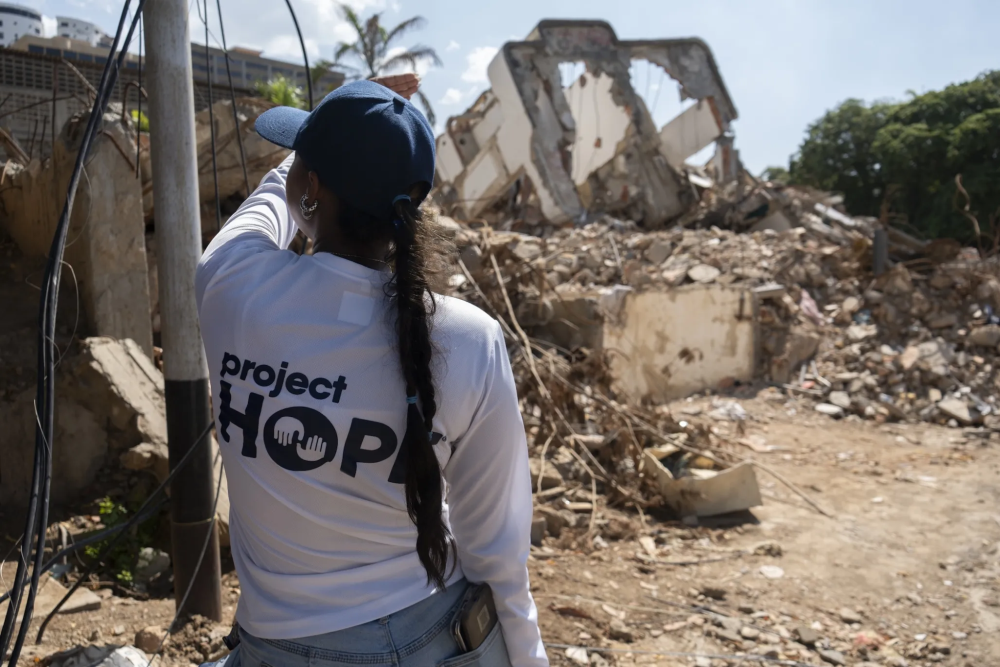
Interviews with 21 affected residents in Caracas and La Guaira revealed that rescue efforts were slow and disorganized. Amnesty International documented how civilians used improvised tools to search for survivors while police, military, and intelligence personnel prioritized territorial control and surveillance. No centralized command structure guided response operations.
Authorities assessed 60,785 homes, identifying 11,001 as structurally unsafe. Yet World Vision reported that three months post-quake, child protection and education gaps remained severe, with displaced families struggling to access basic services. The lack of coordination between civilian responders and government agencies created dangerous delays in aid distribution.
Deaths and Missing Persons Remain Shrouded in Secrecy
Official death tolls remain contested. Authorities reported 6,509 deaths, but the governor of La Guaira—the only official to break ranks—reported 1,579 missing people. Amnesty International criticized this secrecy, saying officials withheld figures "to avoid speculation." Families desperate for answers received no transparency about their loved ones.
The absence of reliable casualty data undermines accountability and prevents proper grieving. Amnesty International urged authorities to prioritize human rights and dignity in recovery efforts, emphasizing that transparency is essential for rebuilding trust and supporting survivors' psychological healing.
Health System Struggles to Serve Survivors
Out of 356 health facilities evaluated, 61% remained operational three months after the quakes. Damaged infrastructure, unreliable electricity, and chronic medicine shortages continue to disrupt care. Community health units called ASICs remain understaffed and unable to meet demand for reproductive health services and mental-health treatment. PAHO and WHO delivered 46.6 metric tons of supplies, but gaps persist.
Mental-health needs have surged among displaced residents, yet specialized personnel remain scarce. World Vision identified ongoing risks to child well-being, education access, and psychological recovery across seven affected states. Housing reconstruction through banks helped only 400 families obtain loans, leaving thousands still without stable shelter or hope of rapid recovery.
Government Response Falls Short of Recovery Needs
Venezuela's housing initiative, backed by public and private banks, has formalized just 400 social loan applications. This covers a fraction of the 11,001 homes classified as high risk. Amnesty International stressed that authorities must center human rights and dignity in all recovery decisions. Without sustained investment and transparent governance, survivors face years of hardship.
World Vision reached 130,321 people, including 38,663 children, with emergency aid through September. Yet unmet needs for education, protection, and psychosocial support remain acute. Sustained international humanitarian support and improved coordination between civilian agencies and government bodies will be critical to preventing a secondary disaster of prolonged displacement and despair.
Sentiment
Mostly NegativeNEGATIVENEUTRALPOSITIVE
Publishers
21
Articles
4
Reach
25
A
AnonymousAuthor


