Un looted Chimú Elite Tomb
Peruvian Archaeologists Uncover Intact Chimú Tomb Containing 38 Burials in Ancient City
Anonymous
Key Points
1
The tomb was protected by a compact mass of stone and fill deposits for more than six centuries, which helped shield it from looters and treasure hunters. It was found within Utzh An, identified as the former Great Chimú Palace.
2
Archaeologist Jorge Meneses Bartra said the discovery is important because previous knowledge of Chimú elite burials largely came from looted platforms, private collections and museum holdings, leaving little scientific information about the individuals and their associations with artifacts.
3
The principal individual’s skull was marked with red pigment, as were some other remains; researchers will analyze the material to determine whether it is cinnabar, a mercury-sulfide mineral.
4
The excavation took place inside Chan Chan, a mud-brick fortress near Trujillo roughly 500 kilometers north of Lima, where members of the Chimú ruling class were often buried on platforms within larger structures.
5
The excavation team first detected a small depression during a shallow investigation four years ago and returned to the platform in May, when they pursued the lead further.
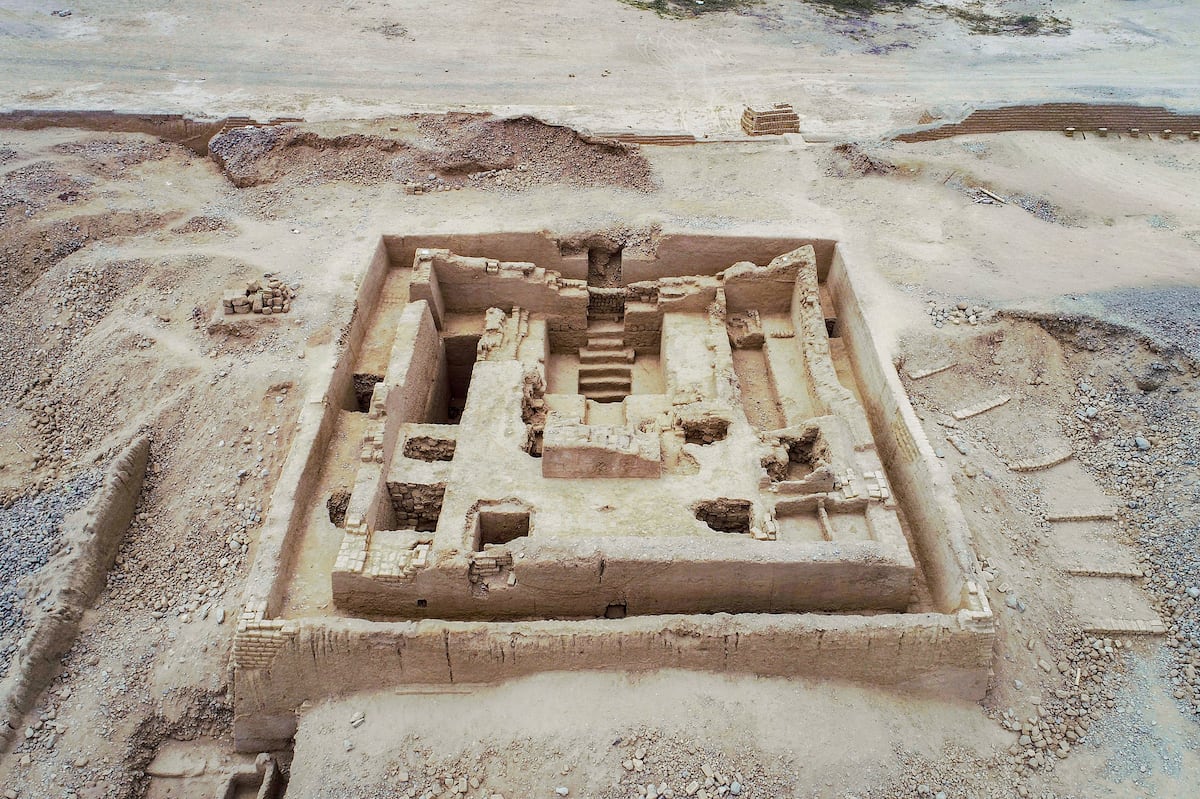
Peruvian archaeologists have uncovered an nearly intact tomb at Chan Chan, the former Chimú kingdom capital near Trujillo, containing the remains of 38 people and hundreds of artifacts. El País reports the mud-brick funerary platform, protected underground for more than 600 years, held metal weapons, copper and gold objects, and about 200 ceramic vessels decorated with red pigment, including a likely elite individual marked with red-pigmented skull remains.
The discovery is especially significant because previous scientific knowledge of Chimú elite burials came largely from looted sites and private collections. Archaeologist Jorge Meneses Bartra said the intact tomb offers rare direct evidence about the society's funerary rituals and how burial individuals related to their grave goods, NBC News reports.
A Hidden Chamber Survives Six Centuries
The roughly 17-meter-wide platform lay protected beneath dense stone and fill deposits that shielded it from looters and treasure hunters for centuries. AllSides notes the tomb was discovered within Utzh An, identified as the former Great Chimú Palace. The excavation team first spotted a small depression during a shallow investigation four years ago, then returned in May to pursue the lead more deeply.
Central Chamber Reveals Three-Part Burial Structure
Inside the platform, archaeologists found a central chamber flanked by two side chambers, a three-part design typical of elite Chimú burial practices. The chambers held 38 individuals arranged with their associated grave goods. News.com.au reports the arrangement included metal weapons, copper ornaments, and gold objects alongside the ceramic vessels, suggesting a carefully orchestrated funerary ritual honoring the deceased.
Red Pigment May Reveal Ritual Significance
Researchers noticed that the skull of the principal individual was marked with red pigment, as were some other remains in the chamber. Scientists plan to analyze the material to determine whether it is cinnabar, a mercury-sulfide mineral historically valued by ancient Andean cultures. This finding could illuminate whether the red pigment held ritual or spiritual meaning in Chimú burial practices.
Why This Discovery Matters for Chimú History
Most previous understanding of Chimú elite burials came from looted platforms and artifacts scattered across private collections and museums, leaving large gaps in scientific knowledge. This intact burial complex provides archaeologists with undisturbed context for understanding the relationships between individuals and objects. NBC News reports the findings could reshape researchers' understanding of Chimú funerary customs and social hierarchy during the kingdom's peak centuries before Spanish conquest.
Sentiment
Mostly NegativeNEGATIVENEUTRALPOSITIVE
Publishers
13
Articles
13
Reach
26
A
AnonymousAuthor


