Apple Fitness Tracker
Apple explores developing a screenless fitness tracker to compete with Whoop by 2028.
Anonymous
Key Points
1
Whoop’s current lineup includes “medical grade” variants with built-in EKG functionality, while its bands are designed for continuous wear and offer more than 14 days of battery life.
2
Apple has already incorporated several features associated with Whoop and other screen-free trackers into the Apple Watch Series 12, including continuous heart-rate tracking, a Health app readiness score and an estimate of biological age.
3
Apple’s heart study comparing the Apple Watch Series 12 with other health wearables also highlighted the capabilities of competing products, including the Whoop 5 fitness tracker.
4
Apple’s health-focused hardware expansion has recently included adding a heart-rate sensor to AirPods, while camera-equipped AirPods Pro models have also been reported as in development.
5
Eddy Cue reportedly assumed responsibility for Apple’s health initiatives late last year, adding organizational weight to the company’s broader push into health-related products and services.
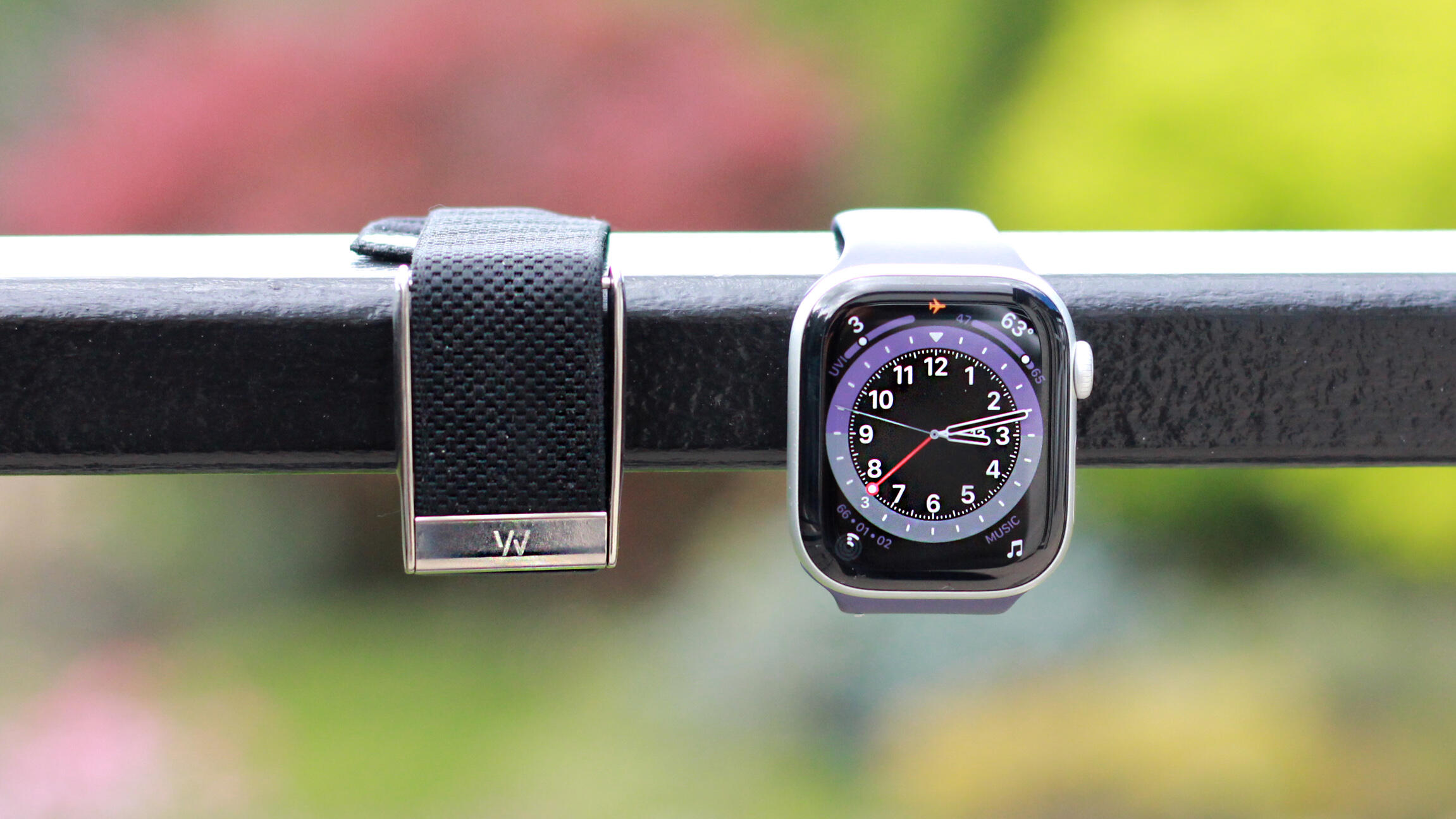
Apple is building a screenless fitness tracker to challenge Whoop and other health-focused wearables, Bloomberg reported on September 22, 2026. The device features a thin fabric band with a sensor-packed computing module designed for continuous health monitoring without apps, notifications, or a display. Senior executives including Tim Cook and Eddy Cue support the project, though Apple has not yet decided to release it. If approved, the tracker may not launch before 2028.
Apple Shifts Health Focus Away from Smartwatches
Apple has historically pushed the Apple Watch as its primary wearable health device. But the market is moving toward simpler, continuous-wear bands that demand less battery life and offer no distractions. CNET and Gizmodo analysts note that screenless trackers appeal to users tired of constant notifications and screen overload. Apple's new prototype reflects this shift by stripping away everything except health sensors.
The company has already copied features from competitors like Whoop into the Apple Watch Series 12, which launched September 18, 2026. These include continuous heart-rate tracking, a Readiness Score, and biological age estimates. Times of India reports Apple is now taking the next step: a dedicated device for users who want health data without smartwatch extras.
Whoop and Oura Set the Market Standard
Whoop, now valued at $10 billion, dominates the screenless fitness tracker space. Business Insider notes that Whoop bands offer over 14 days of battery life and include medical-grade EKG sensors. Oura has sold 3.6 million rings in the past 12 months and generated $1.21 billion in revenue (up 74% year-over-year). Google's Fitbit Air launched at $99, showing aggressive pricing in the category.
These competitors have built loyal user bases by focusing on passive, always-on health monitoring. Basic Tutorials reports Apple's prototype follows the same formula: a lightweight band with sensors embedded in a small computing module, designed to be forgotten once worn. Apple's consumer research shows 52% of users trust Apple Health, far ahead of competitors.
Leadership Reorganization Signals Health Commitment
In late 2025, Apple promoted Eddy Cue to lead the company's health division after longtime Chief Operating Officer Jeff Williams departed. PYMNTS reports this organizational shift added real weight to Apple's health expansion efforts. Cue now oversees all health-related hardware and services, signaling Tim Cook's personal investment in the category.
The timing matters: Apple's core smartwatch upgrades have slowed considerably. A screenless band would sit below the Apple Watch SE in price and complexity, letting Apple capture users who wear luxury watches on one wrist and want pure health tracking on the other. Markets Business Insider suggests this expands Apple's addressable wearable market significantly.
Market Reaction and Timeline Uncertainty
When Bloomberg broke the story in late September 2026, competitor stocks reacted sharply. Garmin shares fell up to 2.5%, while Apple gained roughly 1%. The move signals investor confidence that Apple can disrupt the screenless wearable category. However, Apple's official response remained muted — the company declined to comment to Bloomberg, CNET, and other outlets.
Apple labels the project an internal "technology investigation," meaning commercialization is not guaranteed. The 2028 target date is the earliest possible arrival if Apple decides to proceed. Times of India notes the company may spend the next 18 months refining prototypes and deciding whether the category is worth entering. For now, the project exists in Apple's famous secrecy vault.
Sentiment
Mostly PositiveNEGATIVENEUTRALPOSITIVE
Publishers
30
Articles
54
Reach
84
A
AnonymousAuthor


